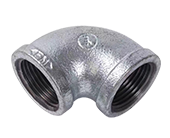
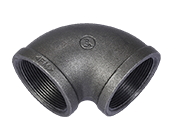
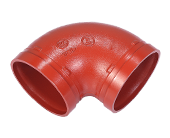
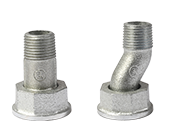
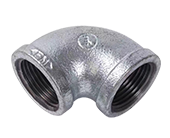
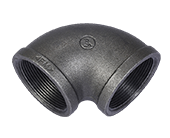
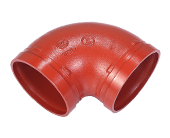
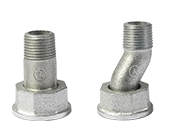
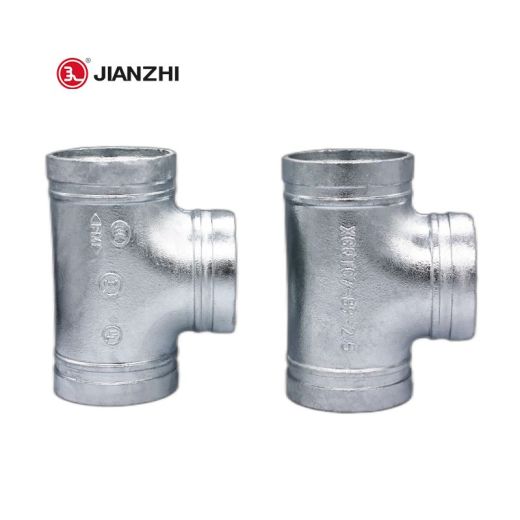
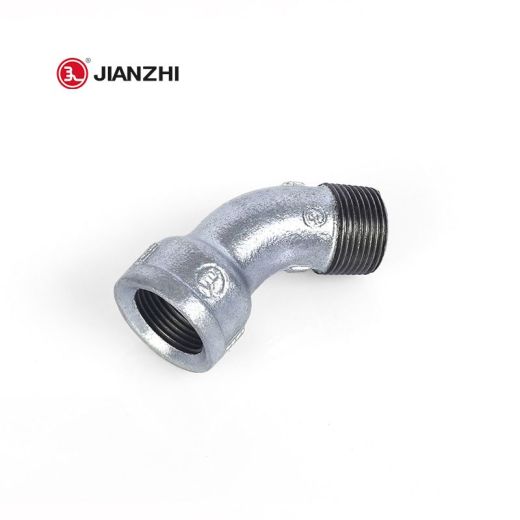
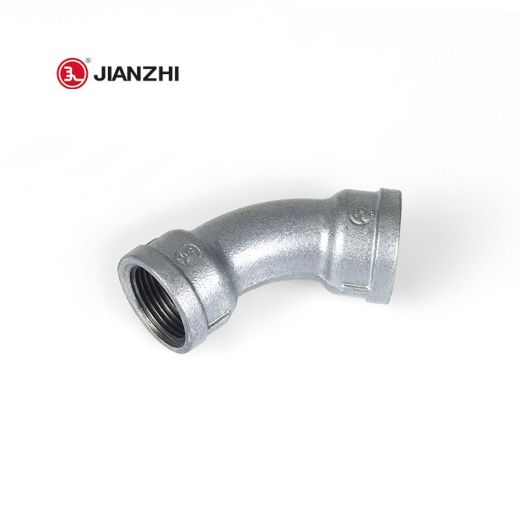
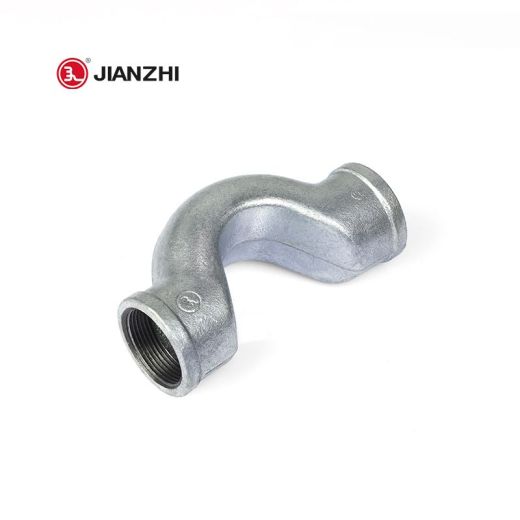
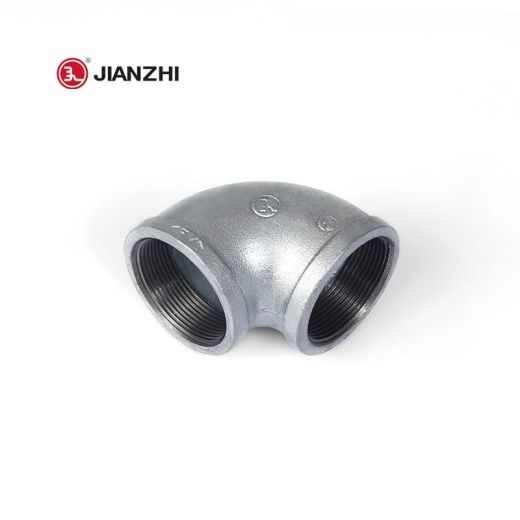
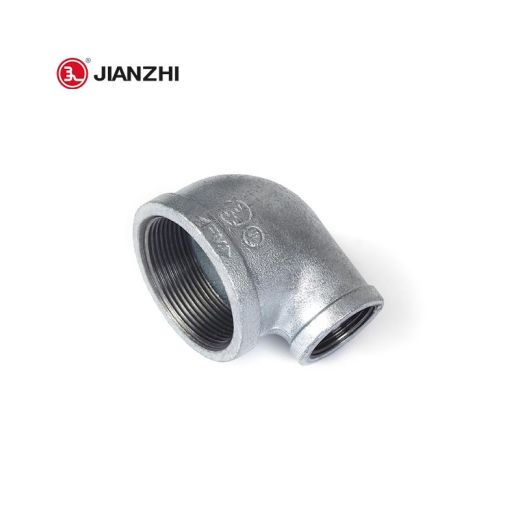
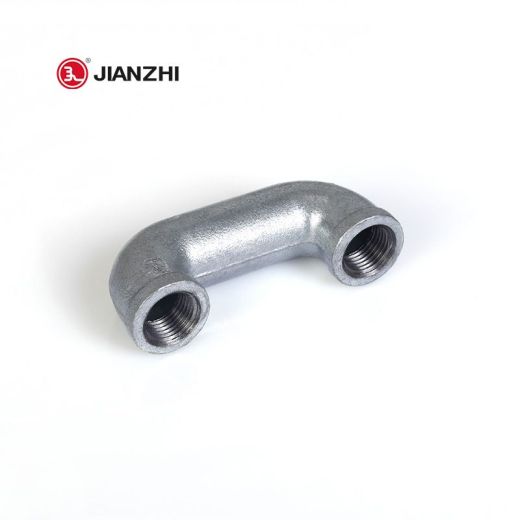
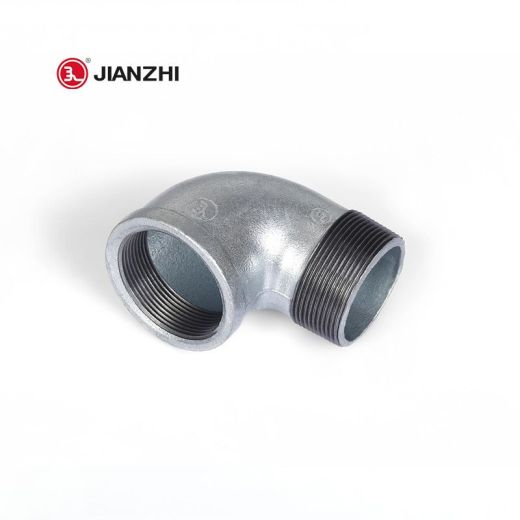
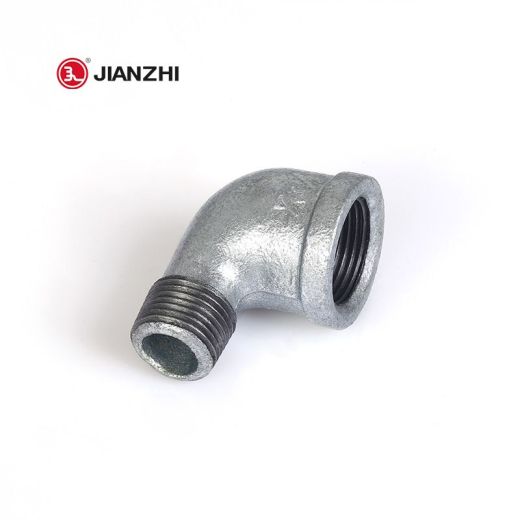
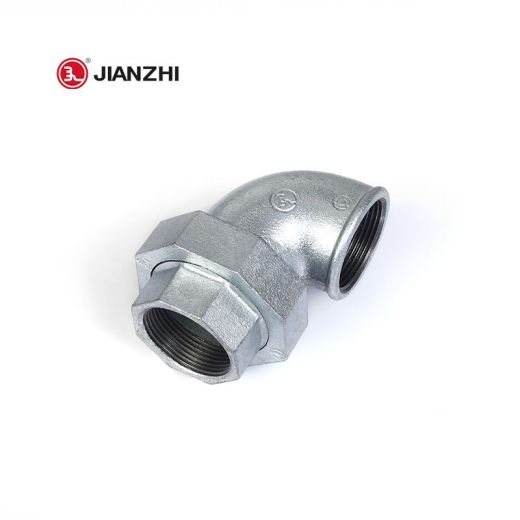
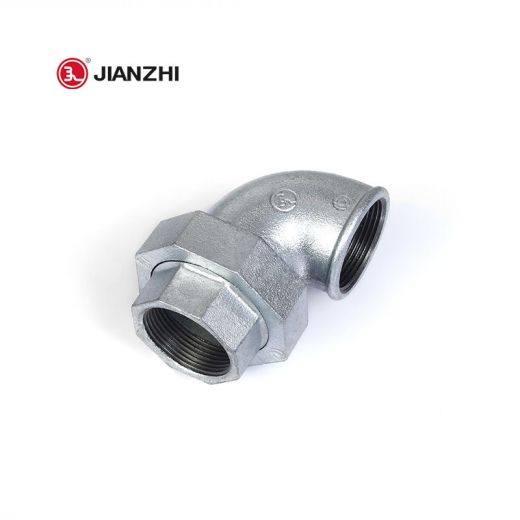
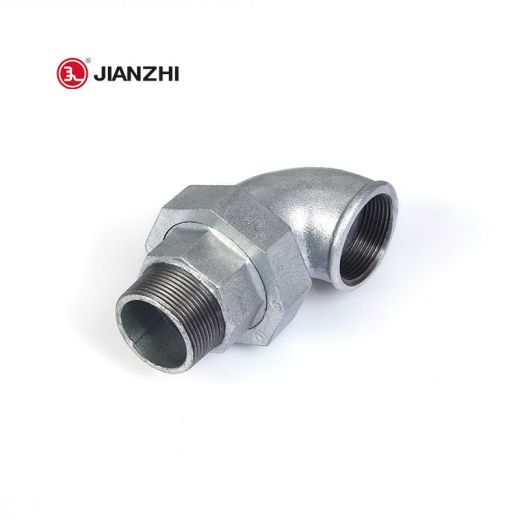
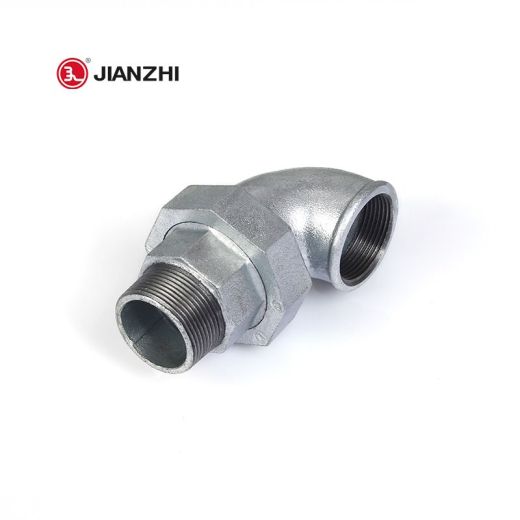
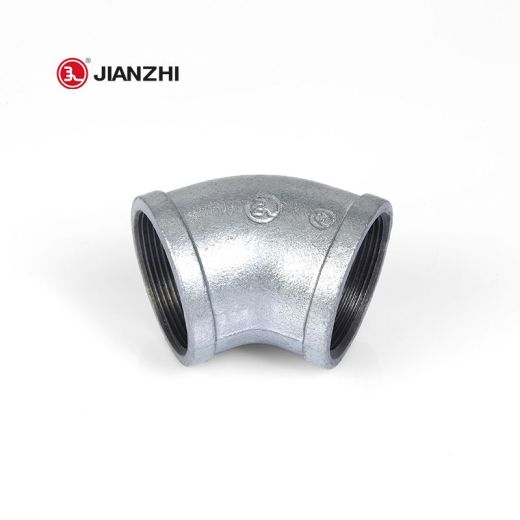
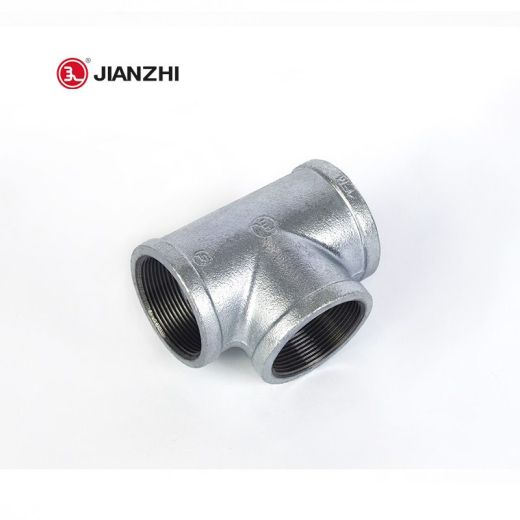
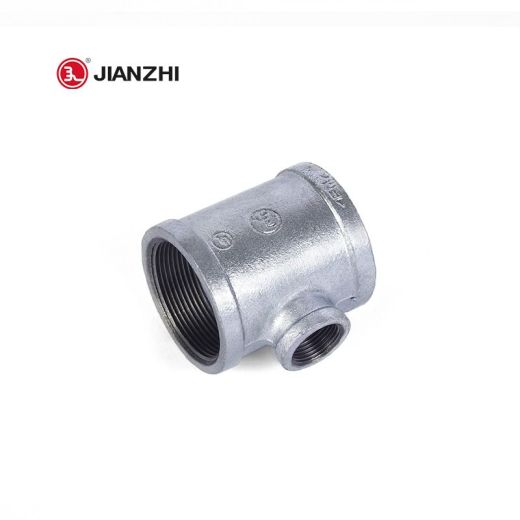
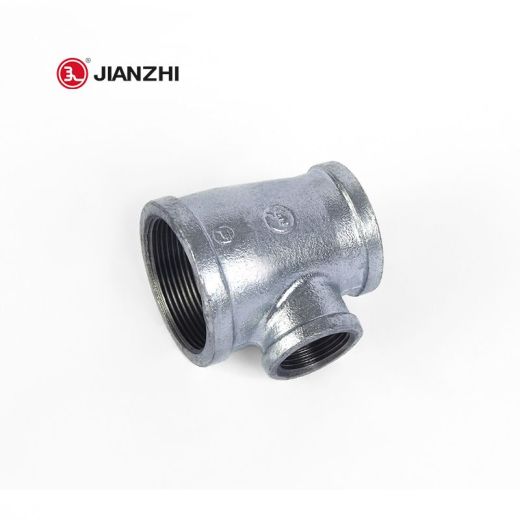
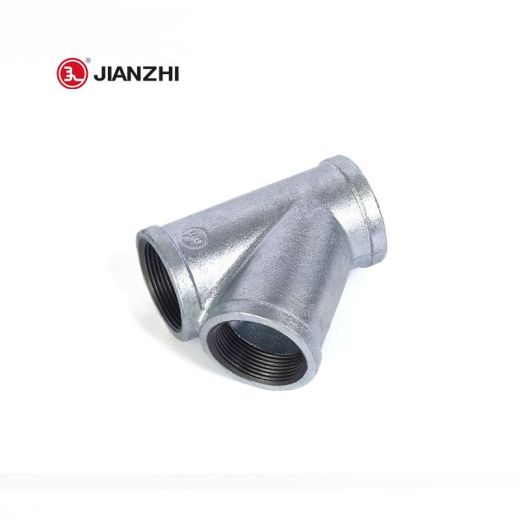
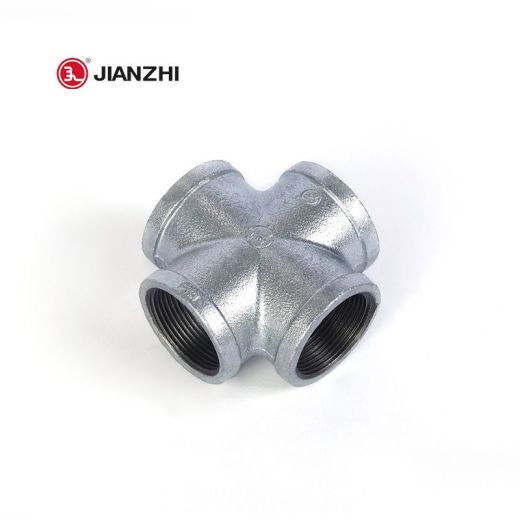
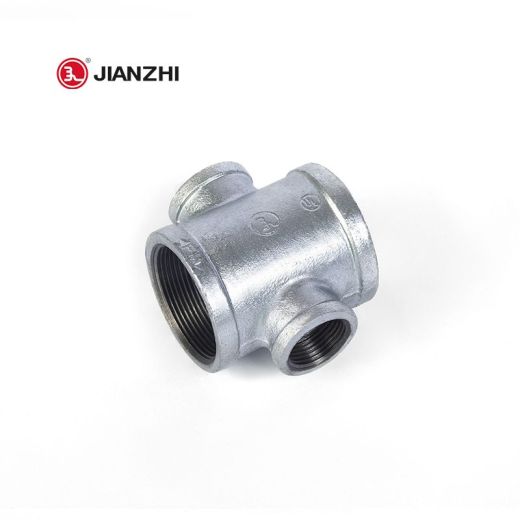
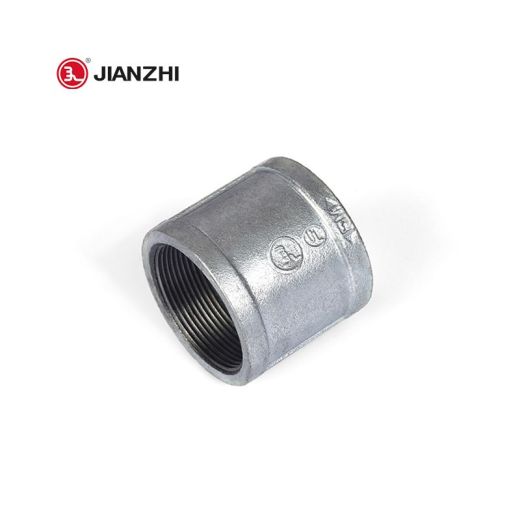
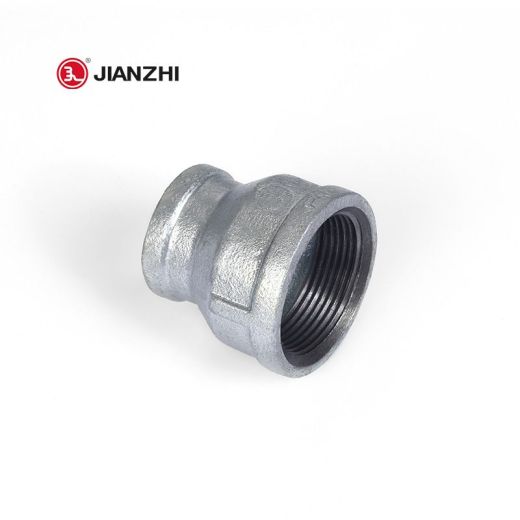
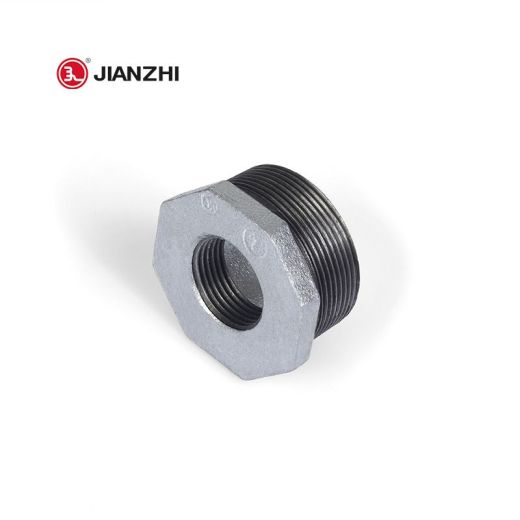
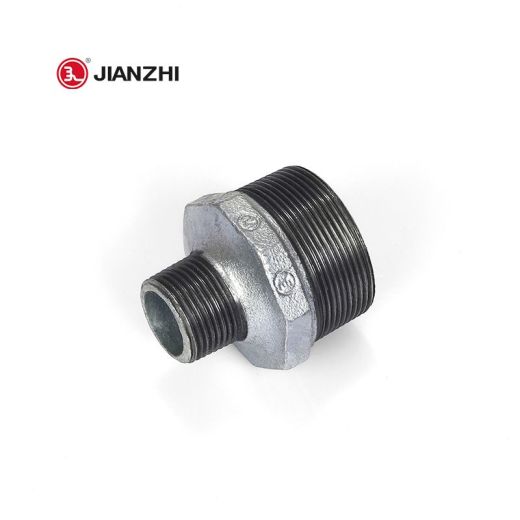
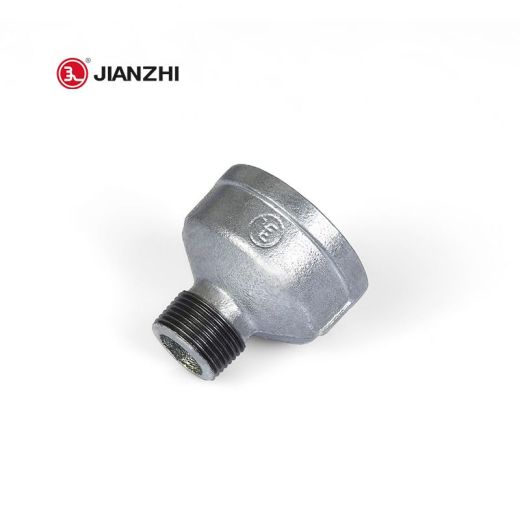
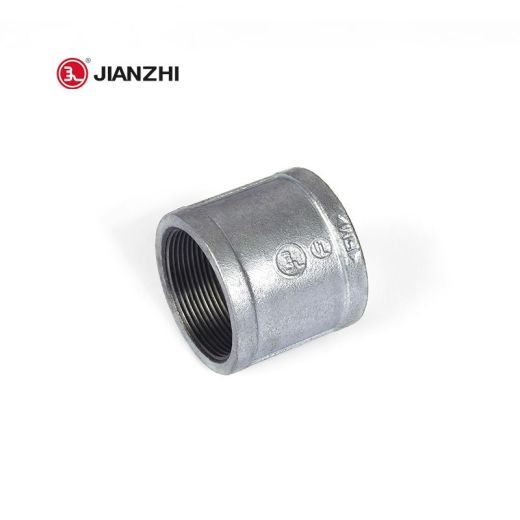
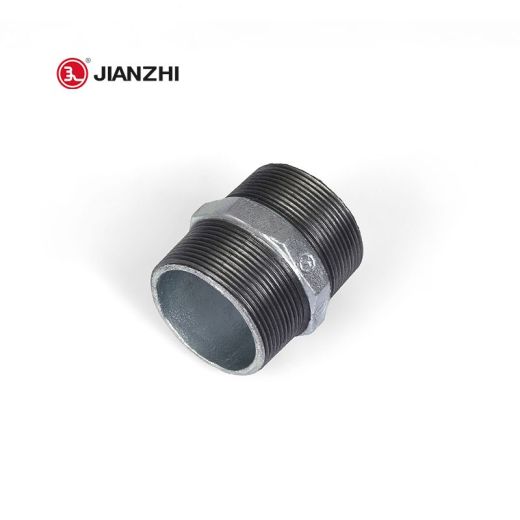
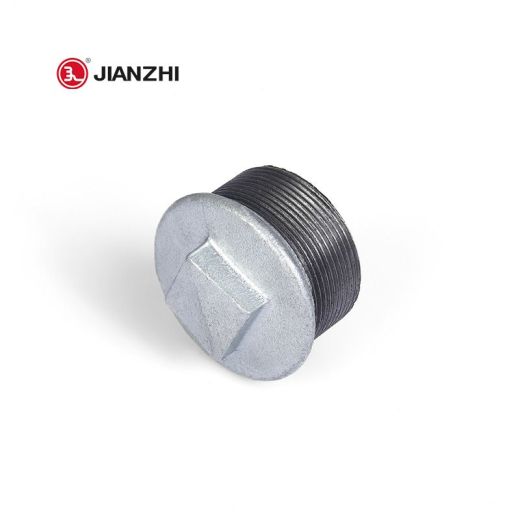
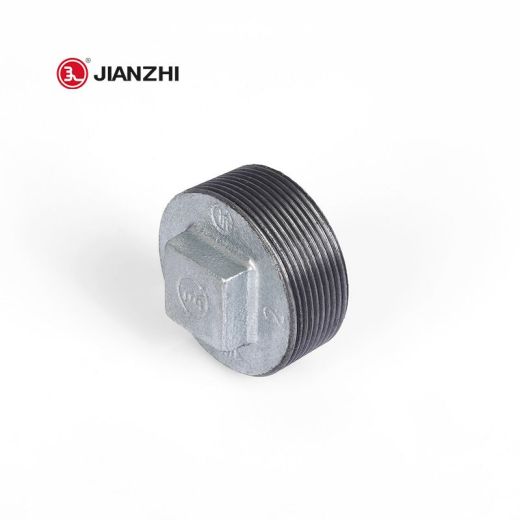
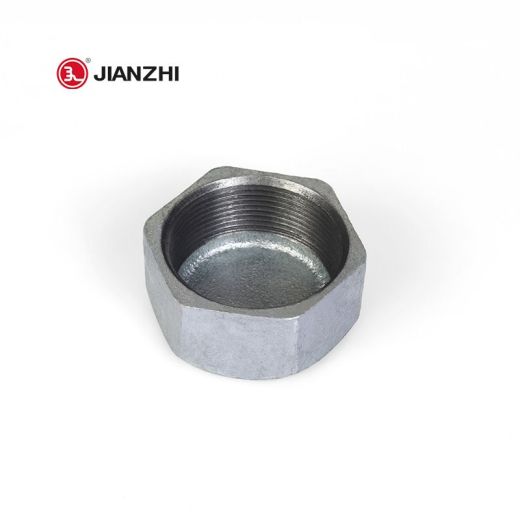
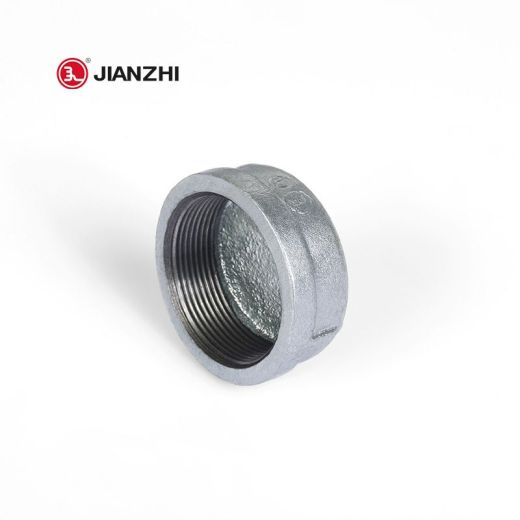
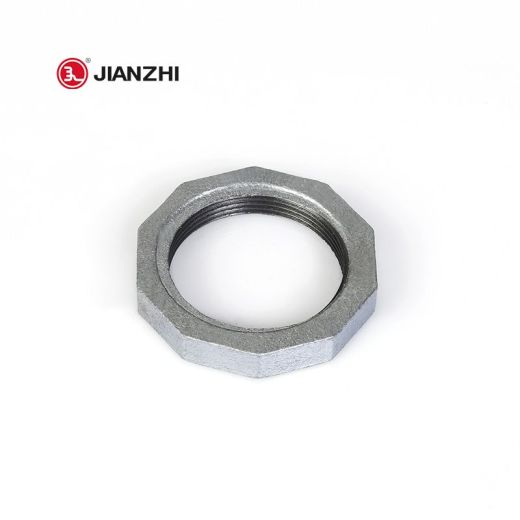
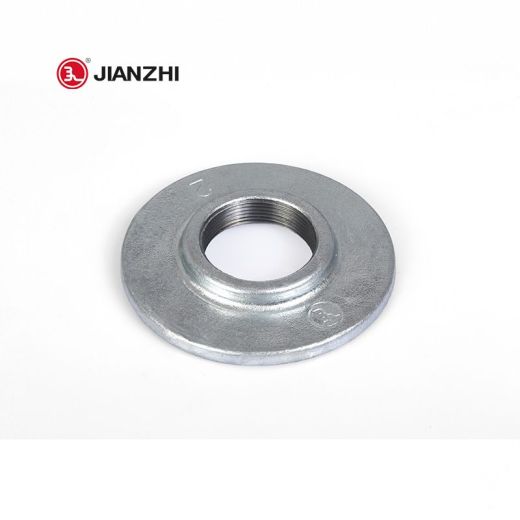
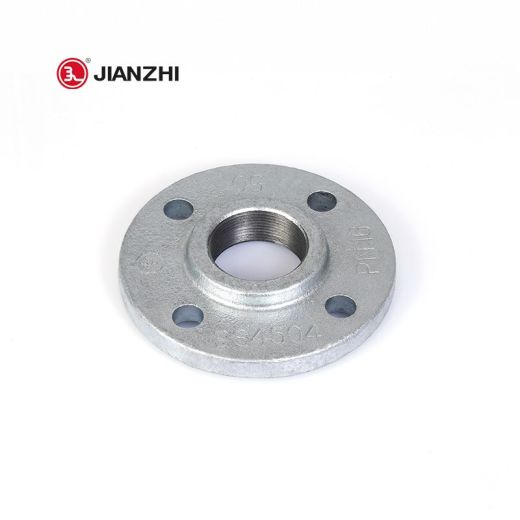
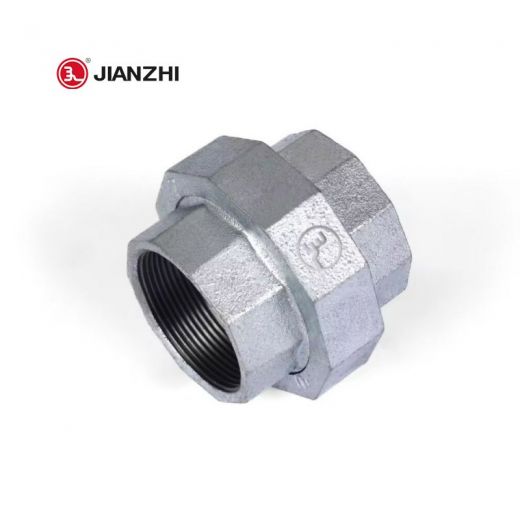
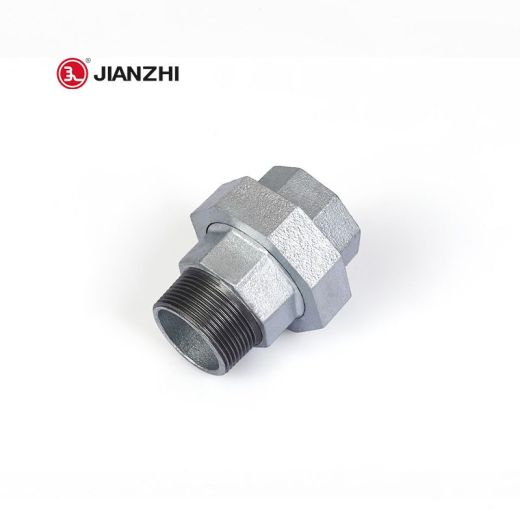
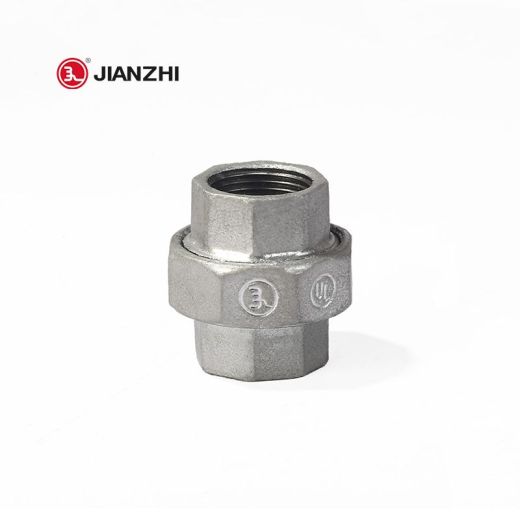
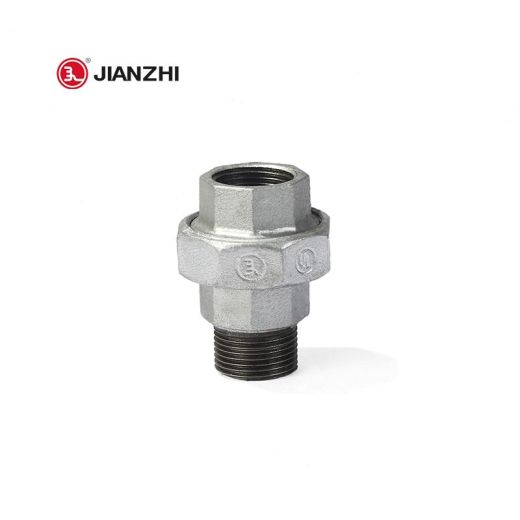
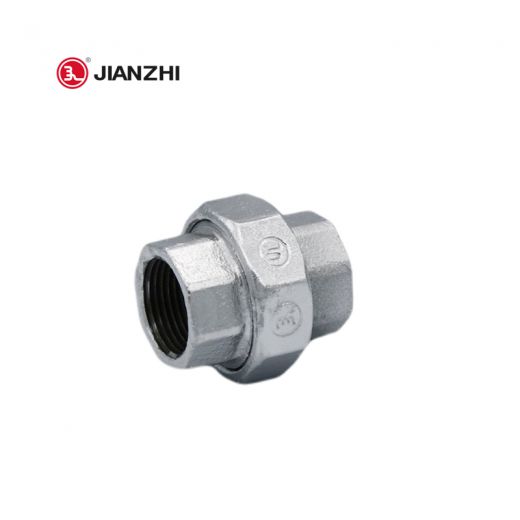
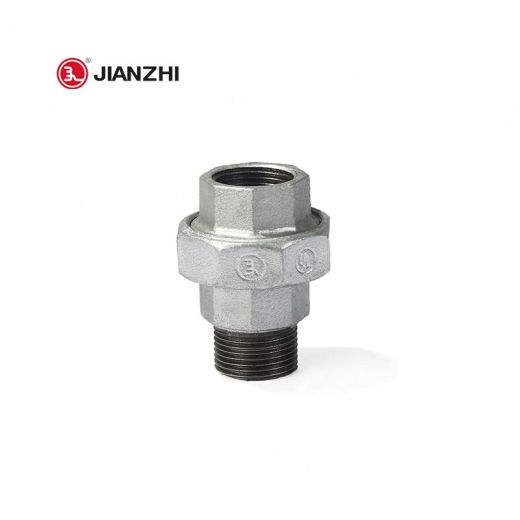
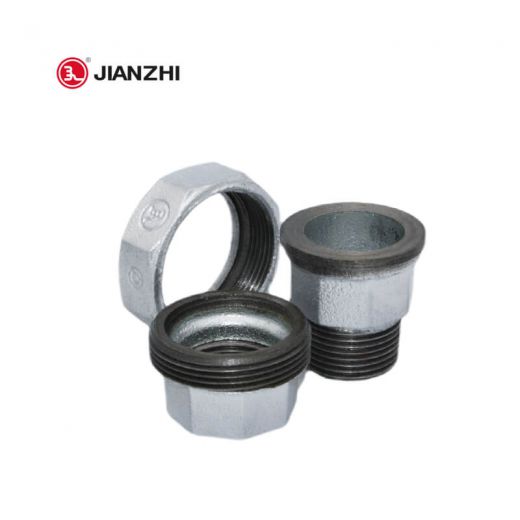
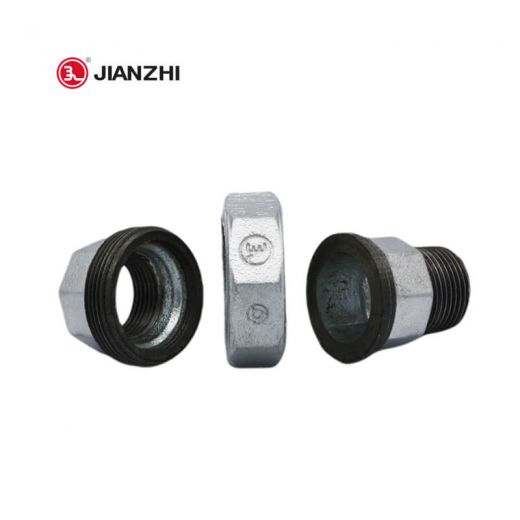
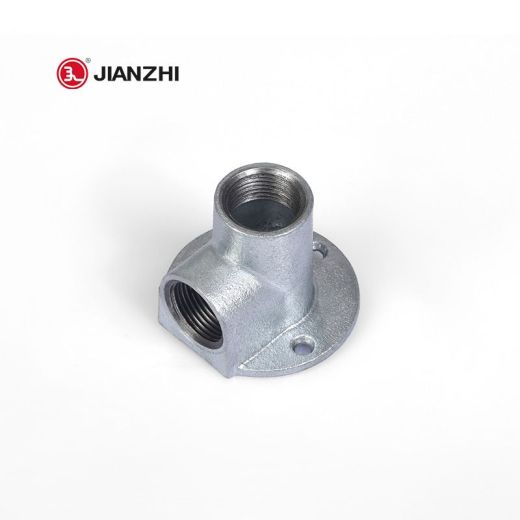
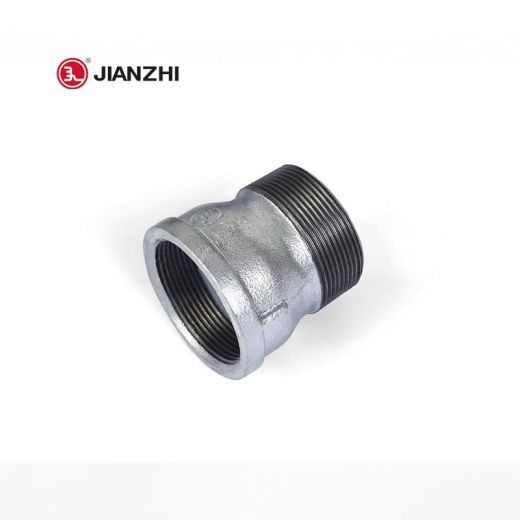
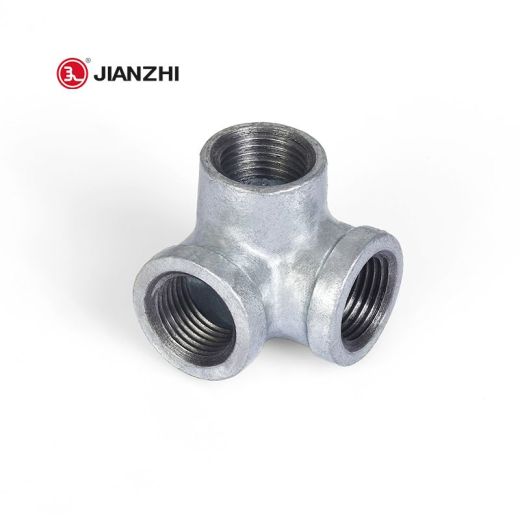
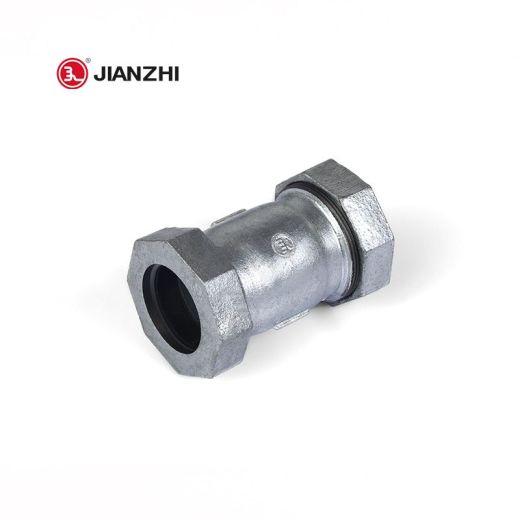
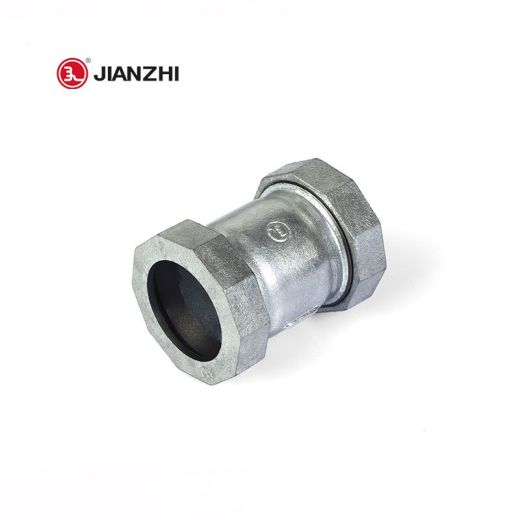
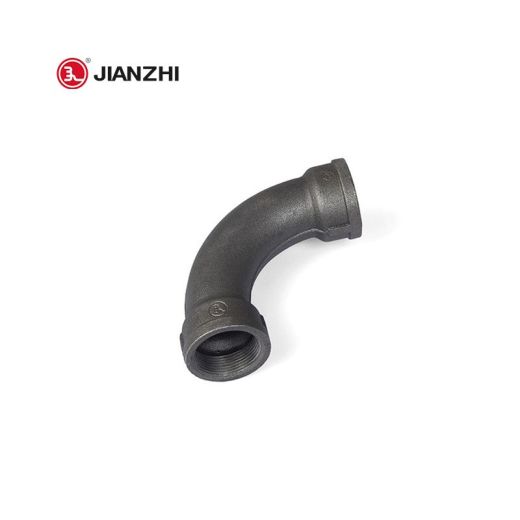
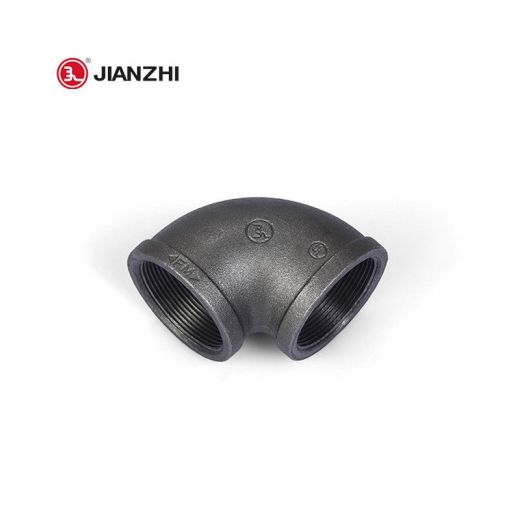
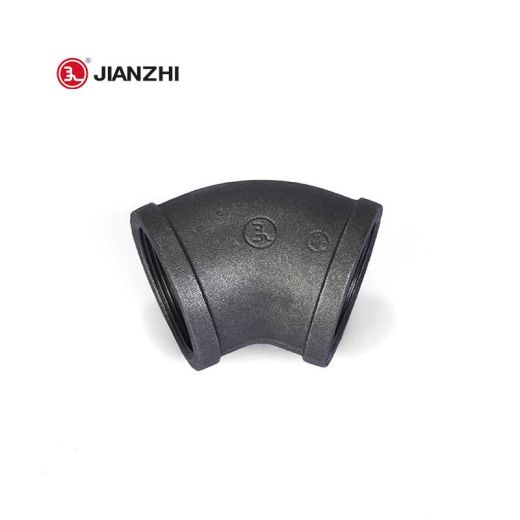
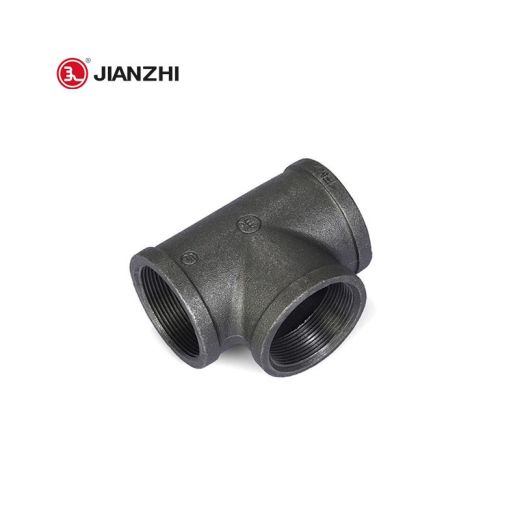
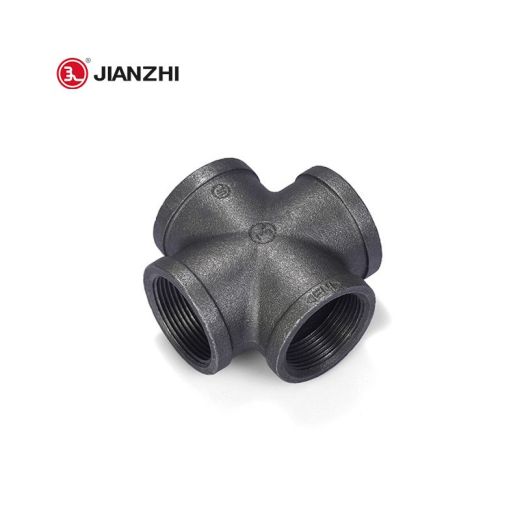
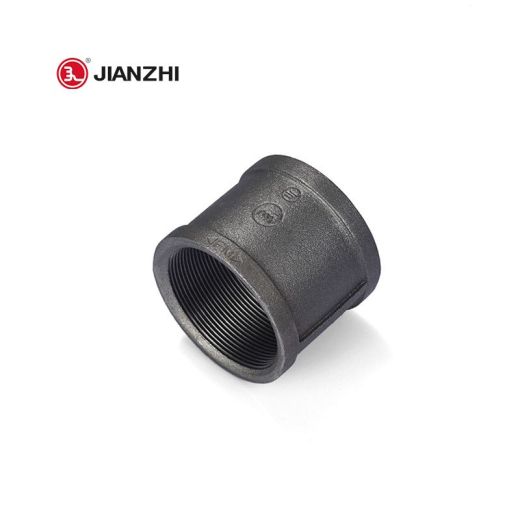
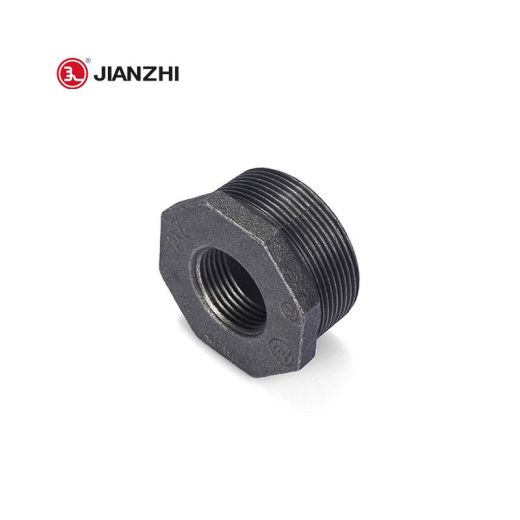
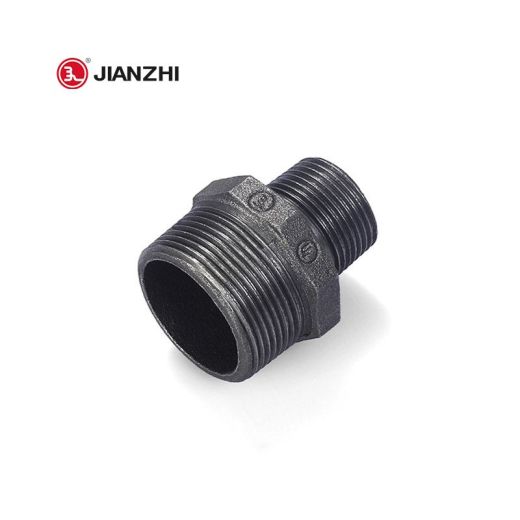
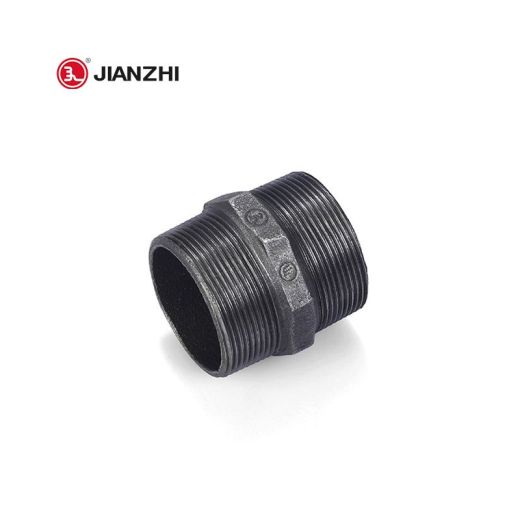
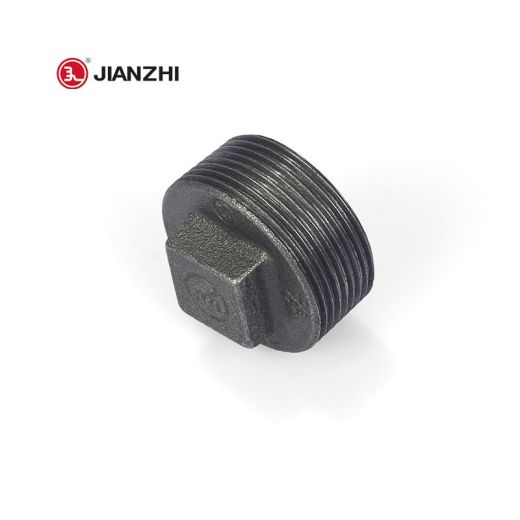
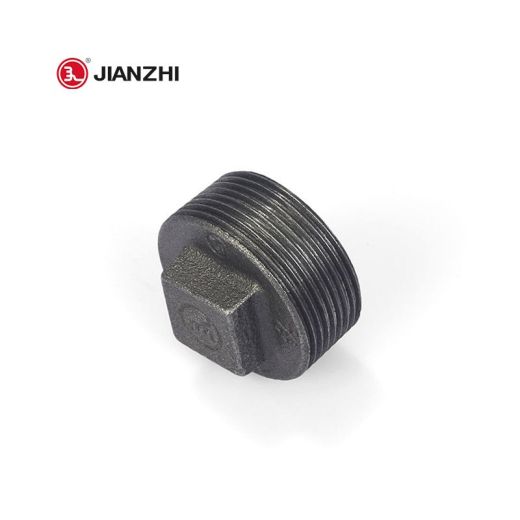
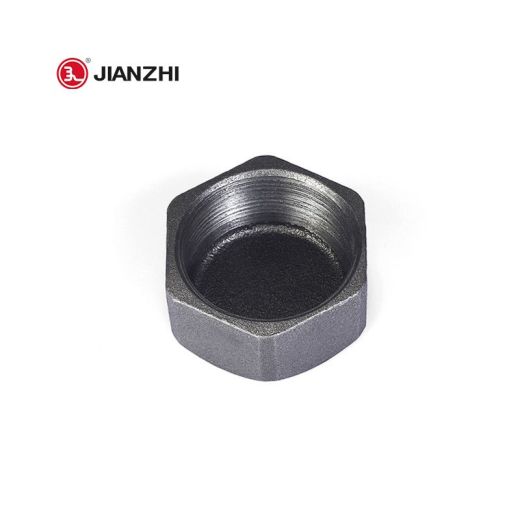
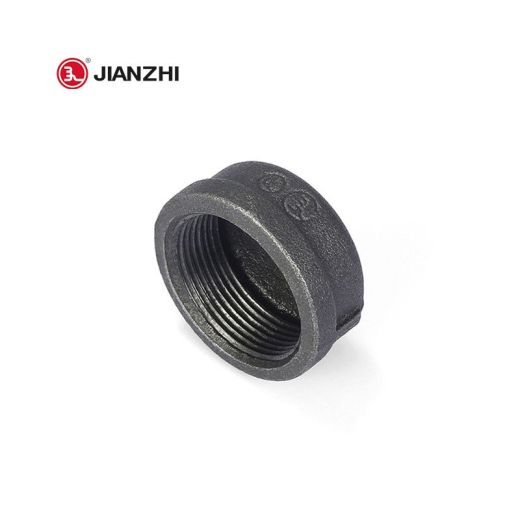
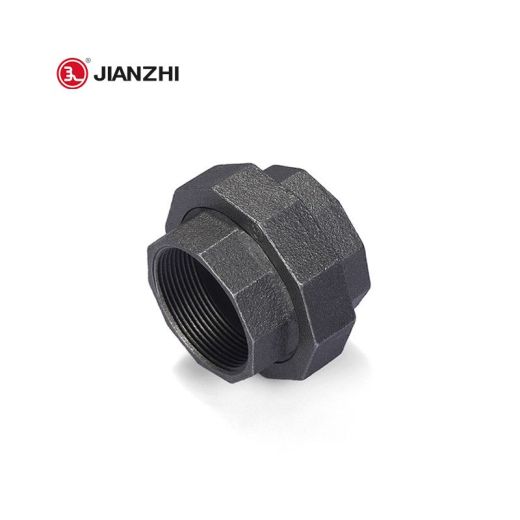
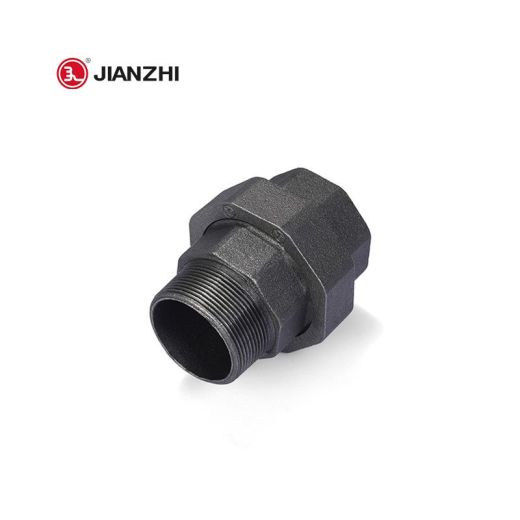
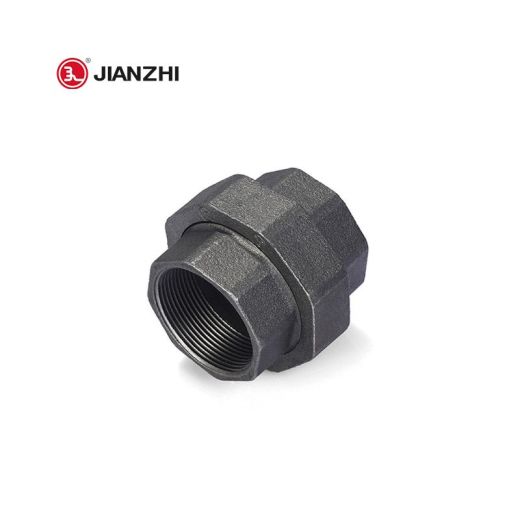
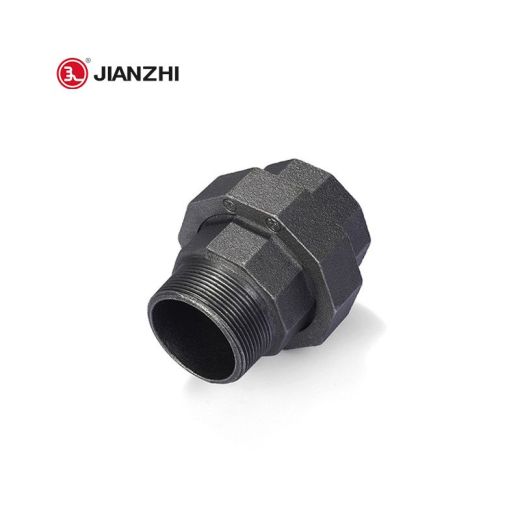
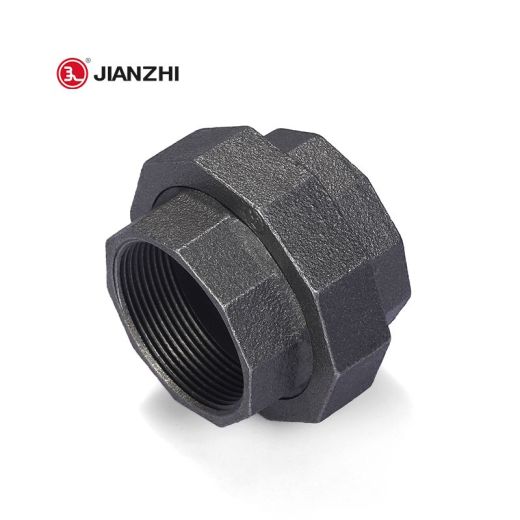
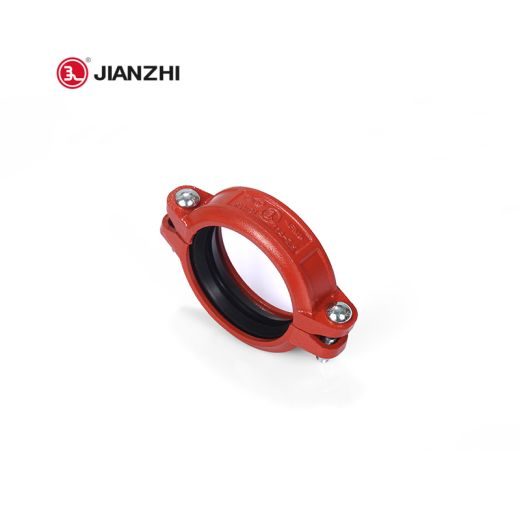
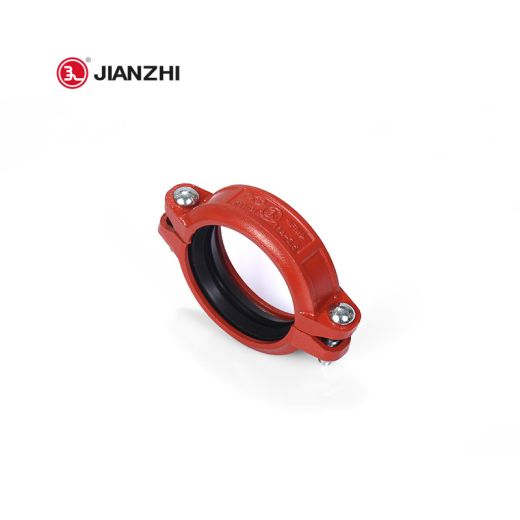
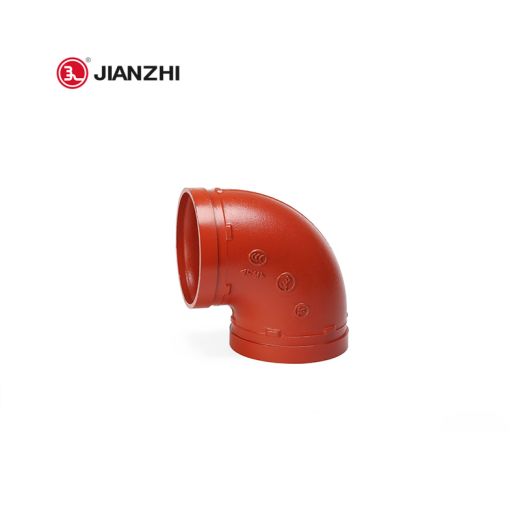
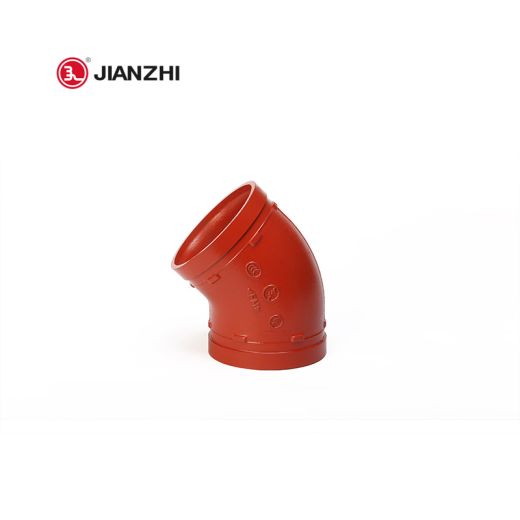
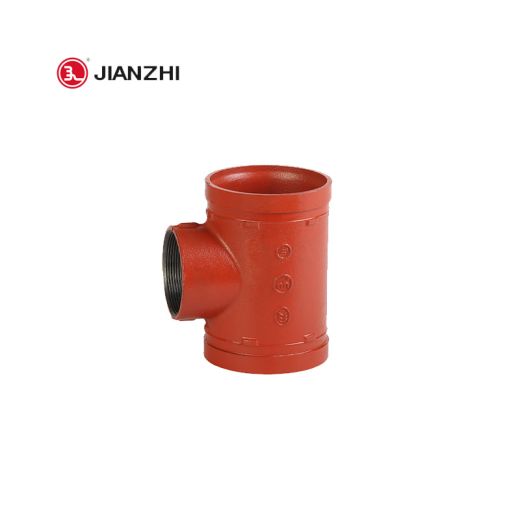
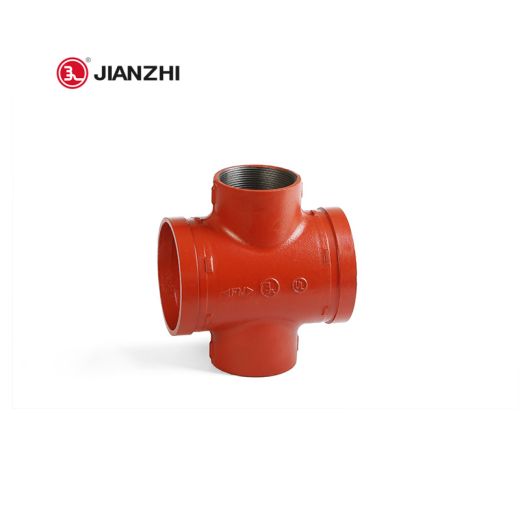
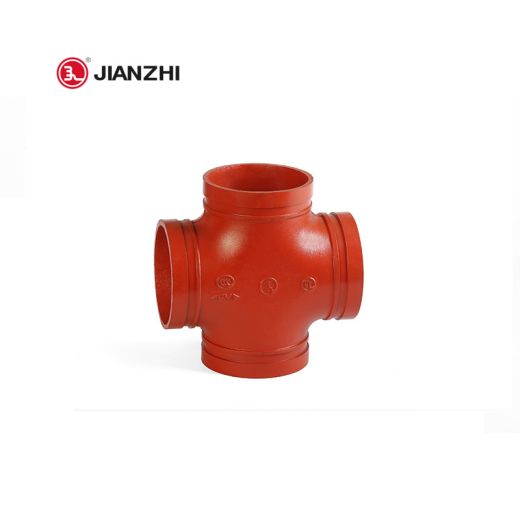
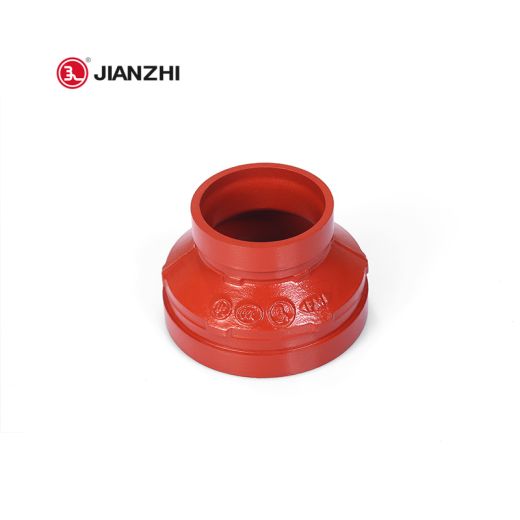
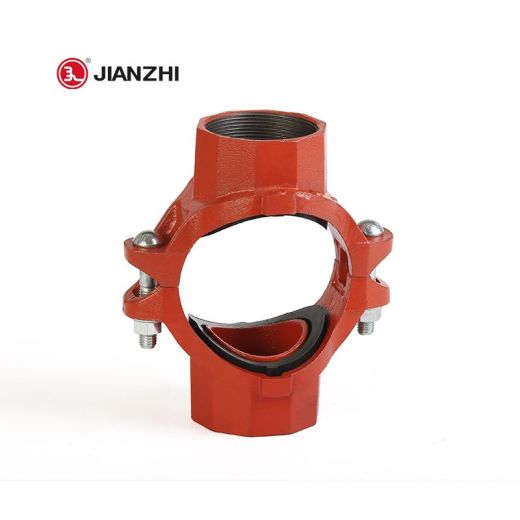
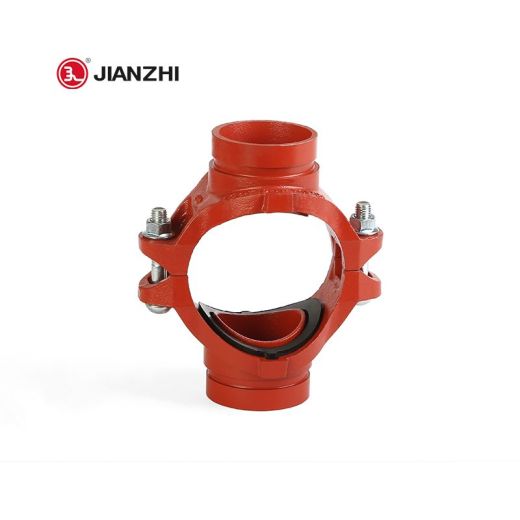
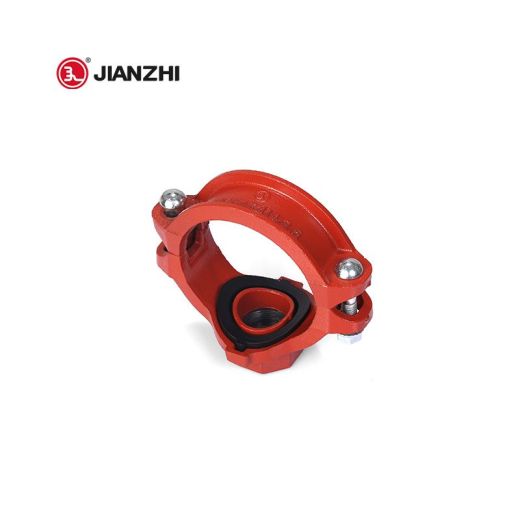
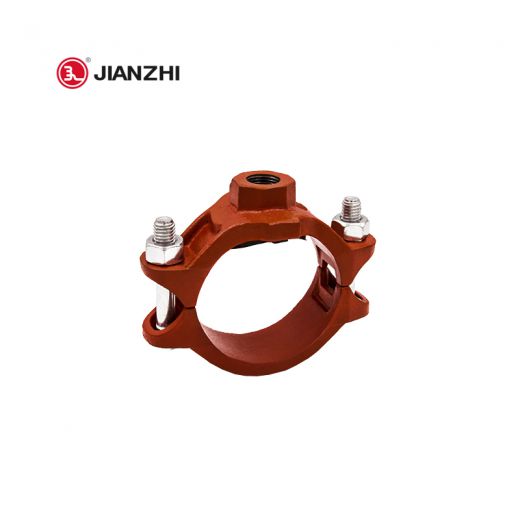
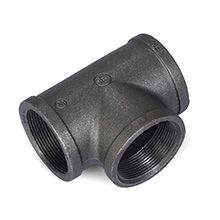
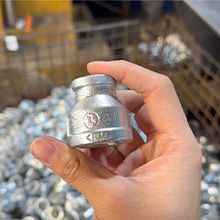
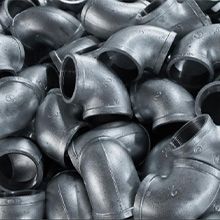
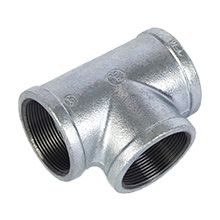
A cross fitting (also called a 4-way fitting) connects four pipe runs at 90° in a compact “+” shape. If you’re buying for a project, the real challenge isn’t finding “a cross fitting”—it’s making sure the thread type, standard, finish, and pressure/temperature requirement match your system so you don’t lose time to leaks or rework. In this guide, I’ll show you where cross fittings make sense, how to specify them clearly, and how we at Jianzhi support buyers who need dependable malleable iron pipe fittings.
A cross fitting has four outlets arranged at right angles. In threaded piping, it’s often used to split one line into multiple branches or to bring several branches into a central junction.
A cross sits at the center of four connections, so it can become a stress point if alignment is sloppy or the pipework isn’t supported. Choose it wisely and install it cleanly, and it’s a neat, efficient solution.
Cross fittings work best when you need a four-direction junction in a tight space and the layout is reasonably symmetrical. In real jobs, I see them used in:
Fire sprinkler and water distribution grids: Great for balanced branch layouts in ceiling networks and service corridors.
Compressed air and workshop piping: A cross can act like a small manifold point for several drops—just make sure vibration and pipe weight aren’t hanging on the fitting.
HVAC and building services: Useful for secondary branches where you want fewer parts and a clean routing in mechanical rooms.
Industrial equipment hook-ups: Skids and packaged systems sometimes use crosses to connect instruments, drains, and service branches around a main run.
Temporary or modular piping:Threaded crosses are easy to assemble and dismantle, which helps on maintenance-friendly or adjustable layouts.
I suggest a cross when you truly need a balanced, four-way branch. If you need more flexibility for alignment—or you expect changes later—two tees are often the safer, more forgiving option. That single decision can save a lot of site headaches.
When someone asks me for “a cross,” I always follow up with two questions: equal or reducing, and what thread standard?
| Type | What it means | Where it fits best | What I ask you to confirm |
|---|---|---|---|
| Equal Cross | All four outlets same size | Symmetrical branch networks | Size + thread type |
| Reducing Cross | One or more outlets smaller | Mixed branch sizes | Which outlet(s) reduce |
| Female Threaded Cross | Female threads on all ends | Serviceable threaded systems | NPT vs BSPT/BSPP |
| OEM / Special Cross | Custom marking/layout | Skids & packaged equipment | Drawing + marking needs |
Most malleable iron projects revolve around equal and reducing crosses. Clear specs make everything faster.
For threaded pipe networks, malleable iron is popular because it’s tough, practical, and cost-effective for building services and general industrial distribution.
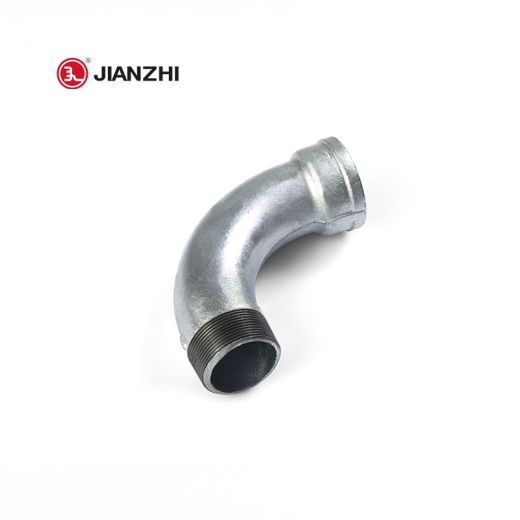
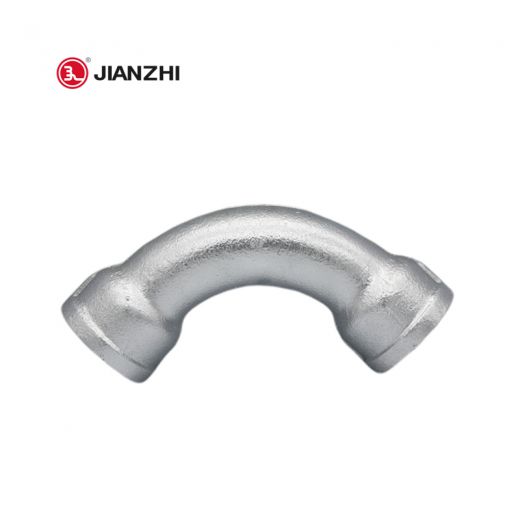
If corrosion risk is real—humidity, outdoor exposure, utility corridors, long service life expectations—I generally recommend hot-dip galvanized. It’s a common choice for many export markets because it handles rougher environments better.
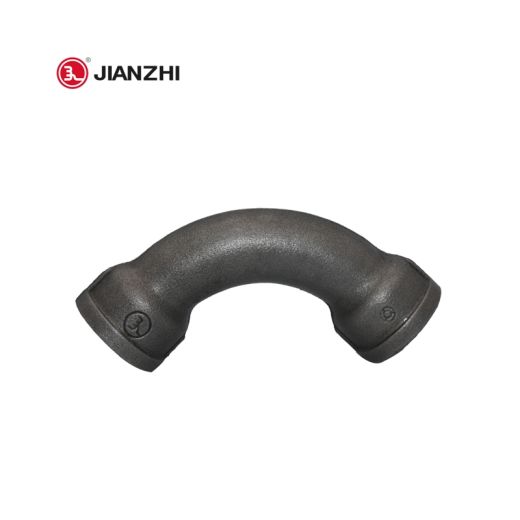
For indoor dry applications where corrosion is controlled, black/oiled can be a sensible, budget-friendly option.
At Jianzhi, we supply both finishes depending on your usage environment, because “one finish for everything” usually leads to either unnecessary cost or early corrosion. I’d rather help you match the right finish upfront.
If there’s one place buyers get burned, it’s here. Two cross fittings can look similar and still be incompatible.
Depending on your market and customer spec, you may see references like:
EN 10242 / ISO 49 for malleable cast iron threaded fittings in many regions
ASME B16.3 for malleable iron threaded fittings in other specifications
I don’t force a standard on you—I follow your project requirement. If you’re not sure what your customer expects, tell me the destination market and application and I’ll help you narrow it down.
This is the big one:
NPT (taper thread, common in North America)
BSPT (taper thread, common in many international markets)
BSPP (parallel thread; sealing method must be defined)
From what I see in day-to-day orders, thread mismatch causes more rework than anything else. If you’re not 100% sure, I’ll ask what the mating pipe/thread is and confirm it before we proceed. It’s a small check that prevents a painful mistake.
I don’t push crosses in every layout. I choose based on how forgiving the installation needs to be.
You need a compact four-way junction
The geometry is stable and symmetrical
You want fewer joints (fewer leak opportunities)
Alignment on site is tricky
Future modifications are likely
You want easier stress management in tight runs
If your contractor team is working fast with limited adjustment room, two tees can be the “less risky” option even if it uses more parts.
Even a well-made fitting can leak if installation is rushed. These are the basics I remind installers and buyers:
Confirm thread type before assembly (NPT vs BSPT vs BSPP)
Start threads by hand to avoid cross-threading
Use the sealing method your spec allows (PTFE tape, thread sealant, approved compound)
Don’t over-tighten—over-torque can damage threads or stress the fitting body
Support the pipework so the cross isn’t acting like a hanger point
Pressure test according to your project procedure
Good installation isn’t complicated—it’s disciplined.
I know procurement teams care about three things: spec accuracy, consistency, and delivery control. That’s exactly where we focus.
At Jianzhi, we help you confirm the details that usually cause problems—threads, standard, finish, and outlet sizes—before production. If you’d like, send me your line list (sizes, threads, finish, quantities) and tell me the application (sprinkler, water, air, HVAC, industrial). We’ll recommend the most practical cross fitting options for your market and provide a clear quotation you can use confidently.
Products Category
Products
News
Related Information
SAFER
PRODUCT INFO
ABOUT JIANZHI
TECH DATA
Contact Us
E-mail: sales1@jianzhi-fitting.com
Tel: +86 15822792427
Office In Tianjin:
Heping District, Tianjin, China.
Production Base 1:
Chifeng, Inner Mongolia, China.
Production Base 2:
Tangshan City, Hebei Province, China.
Production Base 3:
Schelei Street,Baicoi City,Prahova County,Romania