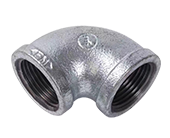
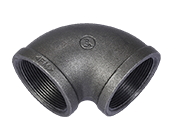
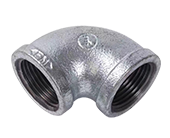
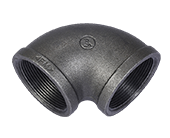
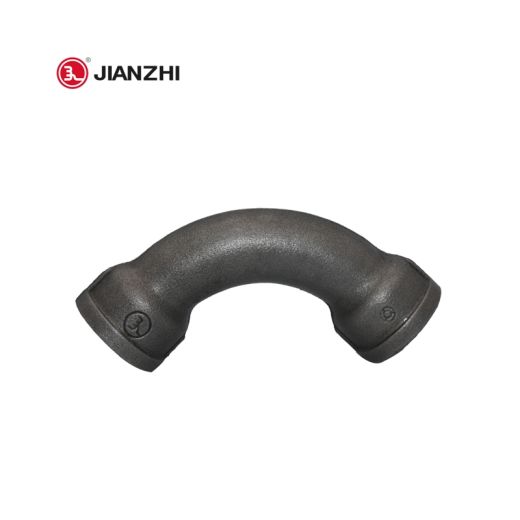
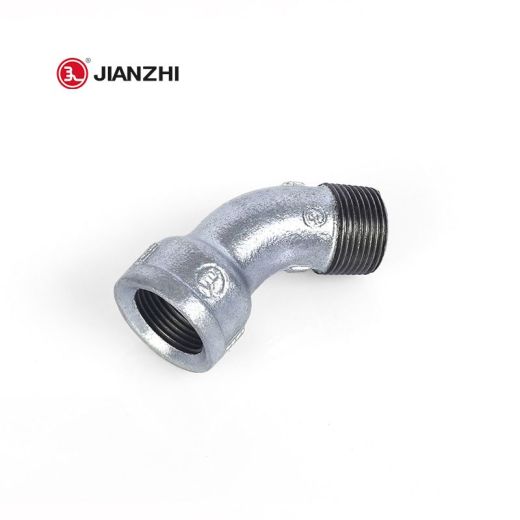
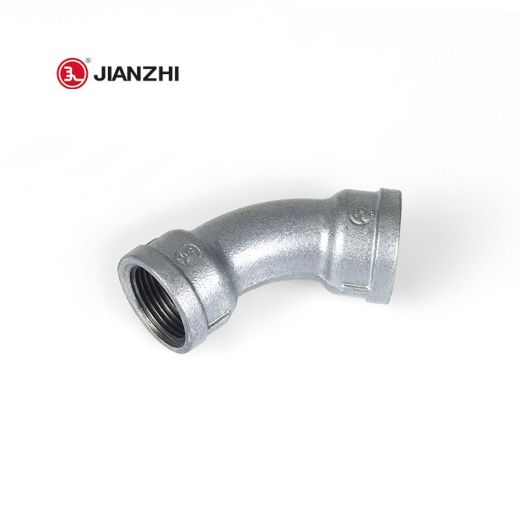
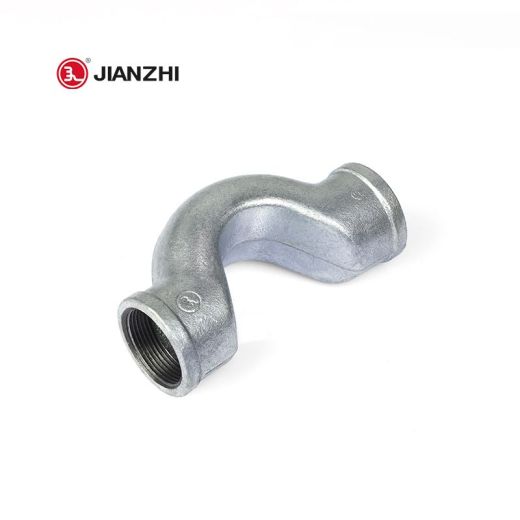
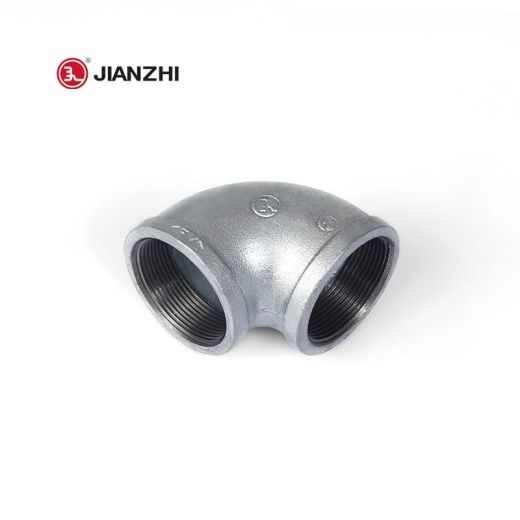
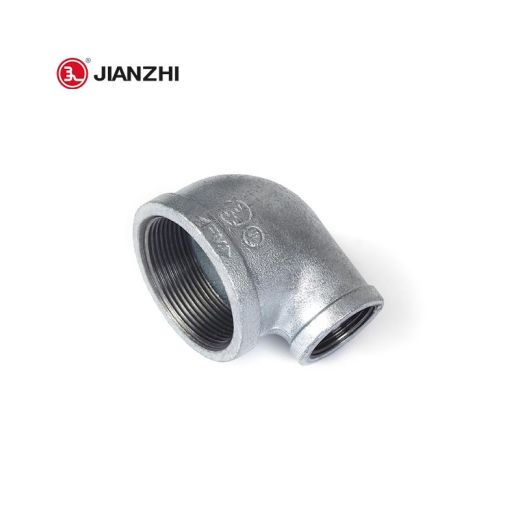
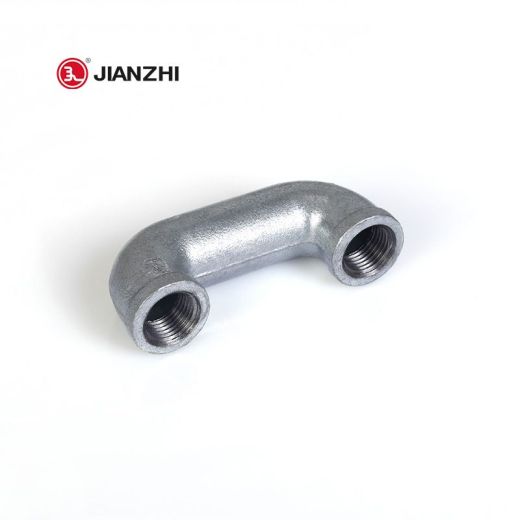
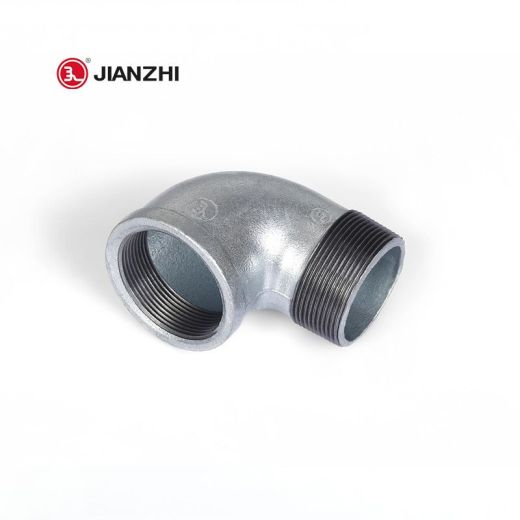
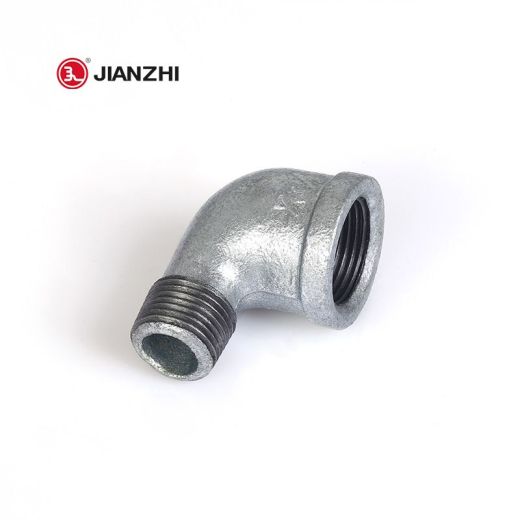
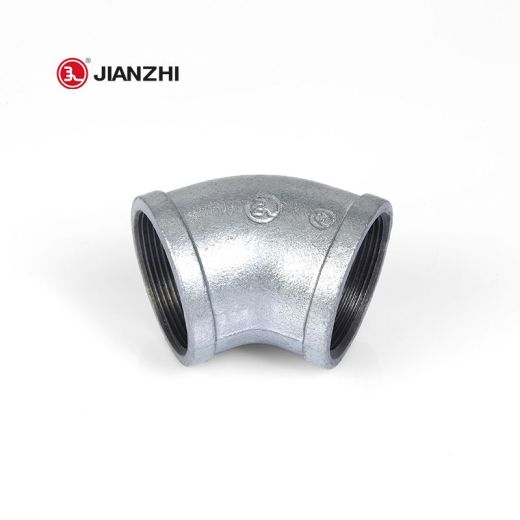
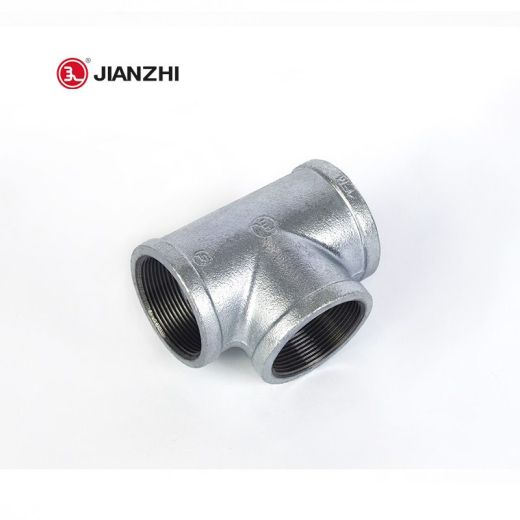
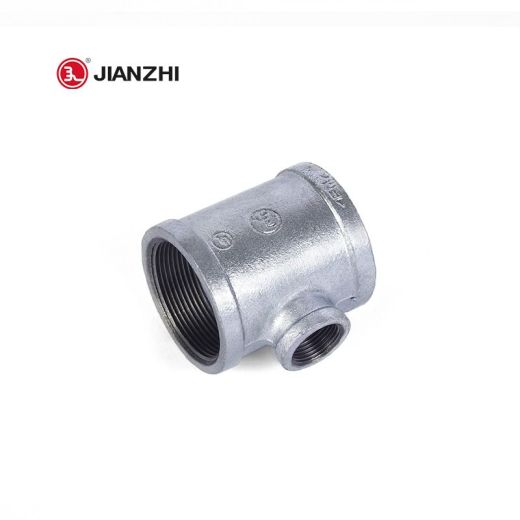
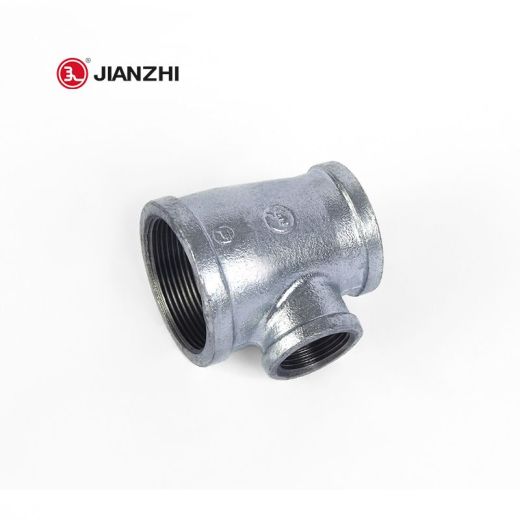
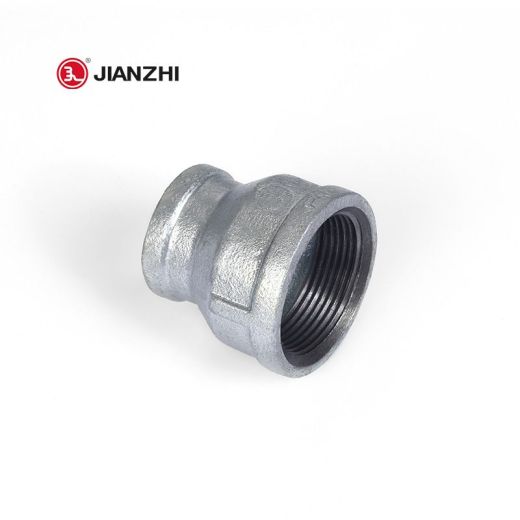
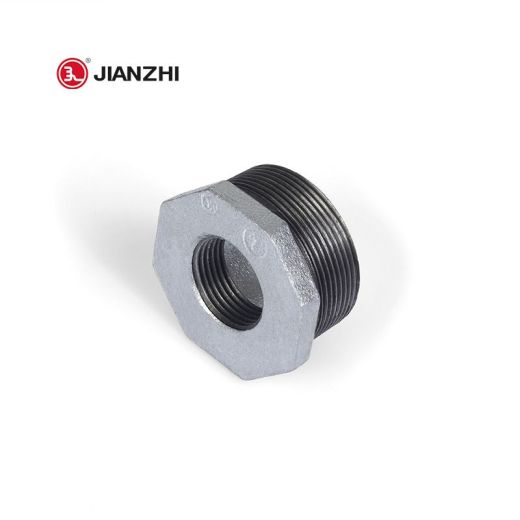
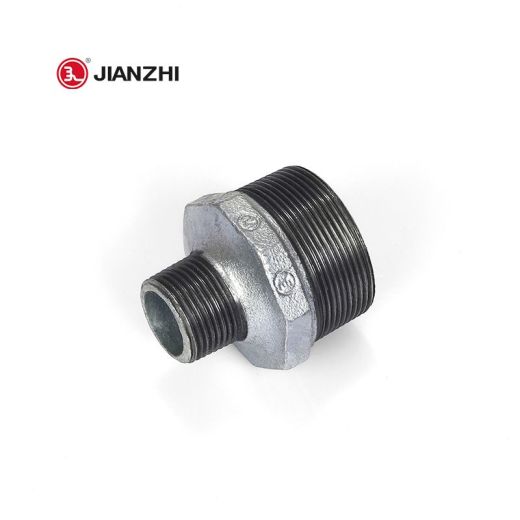
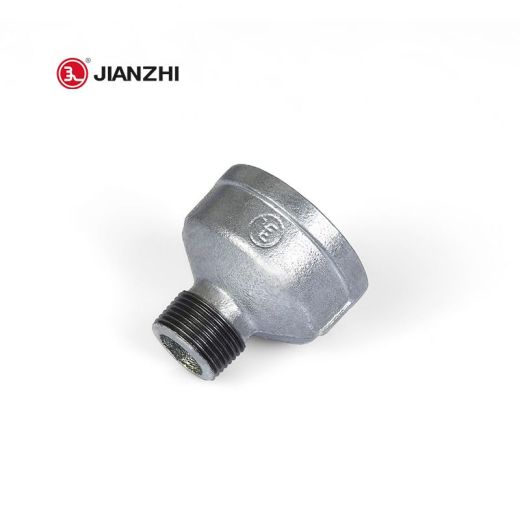
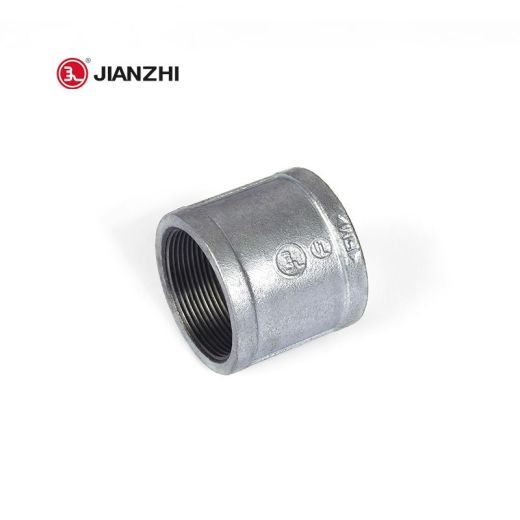
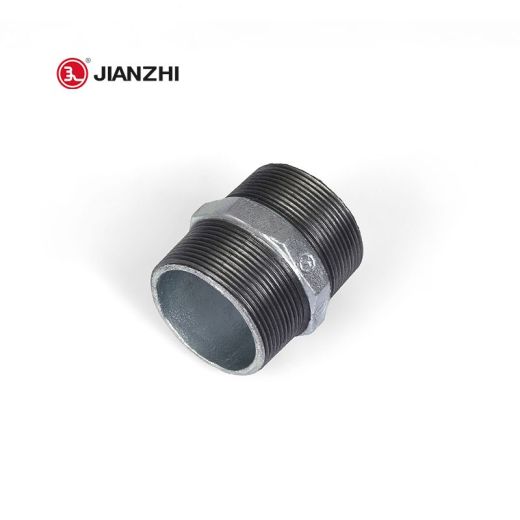
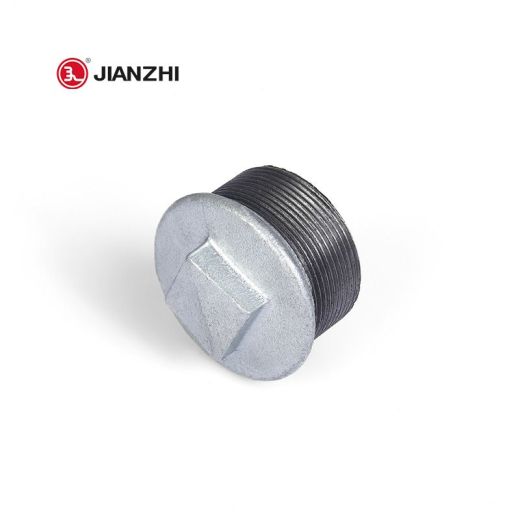
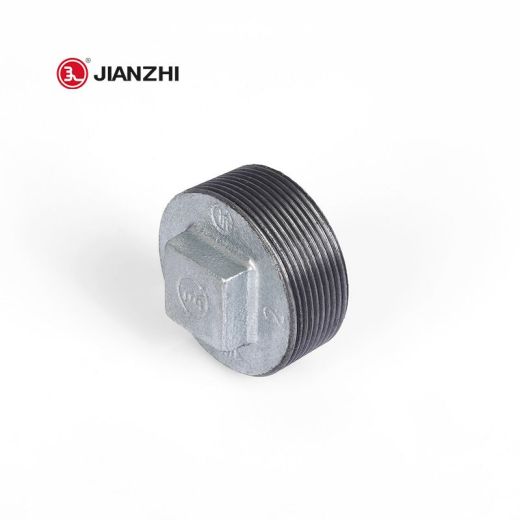
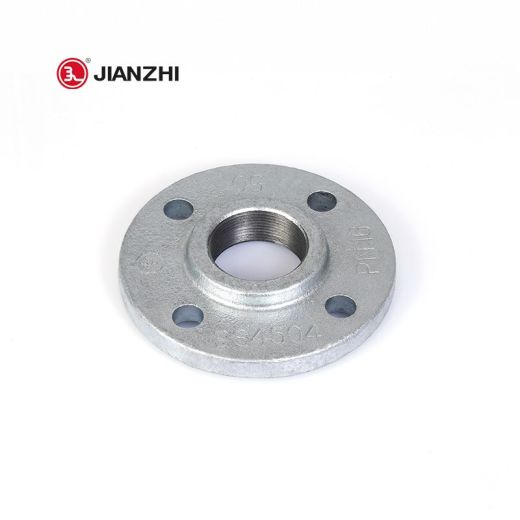
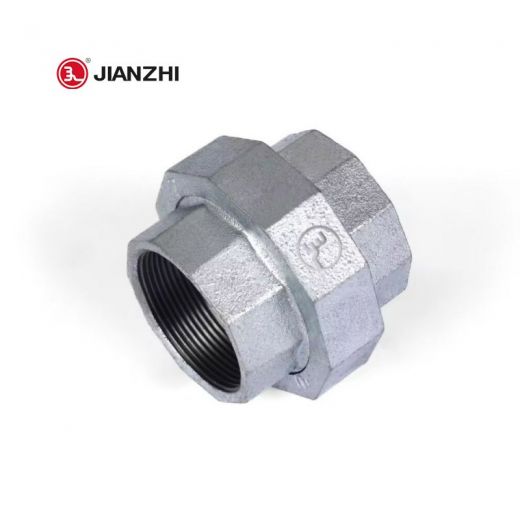
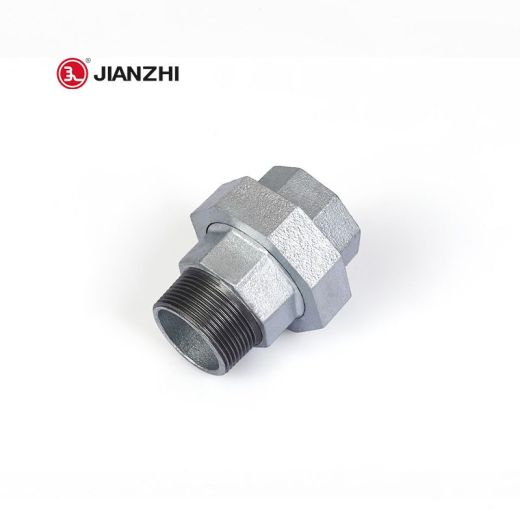
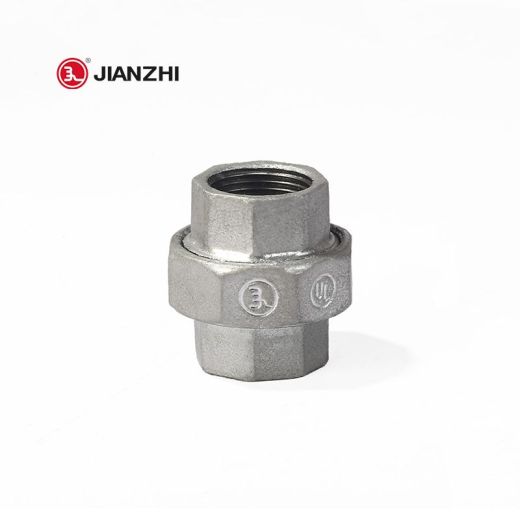
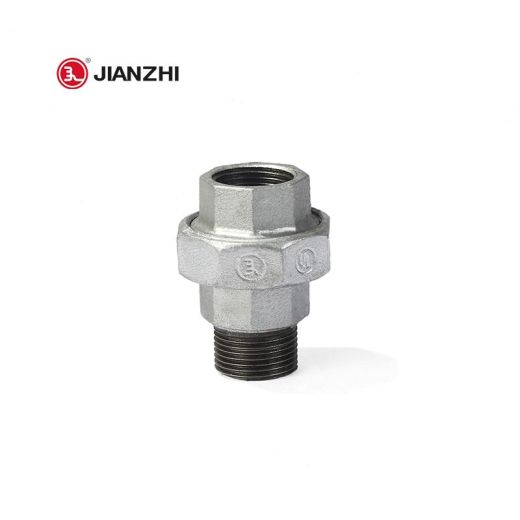
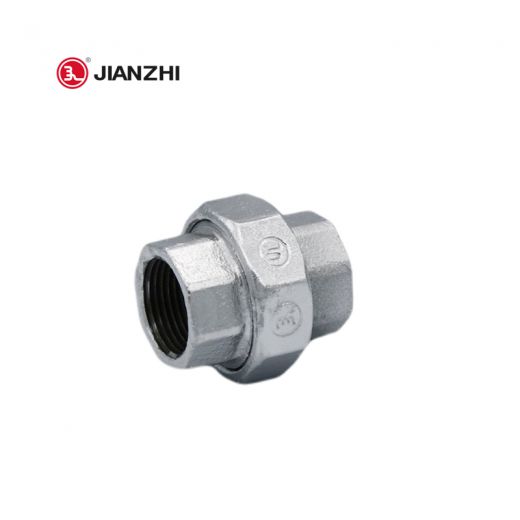
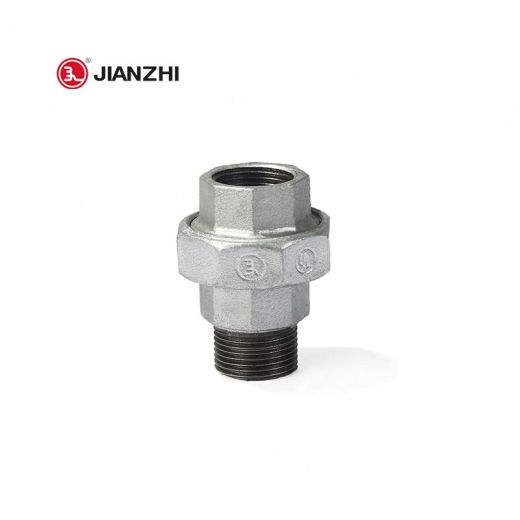
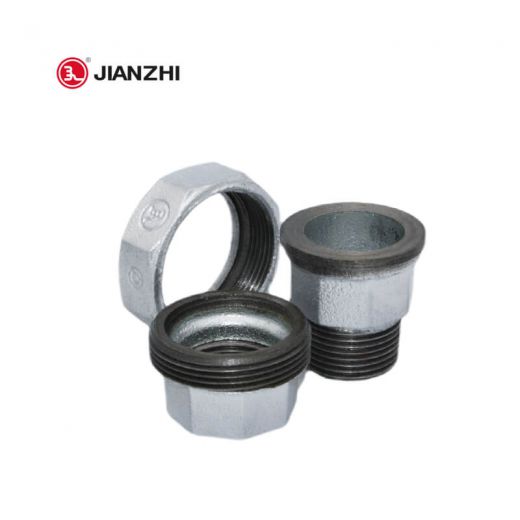
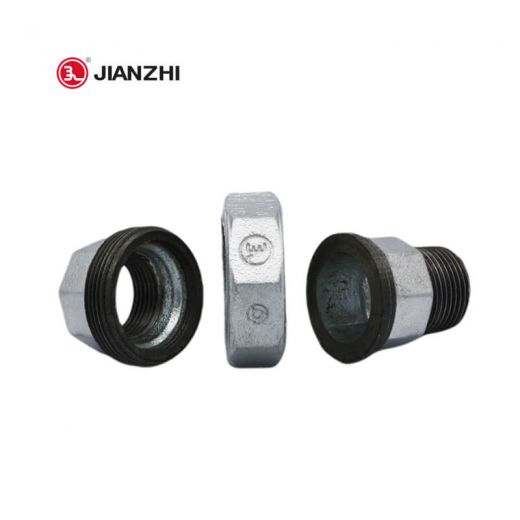
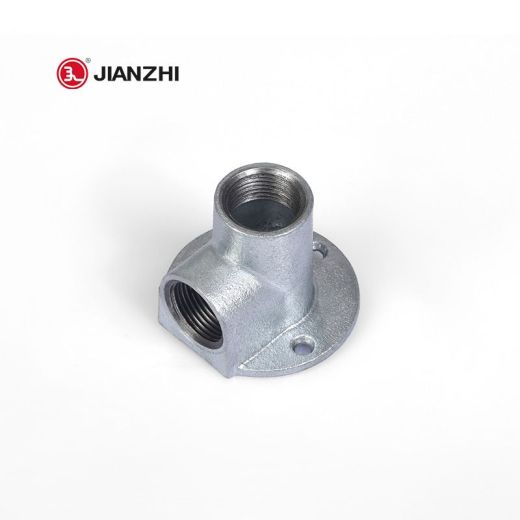
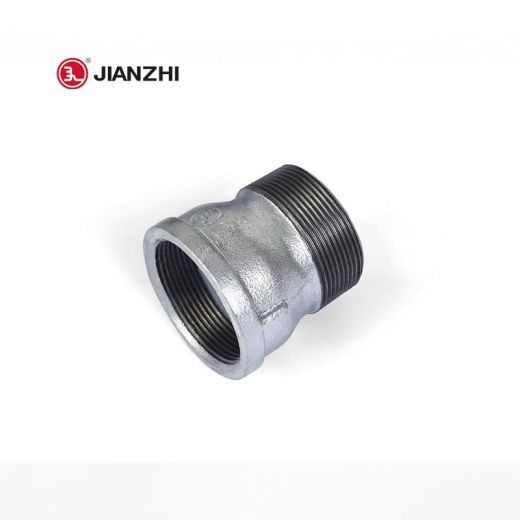
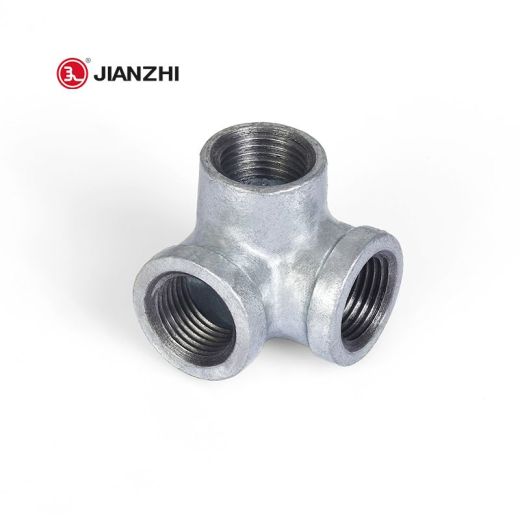
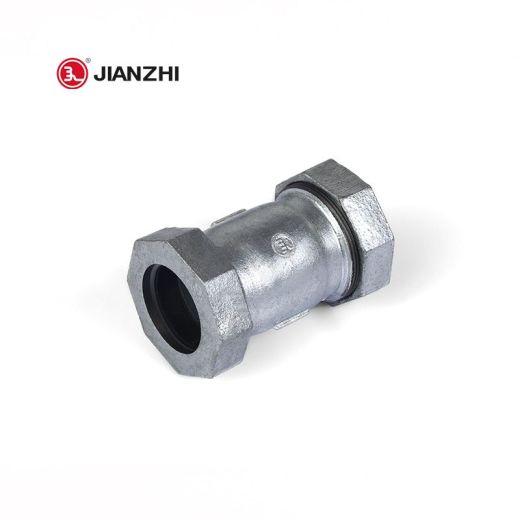
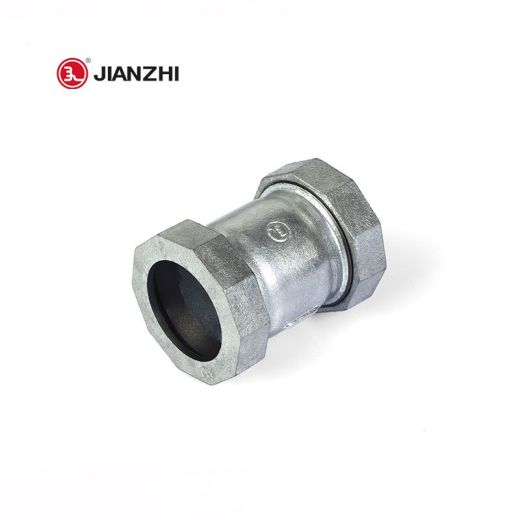
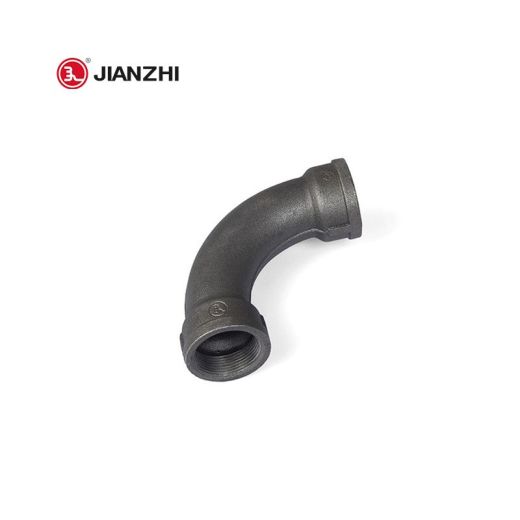
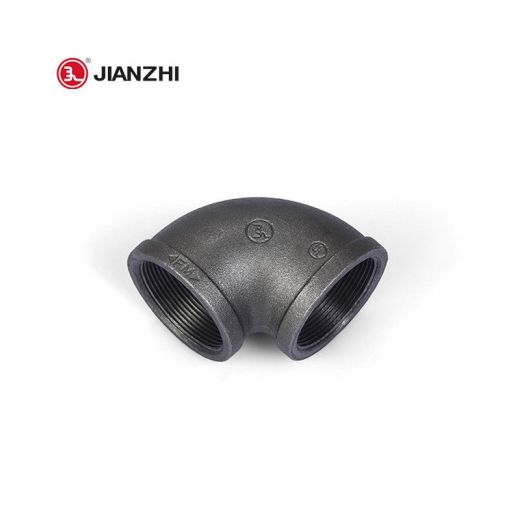
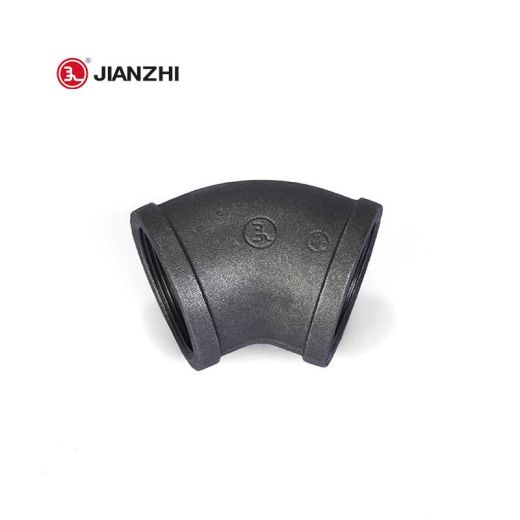
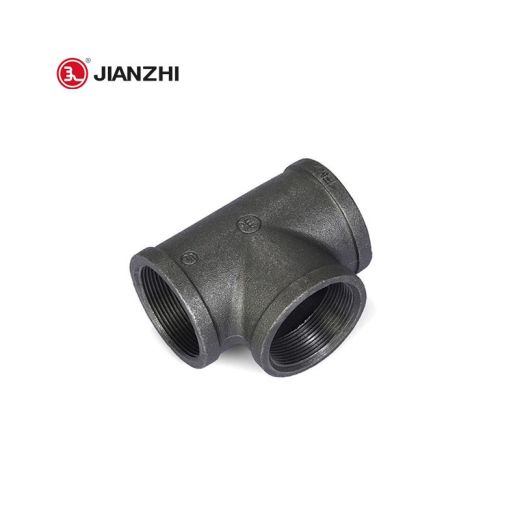
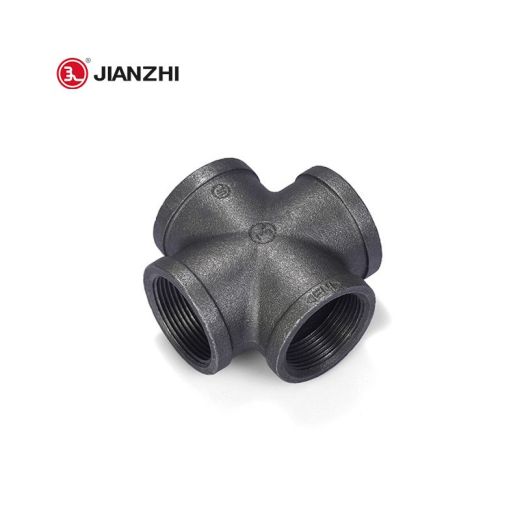
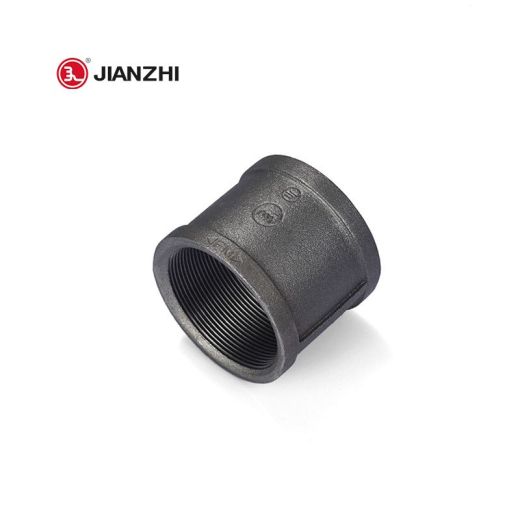
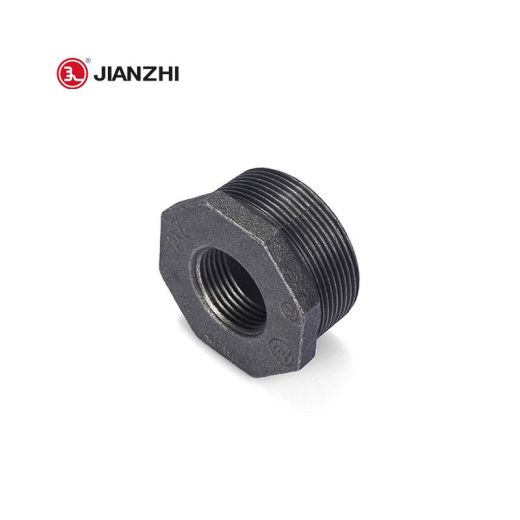
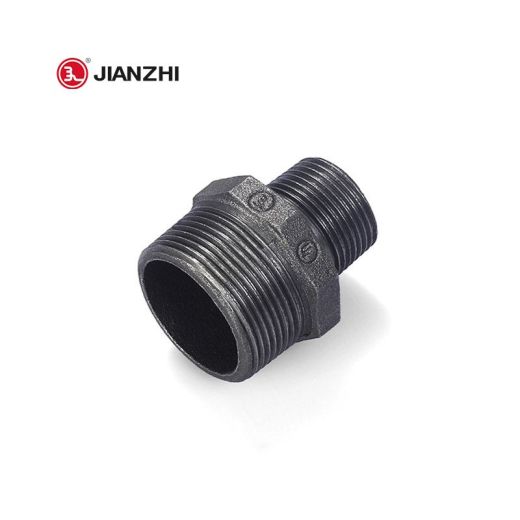
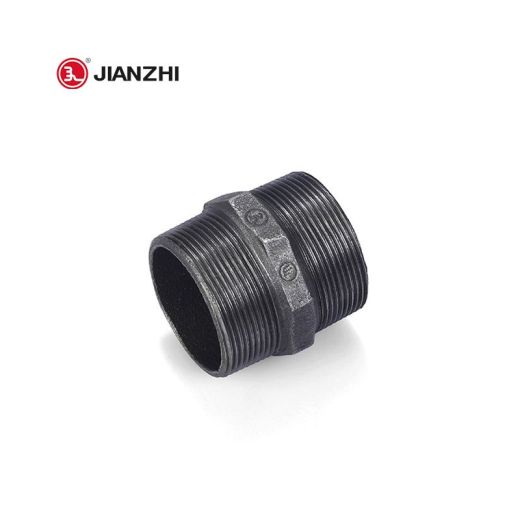
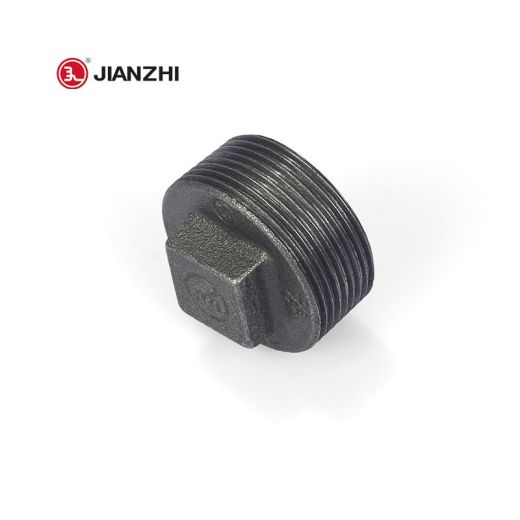
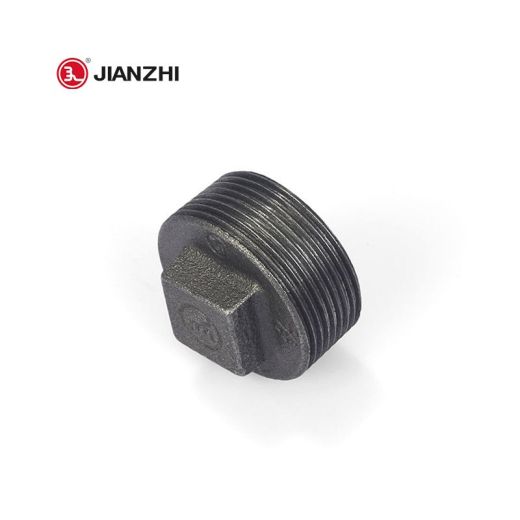
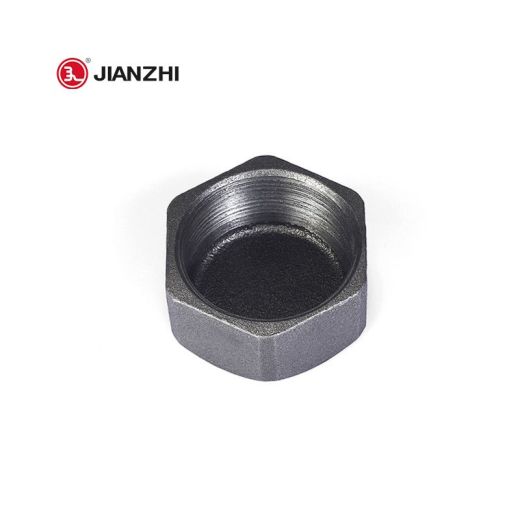
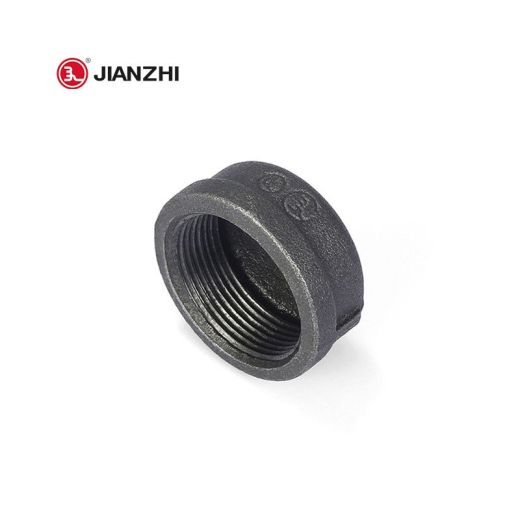
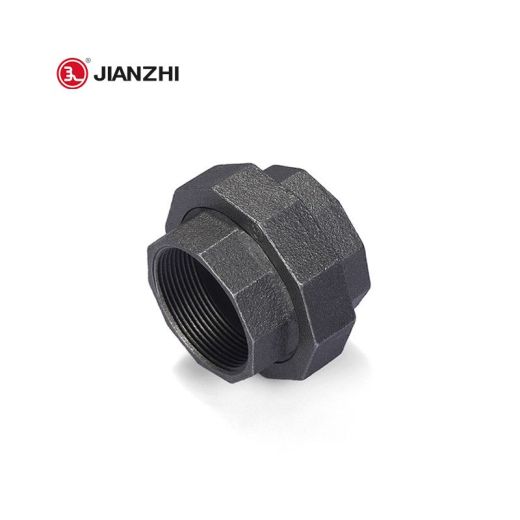
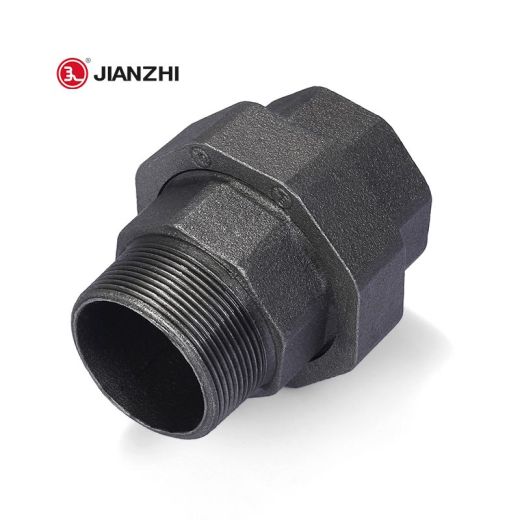
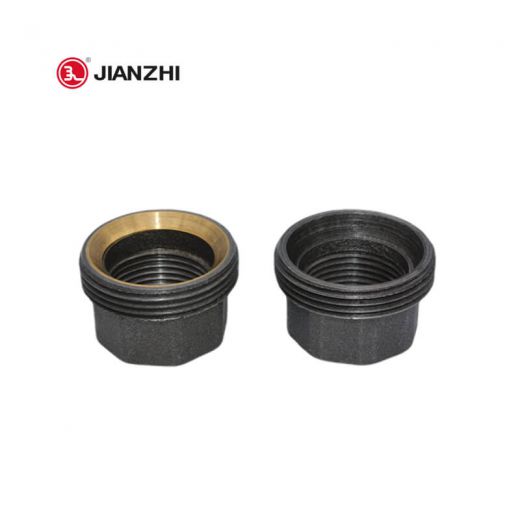
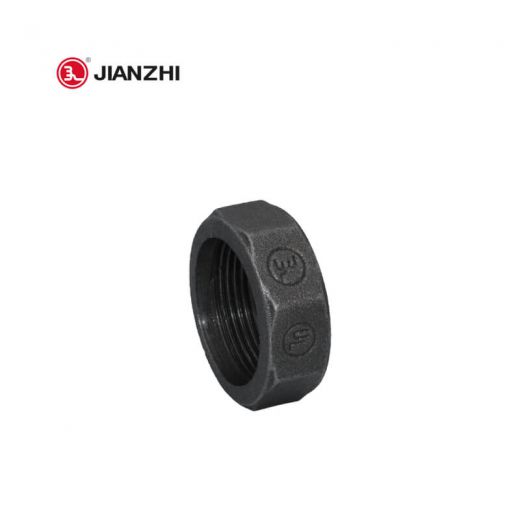
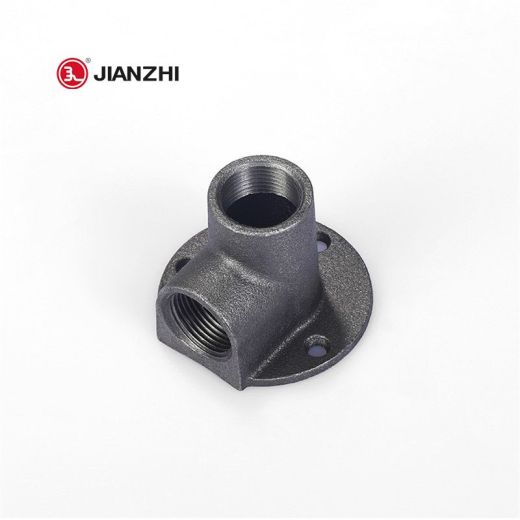
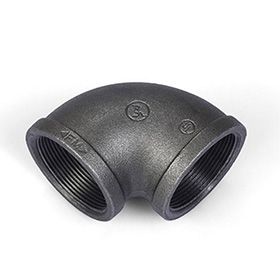
When it comes to installing natural gas lines or propane distribution systems, safety and reliability are non-negotiable. Even a microscopic leak can lead to catastrophic consequences. This is why professional plumbers, contractors, and engineers universally rely on black malleable iron pipe fittings for gas piping networks.
But out of all the materials available—like copper, PVC, or standard cast iron—why is malleable iron the undisputed gold standard for gas pipes? Let’s explore the engineering and safety reasons behind this industry choice.
Unlike standard grey cast iron, which can be brittle and prone to cracking under physical stress, malleable iron goes through an extensive annealing process (heating and slow cooling).
This thermal treatment alters its microstructure, giving it excellent ductility and high impact resistance. In a gas distribution system, pipes may be subjected to structural vibrations, accidental impacts, or building settling. Malleable iron can absorb these shocks without fracturing, ensuring the gas line remains completely intact.
For low-pressure gas systems, the integrity of the connection is everything. Malleable iron is softer than steel, which makes it an excellent material for precise CNC threading.
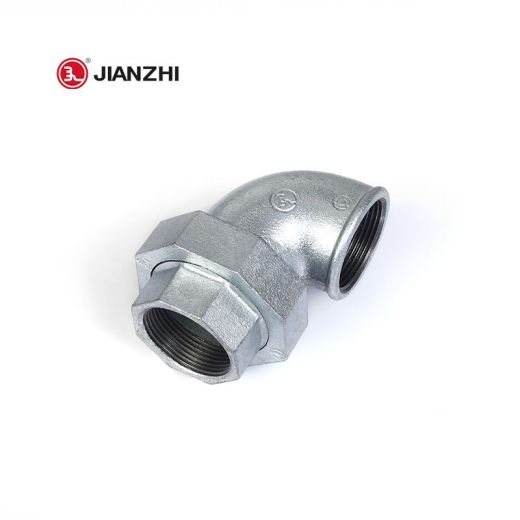
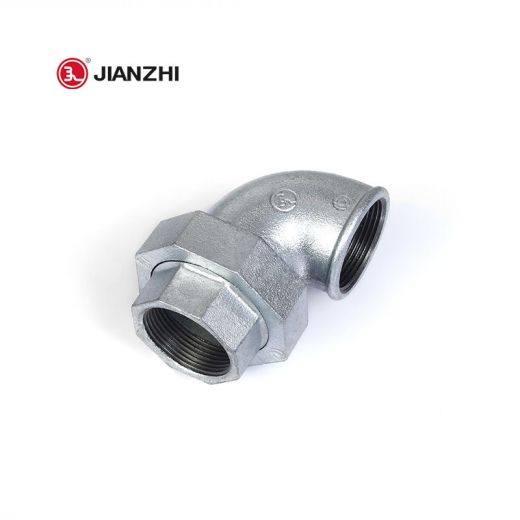
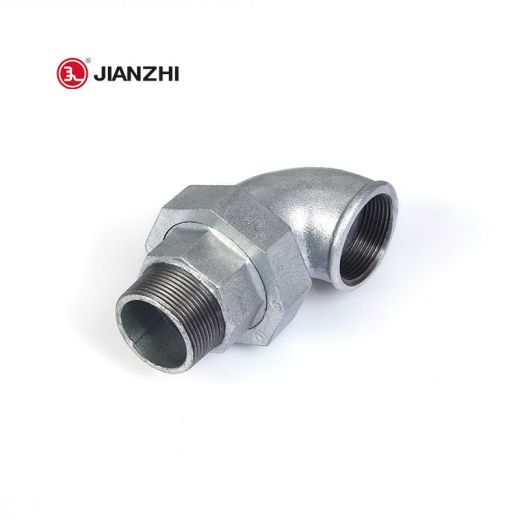
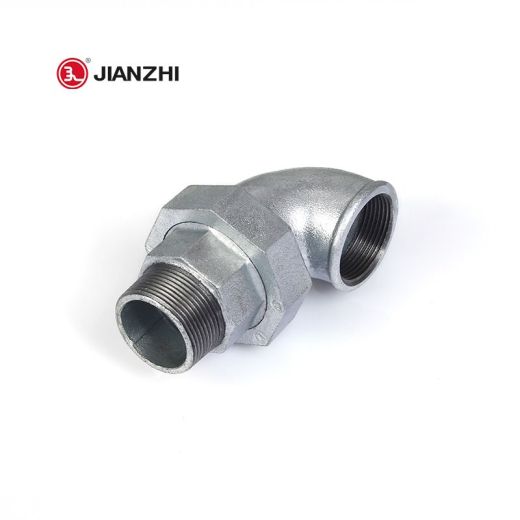
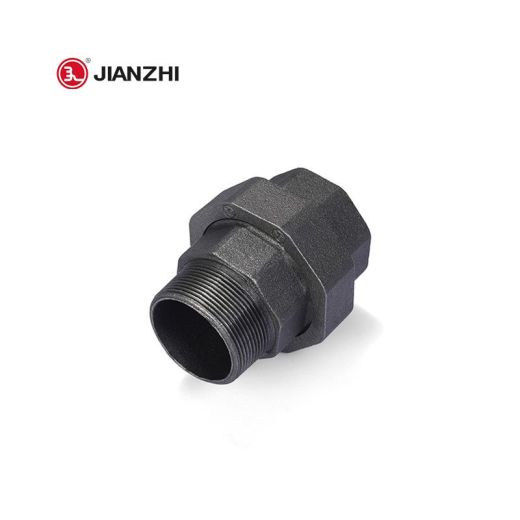
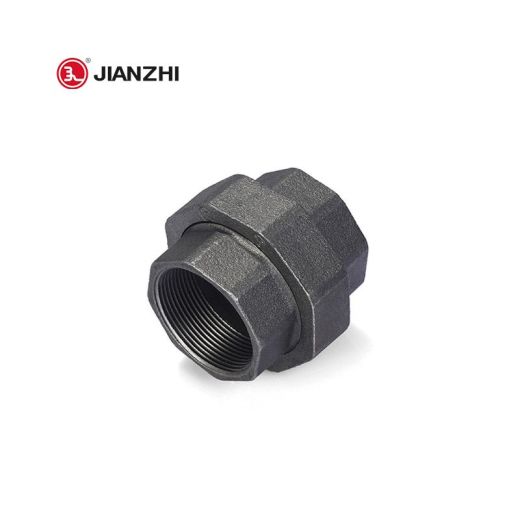
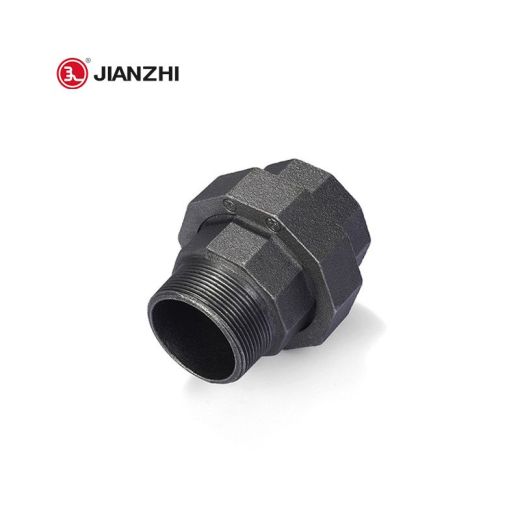
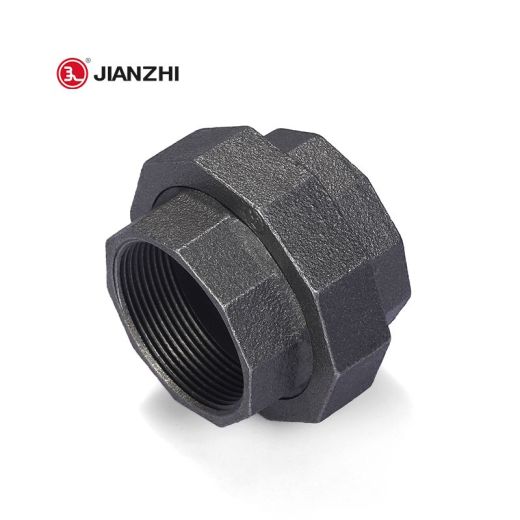
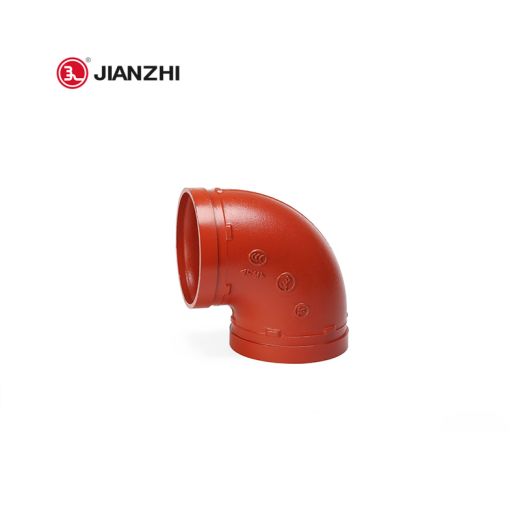
Perfect Mating: When a malleable iron fitting (like an elbow or union) is screwed onto a threaded steel pipe, the metal slightly yields and conforms to the pipe’s threads.
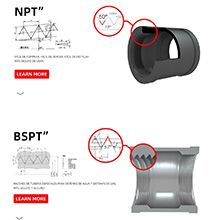
Tapered Threads: Using standard NPT (National Pipe Taper) or BSPT threads along with pipe dope (Teflon tape/sealant), malleable iron creates an incredibly tight, permanent, and 100% leak-proof seal that gas systems demand.
Routing gas from the main meter to various appliances (like furnaces, water heaters, and stoves) requires careful planning and the right structural fittings.
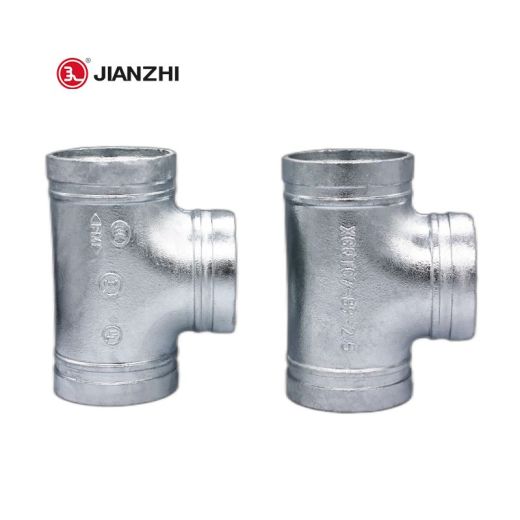
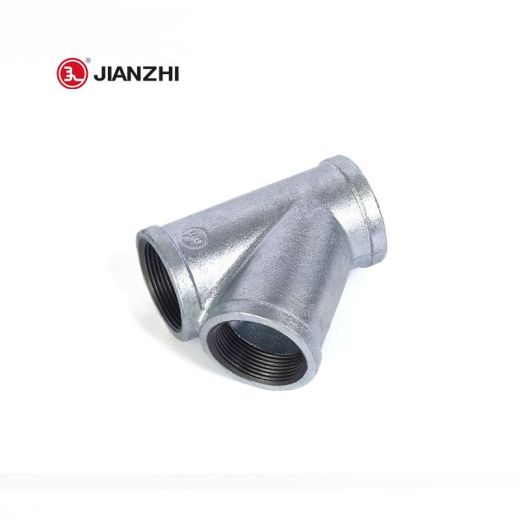
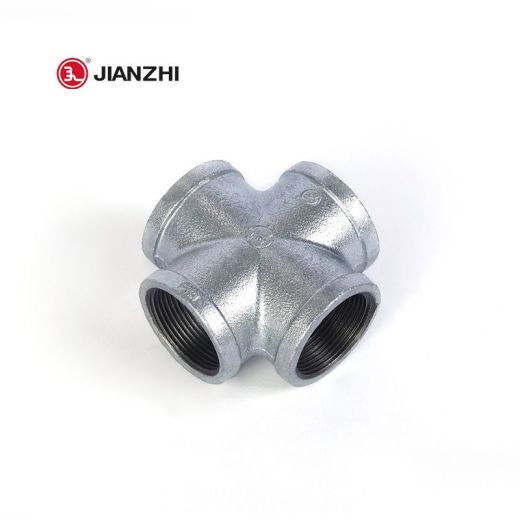
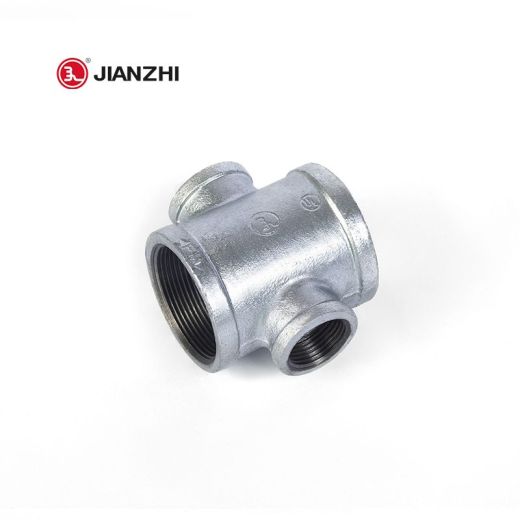
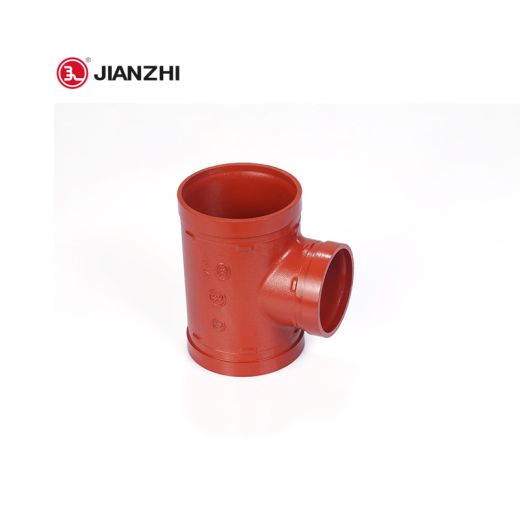
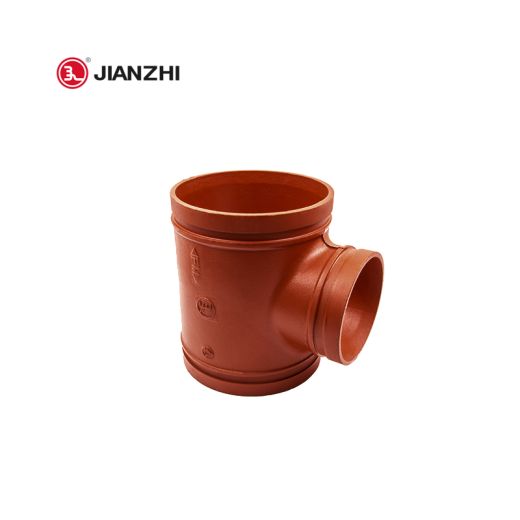
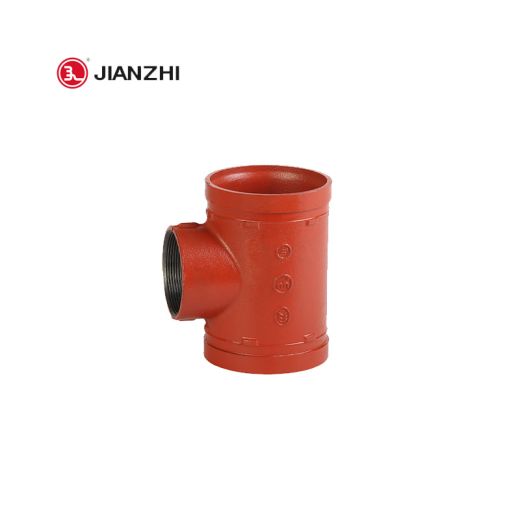
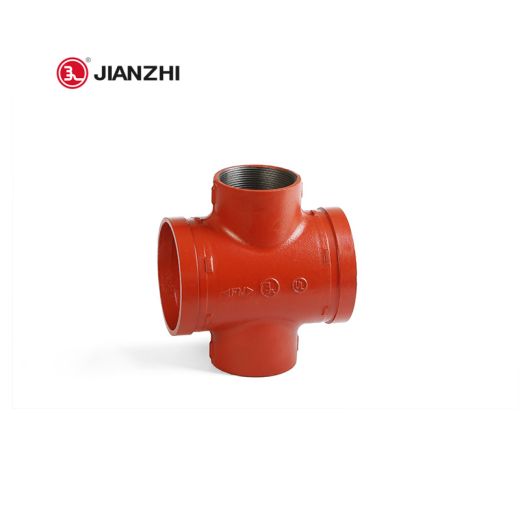
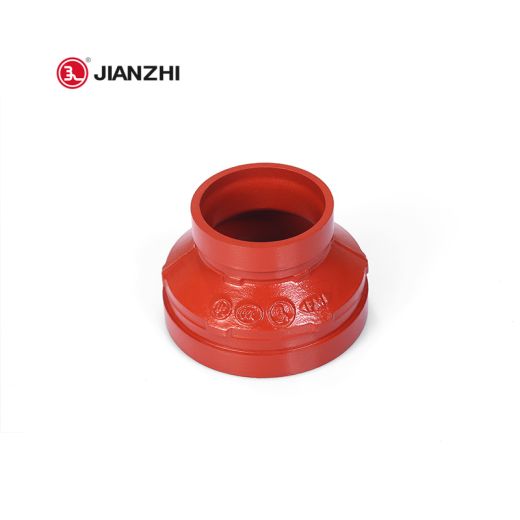
When you need to branch off the main gas supply line to feed a specific appliance, you will primarily use a pipe tee. Depending on the volume and pressure of gas the specific appliance requires, choosing the correct fitting is critical. If you are a contractor planning a gas layout, understanding the difference between an equal tee and a reducing tee is essential for maintaining proper gas pressure across the entire pipeline network.
Gas systems carry inherent fire risks. Plastic pipes (like PVC or PEX) will melt rapidly in the event of a building fire, releasing more fuel into the flames.
Malleable iron, on the other hand, can withstand extreme temperatures (melting point above 1,200°C / 2,190°F). In emergency situations, a malleable iron gas line will hold its structural integrity far longer than almost any other common plumbing material, providing crucial time for safety shut-offs.
A common question in the plumbing industry is: Can I use galvanized iron for gas?
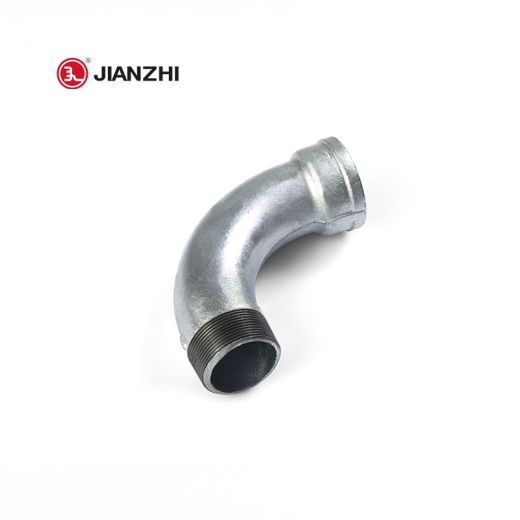
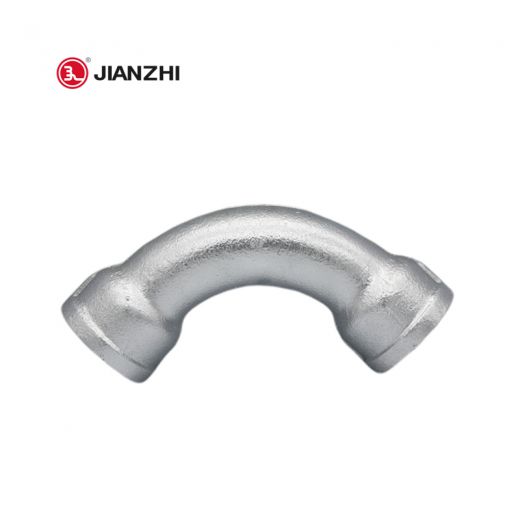
The answer is no. While both are malleable iron, galvanized fittings are coated with zinc to prevent rust in water systems. However, the natural gas passing through the pipes can cause the zinc coating to flake off over time. These small zinc flakes can travel through the pipeline and clog the tiny orifices in gas appliance valves, leading to equipment failure.
Black malleable iron (uncoated) is treated only with a light anti-rust oil, making it the perfect, clean conduit for natural gas and propane.
Choosing the right material is step one; choosing the right manufacturer is step two. At [Your Company Name], we specialize in manufacturing premium black malleable iron pipe fittings designed specifically for the rigorous demands of gas and plumbing systems.
100% Air Pressure Tested before leaving the factory.
Strict Quality Control meeting ASTM, ASME, and ISO standards.
Direct Factory Wholesale Pricing for distributors and engineering projects.
Ensure the safety of your next gas pipeline project with our top-tier fittings.
→ Download Our Full Black Pipe Fittings Catalog
→ Contact Us for a Bulk Custom Quote Today
Products Category
Products
News
Related Information
SAFER
PRODUCT INFO
ABOUT JIANZHI
TECH DATA
Contact Us
E-mail: sales1@jianzhi-fitting.com
Tel: +86 15822792427
Office In Tianjin:
Heping District, Tianjin, China.
Production Base 1:
Chifeng, Inner Mongolia, China.
Production Base 2:
Tangshan City, Hebei Province, China.
Production Base 3:
Schelei Street,Baicoi City,Prahova County,Romania