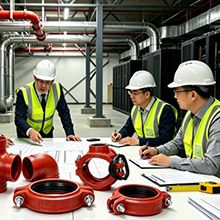
The five main types of pipes commonly used in building, plumbing, and industrial applications are PVC, copper, PEX, HDPE, and galvanized steel. Each pipe material has different advantages, limitations, and suitable applications.
However, choosing a pipe is only part of designing or sourcing a piping system. The right pipe fitting must also match the pipe material, size, connection method, pressure requirements, and application. Common pipe fitting types include elbows, tees, couplings, reducers, unions, crosses, nipples, caps, and plugs.
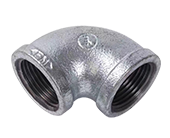
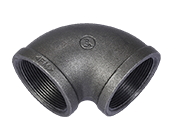
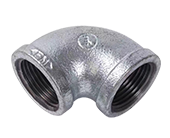
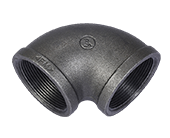
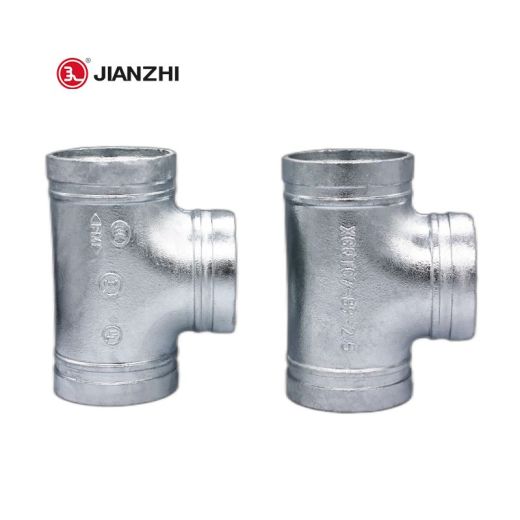
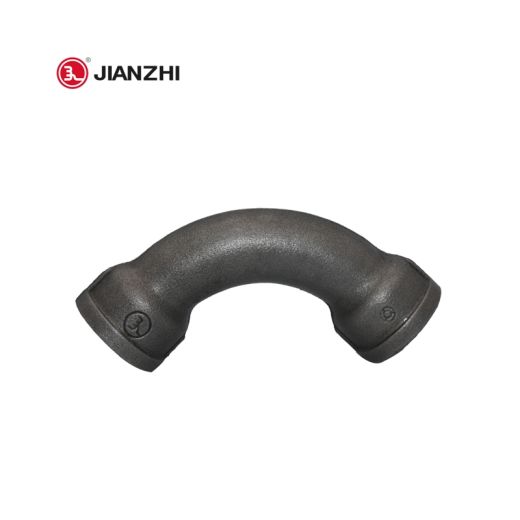
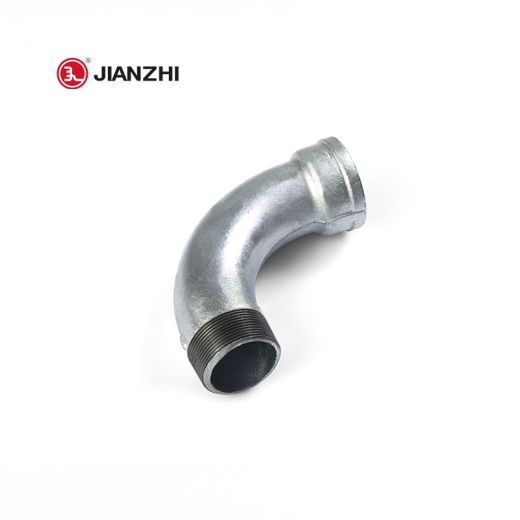
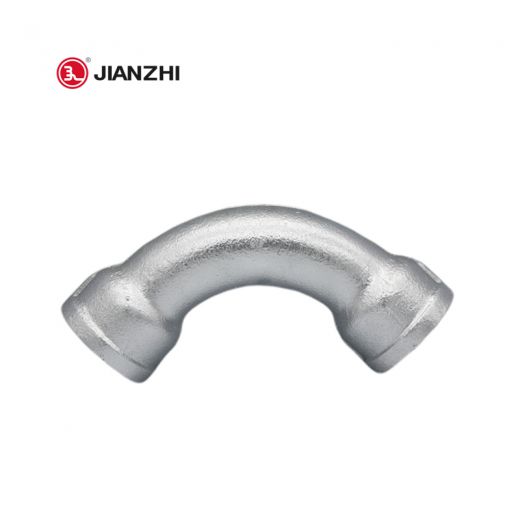
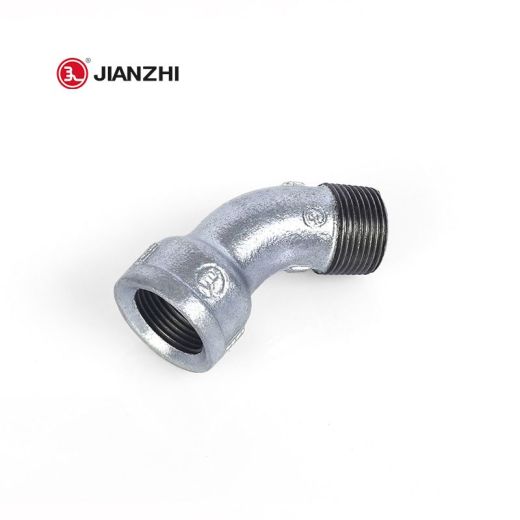
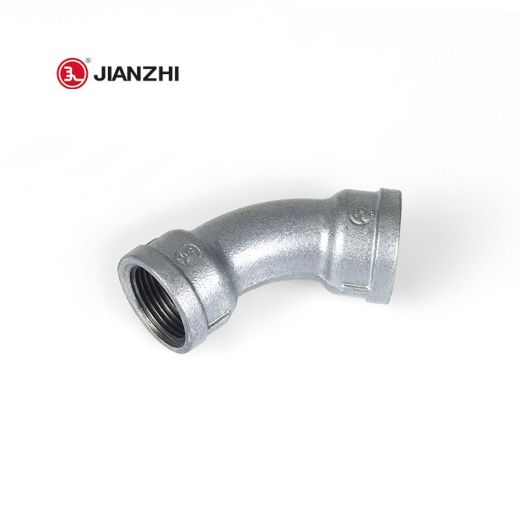
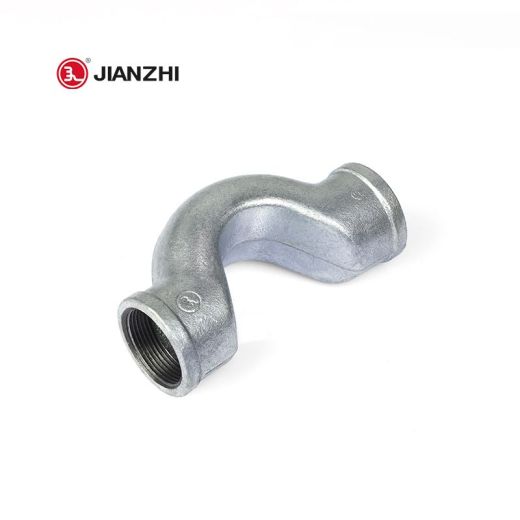
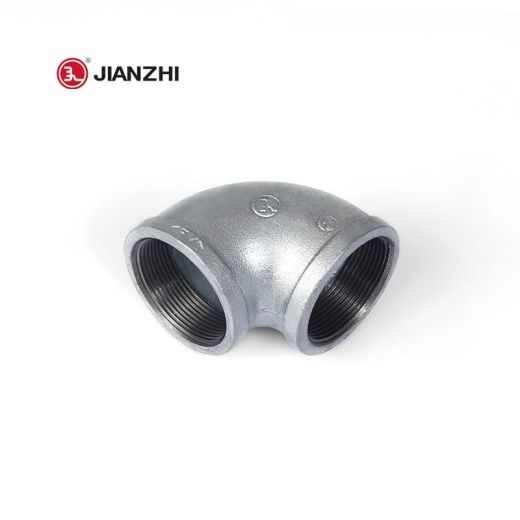
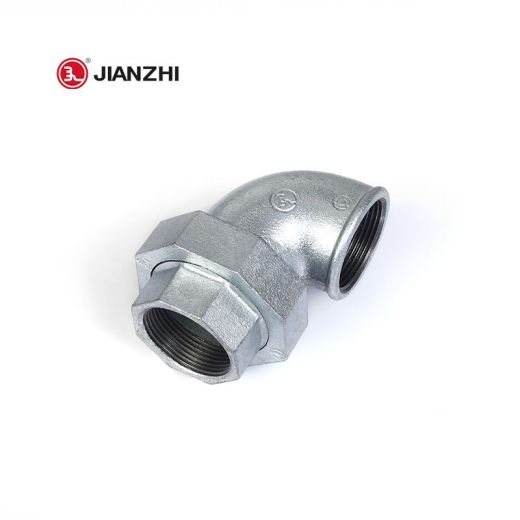
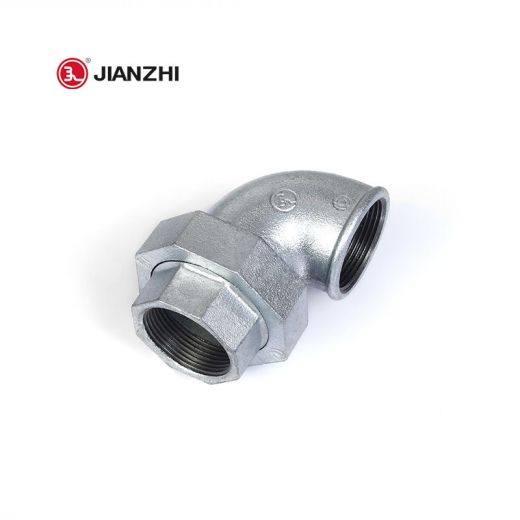
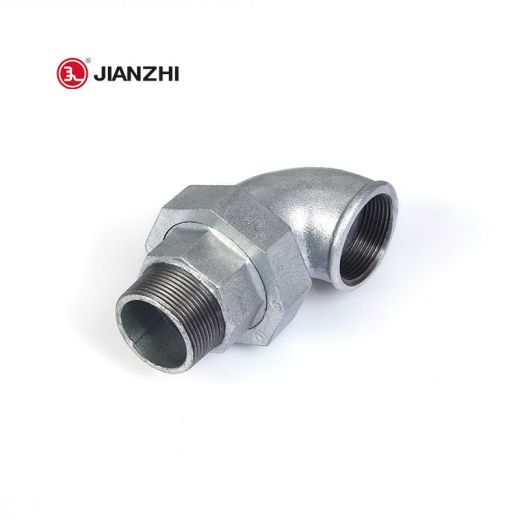
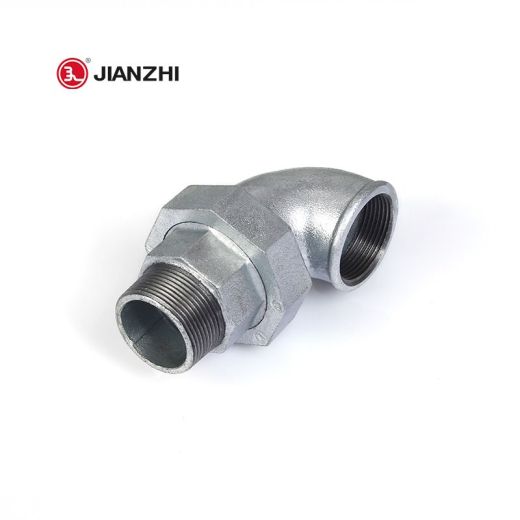
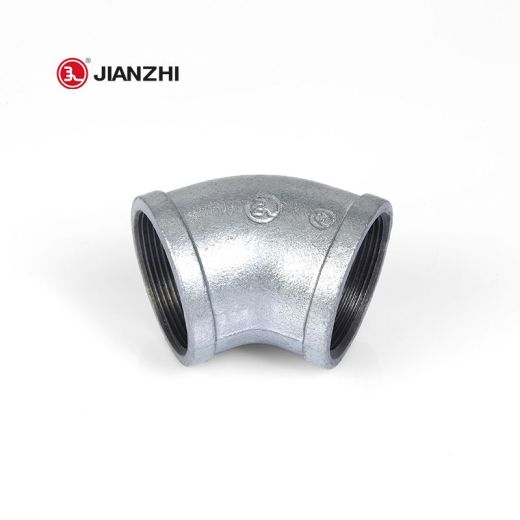
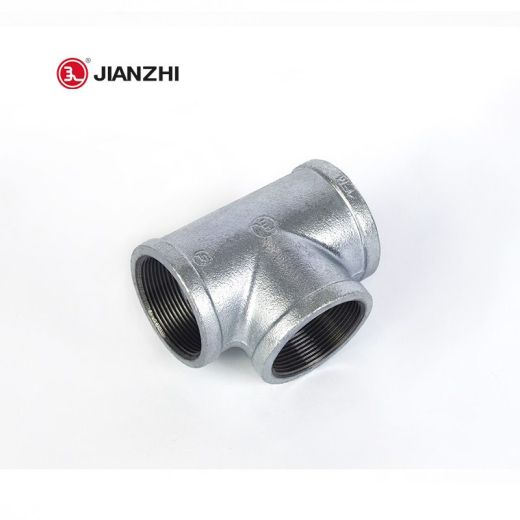
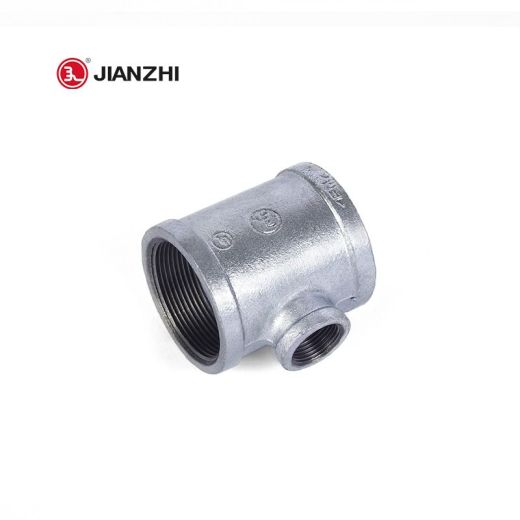
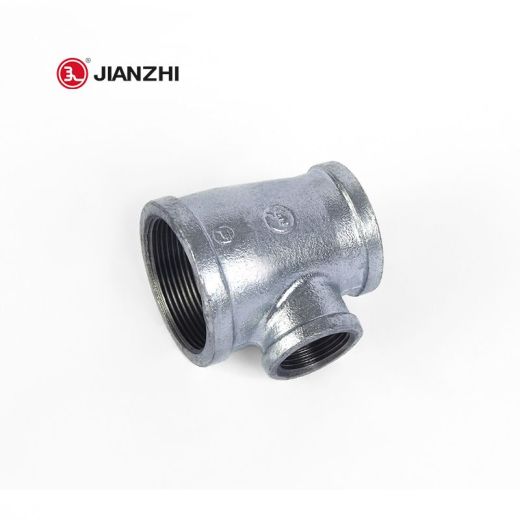
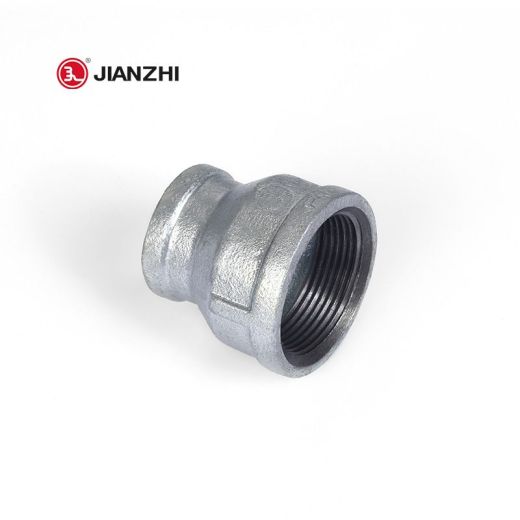
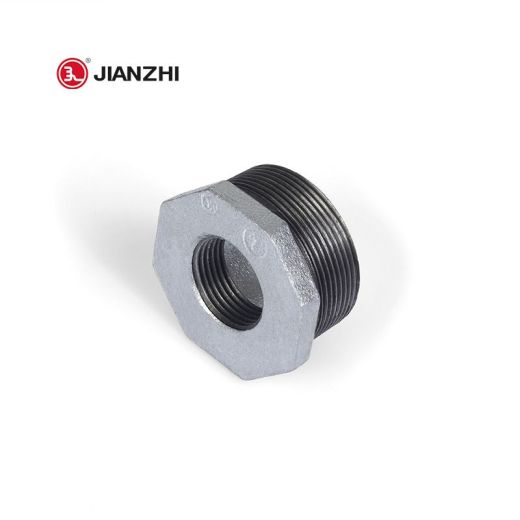
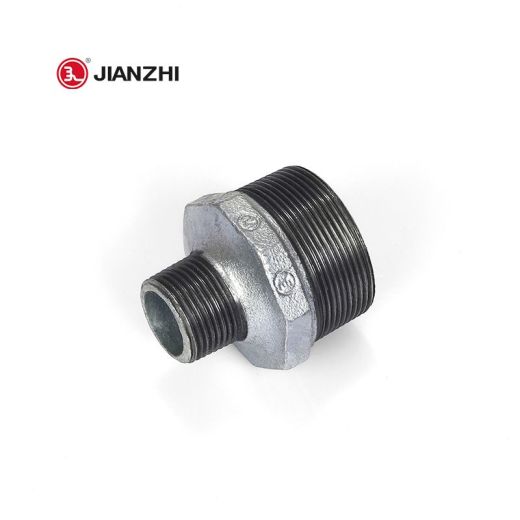
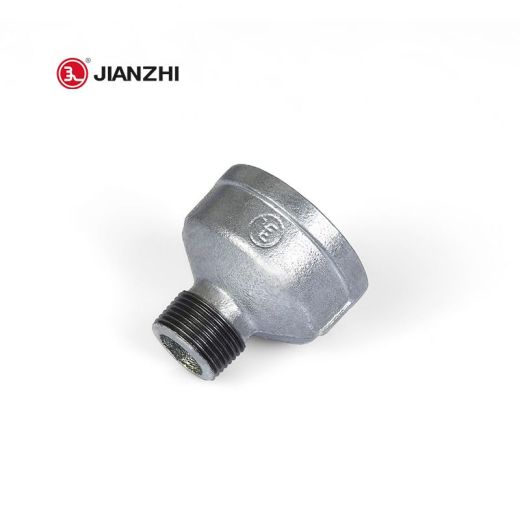
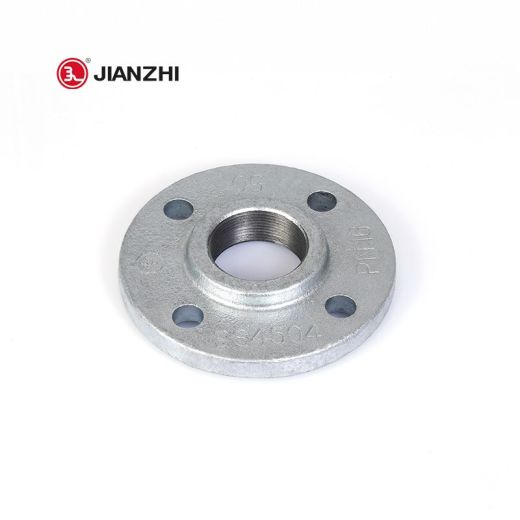
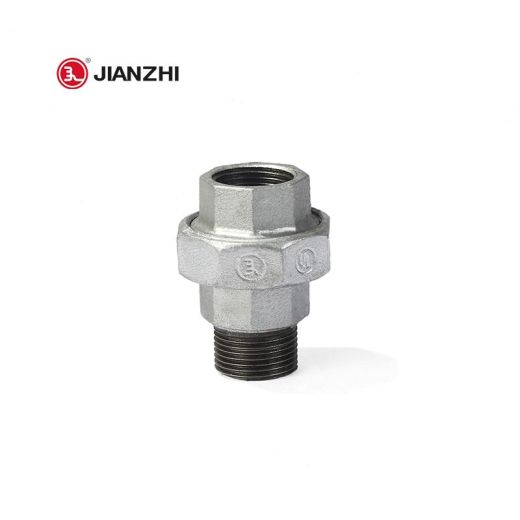
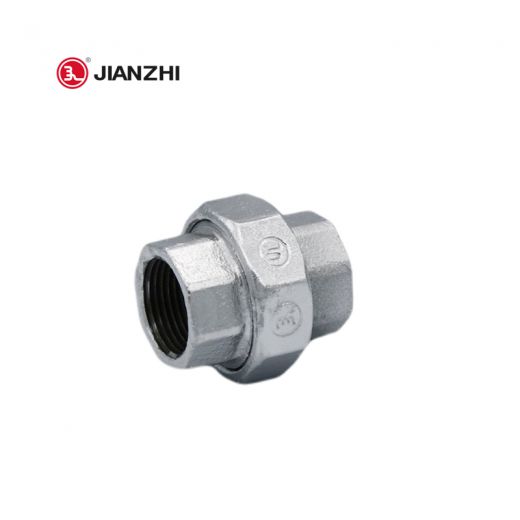
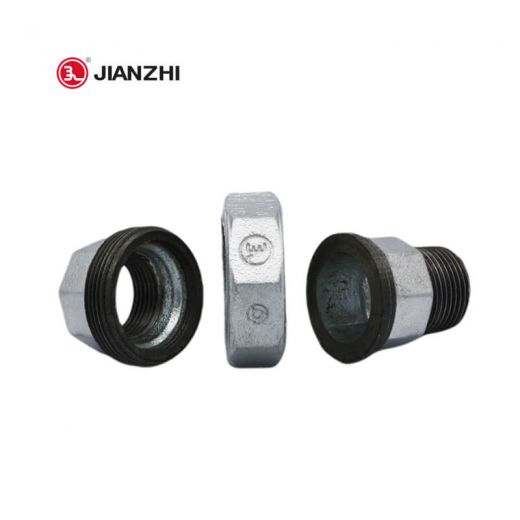
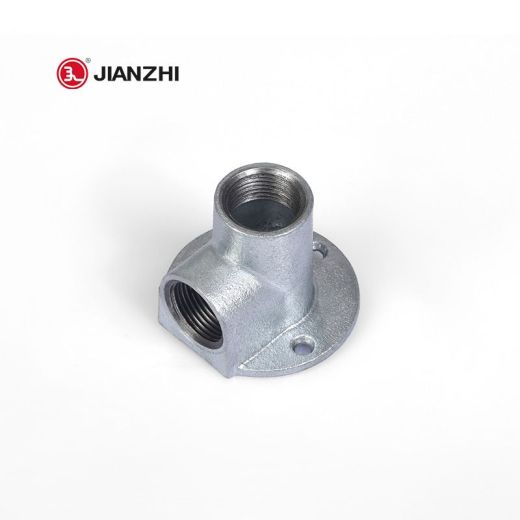
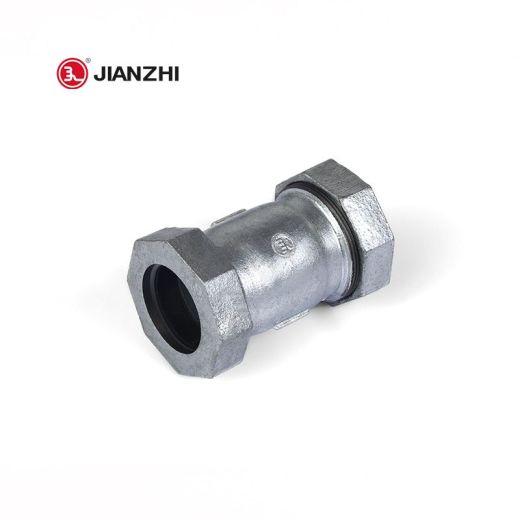
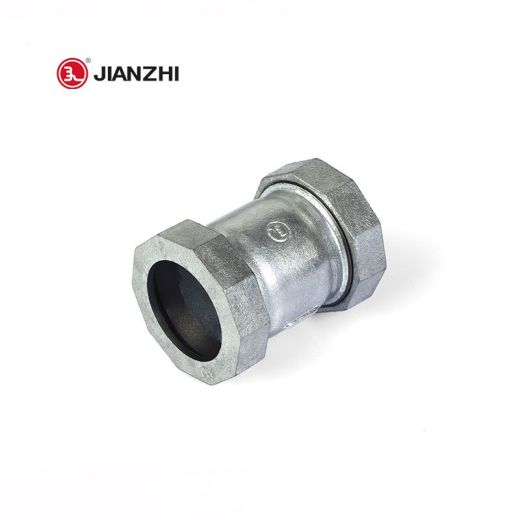
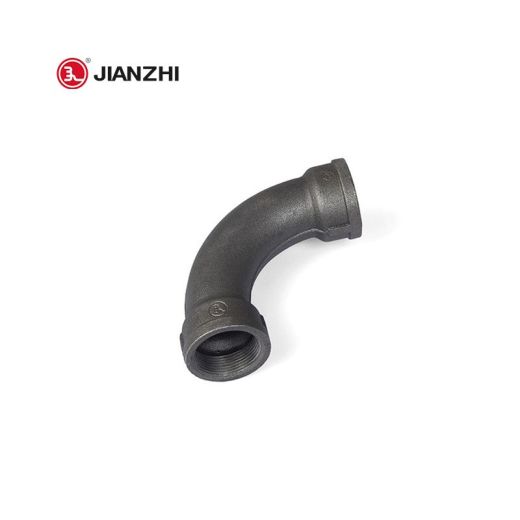
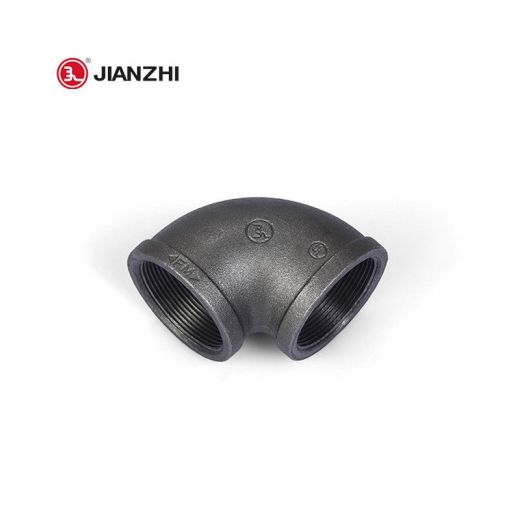
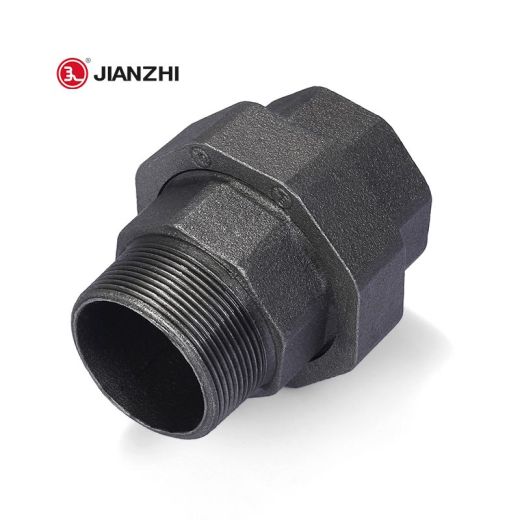
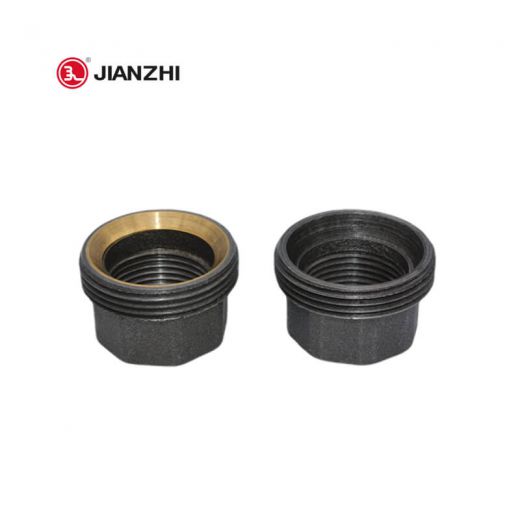
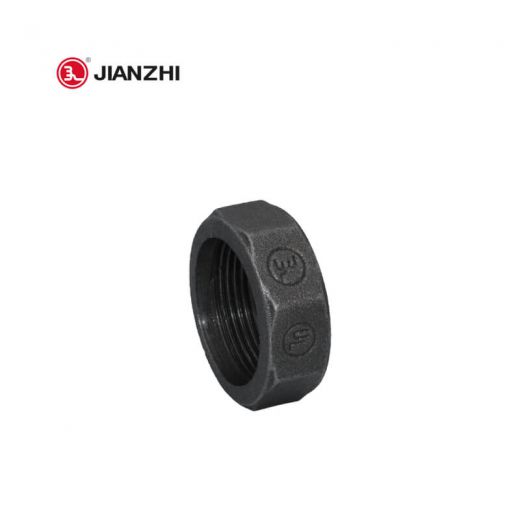
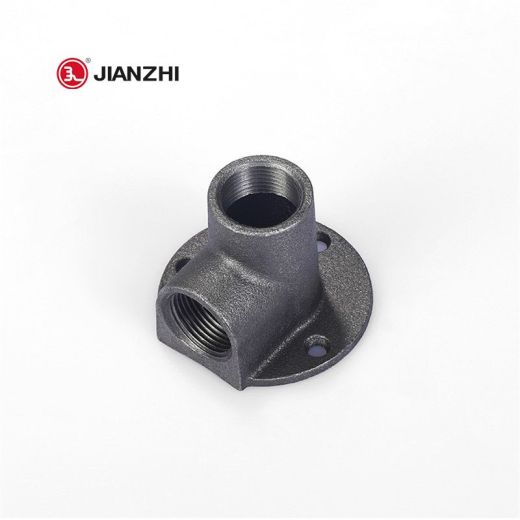
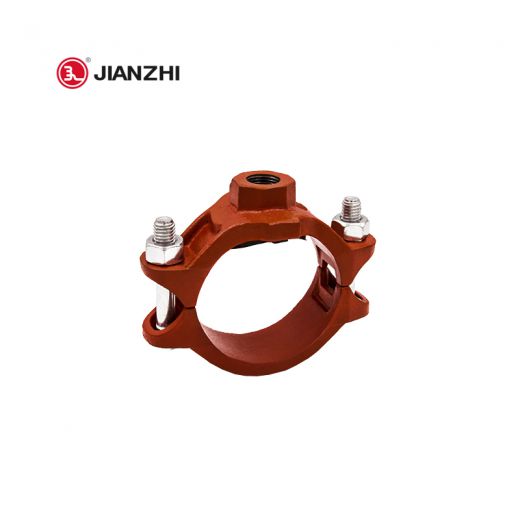
For galvanized steel and other threaded steel piping systems, malleable iron pipe fittings are widely used to create reliable threaded connections. JIANZHI supplies black and galvanized malleable iron fittings for plumbing, water, gas, fire protection, and industrial piping applications.
| Pipe Type | Main Advantages | Common Applications | Typical Fittings |
|---|---|---|---|
| PVC Pipe | Lightweight, corrosion resistant, affordable | Water supply, drainage, sewage | PVC elbows, tees, couplings |
| Copper Pipe | Durable, heat resistant | Plumbing, HVAC, hot water | Copper elbows, tees, adapters |
| PEX Pipe | Flexible, easy to install | Residential plumbing, heating | PEX fittings, adapters |
| HDPE Pipe | Corrosion resistant, impact resistant | Water, drainage, gas | HDPE fusion fittings |
| Galvanized Steel Pipe | Strong, durable, corrosion resistant | Water, fire protection, industrial piping | Threaded malleable iron fittings |
The best pipe material depends on the fluid being transported, operating conditions, installation environment, required service life, and project budget. The five pipe types below are commonly found in residential, commercial, and industrial piping systems.
PVC (polyvinyl chloride) pipe is a lightweight plastic pipe known for its corrosion resistance, relatively low cost, and ease of installation. It is commonly used for cold-water supply, drainage, wastewater, and other applications where high temperature resistance is not the primary requirement.
PVC is easy to cut and connect, making it popular in residential and commercial construction. However, its temperature and mechanical limitations should be considered when selecting it for a specific piping system.
Common applications: water supply, drainage, wastewater, irrigation, and low-temperature piping systems.
Copper pipe is a durable metal piping material with good corrosion resistance and heat tolerance. It has long been used in plumbing, hot-water systems, heating, refrigeration, and HVAC applications.
Copper is valued for its long service life and reliability, although its material cost is generally higher than many plastic alternatives. The appropriate connection method, pipe size, and operating conditions should be considered before installation.
Common applications: potable water, hot-water supply, HVAC, refrigeration, and heating systems.
PEX (cross-linked polyethylene) pipe is a flexible plastic pipe widely used in modern plumbing and heating systems. Its flexibility allows installers to route pipe through confined spaces with fewer connections, which can simplify installation.
PEX is commonly selected for residential water distribution and hydronic heating. However, the fitting and connection system should be compatible with the specific PEX pipe and application.
Common applications: residential plumbing, hot and cold water distribution, radiant floor heating, and hydronic systems.
HDPE (high-density polyethylene) pipe combines flexibility, impact resistance, and good resistance to corrosion and many chemicals. It is commonly used for underground water, drainage, wastewater, and gas distribution applications.
Because HDPE can be joined using heat-fusion methods, it can provide long continuous sections with fewer mechanical joints. Installation requirements and joining procedures should be considered when specifying HDPE piping.
Common applications: water supply, wastewater, drainage, underground piping, and gas distribution.
Galvanized steel pipe is steel pipe coated with a layer of zinc to improve corrosion resistance. It provides greater mechanical strength than many plastic pipe materials and has traditionally been used in water supply, plumbing, and fire protection applications.
Galvanized steel pipe is commonly connected using threaded fittings. For these systems, selecting fittings with compatible dimensions, thread standards, and material characteristics is essential for creating a reliable connection.
Common applications: plumbing, water distribution, fire protection, gas-related piping applications where permitted, and industrial piping systems.
When selecting a pipe material, buyers should consider more than the initial material cost. Pipe compatibility, fitting availability, connection method, pressure and temperature requirements, installation conditions, and applicable standards can all affect the total cost and long-term performance of a piping system.
| Pipe Type | Main Advantages | Common Applications | Common Connection/Fitting Options |
|---|---|---|---|
| PVC | Lightweight, corrosion resistant, economical | Water, drainage, wastewater | PVC fittings, adapters |
| Copper | Durable, heat resistant, reliable | Plumbing, hot water, HVAC | Copper fittings, adapters |
| PEX | Flexible, easy to install | Residential plumbing, heating | PEX fittings, adapters |
| HDPE | Flexible, impact resistant, corrosion resistant | Water, drainage, gas | Fusion fittings, transition fittings |
| Galvanized Steel | Strong, durable, corrosion resistant | Plumbing, water, fire protection | Threaded malleable iron fittings |
The fitting and connection system should always be selected according to the pipe material, dimensions, application, and operating conditions.
Pipe fittings are components used to connect pipes, change the direction of a pipeline, create branches, change pipe size, or close the end of a pipe. The fitting type should be selected according to the pipe material, nominal size, connection method, pressure requirements, and intended application.
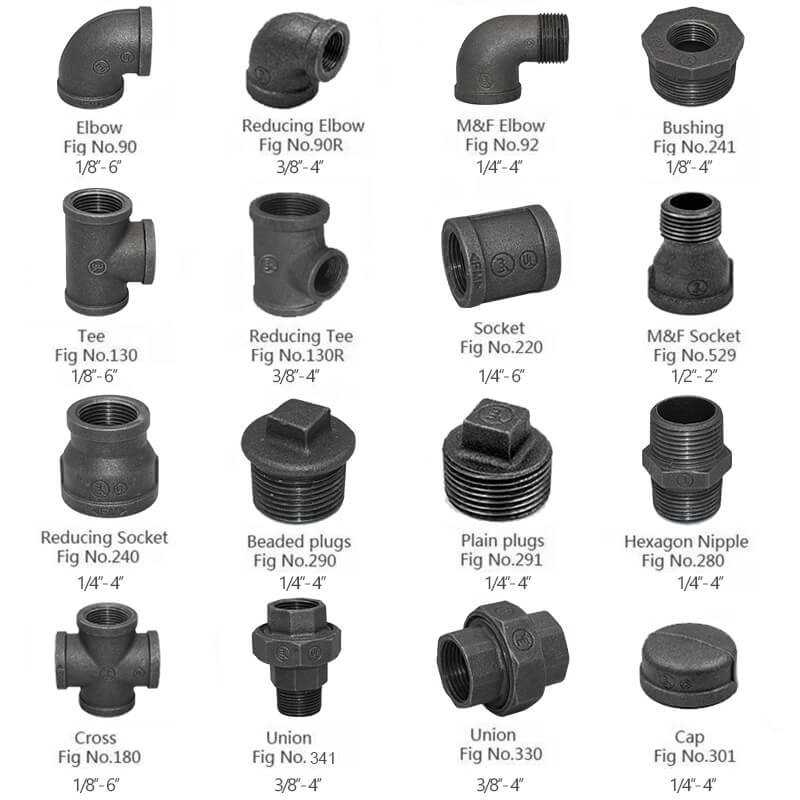
The most common pipe fitting types include elbows, tees, couplings, reducers, unions, crosses, nipples, caps, and plugs.
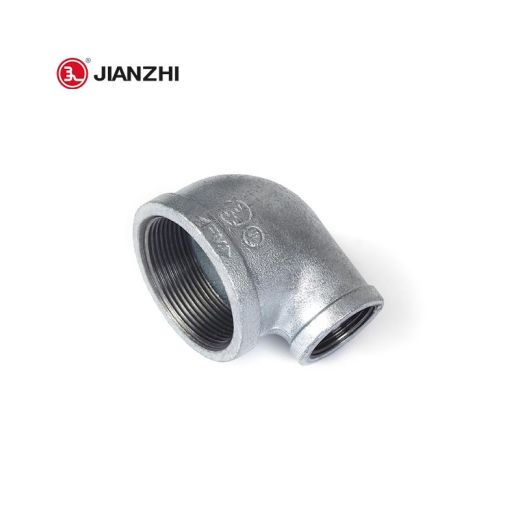
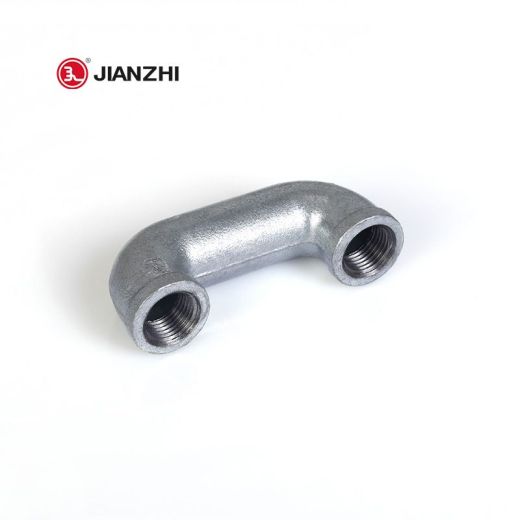
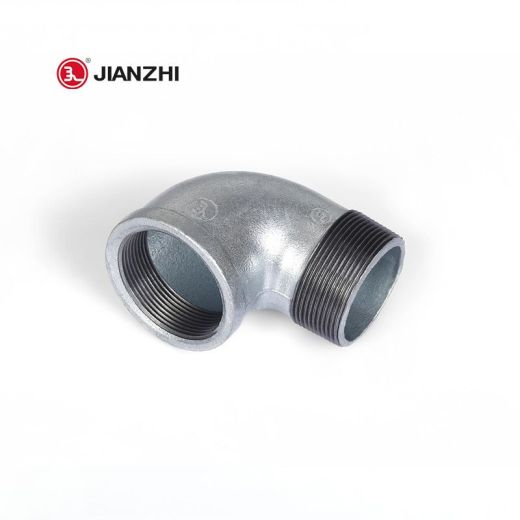
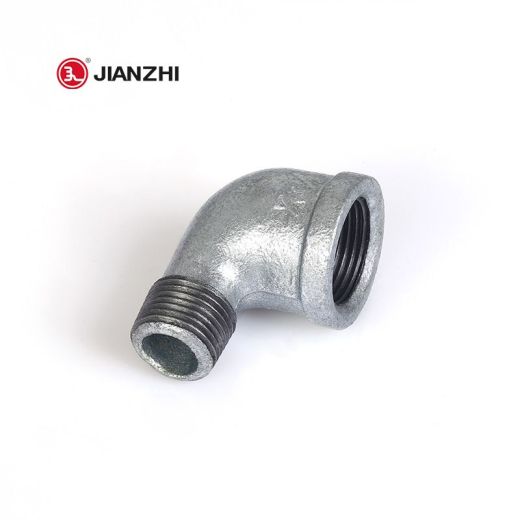
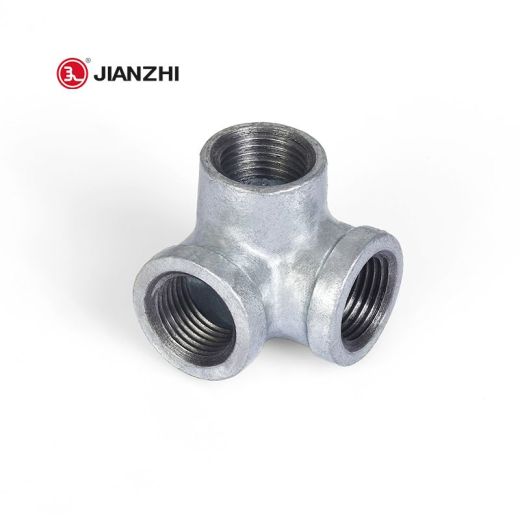
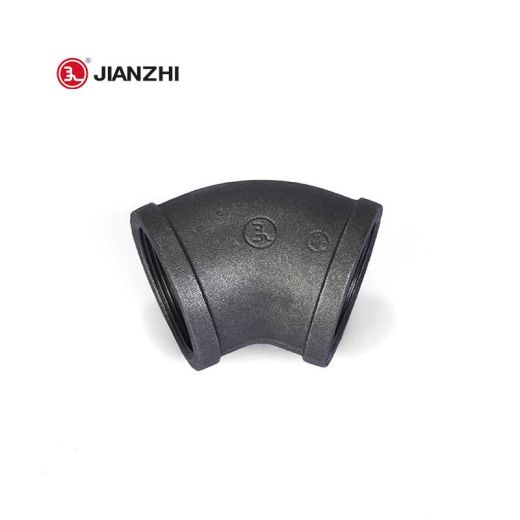
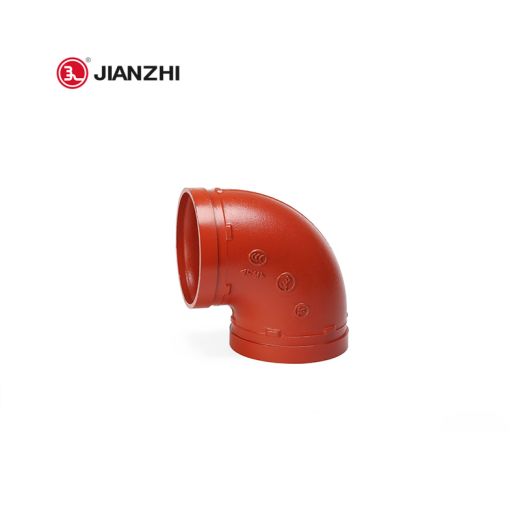
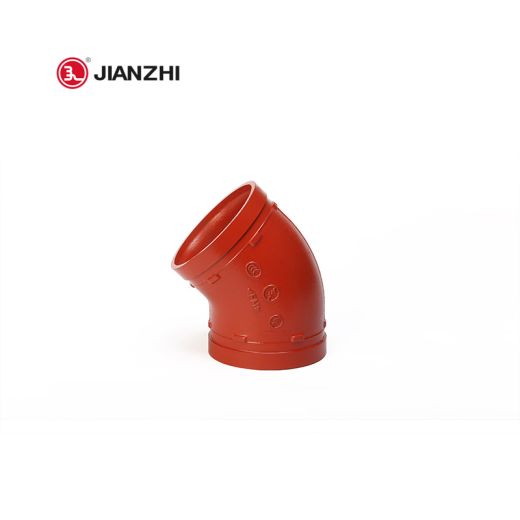
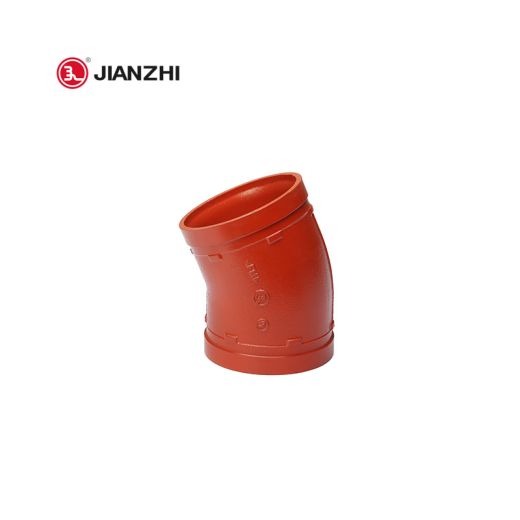
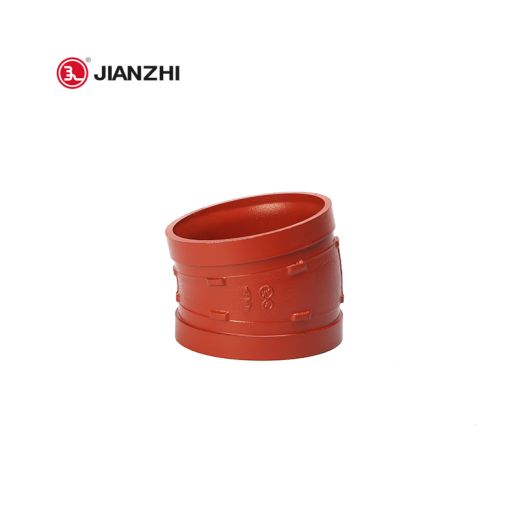
Elbows change the direction of a piping system. The most common configurations are 45-degree and 90-degree elbows, although other angles are available for specific applications.
Elbows are used when a pipeline needs to change direction while maintaining a continuous flow path. Threaded elbows are commonly used in smaller piping systems where threaded connections are suitable.
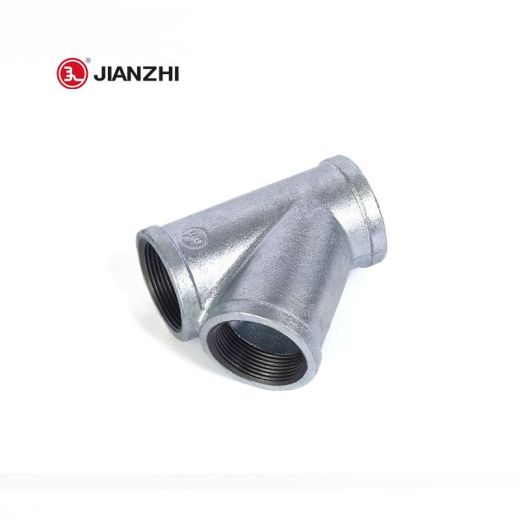
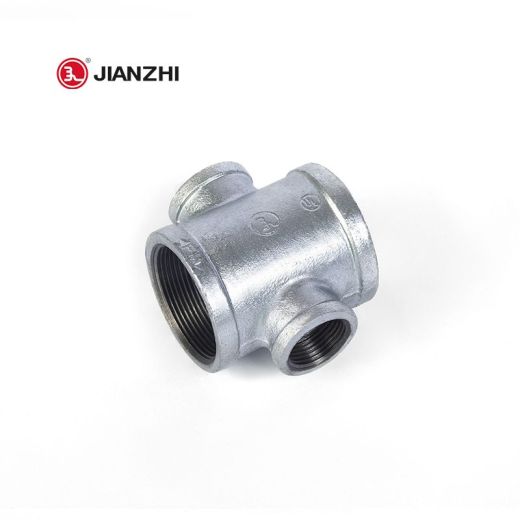
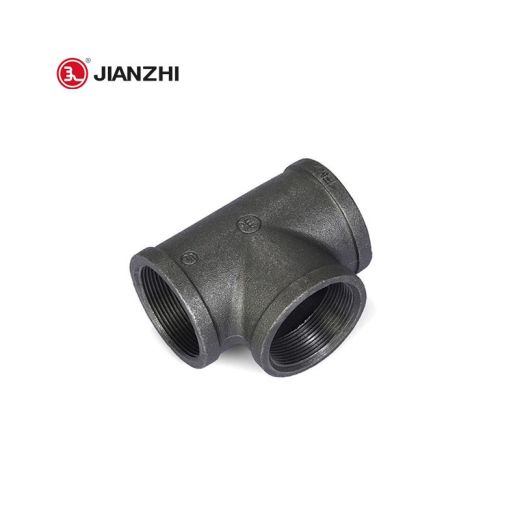
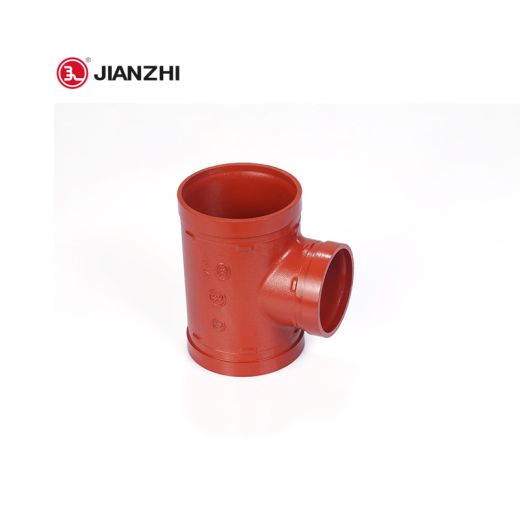
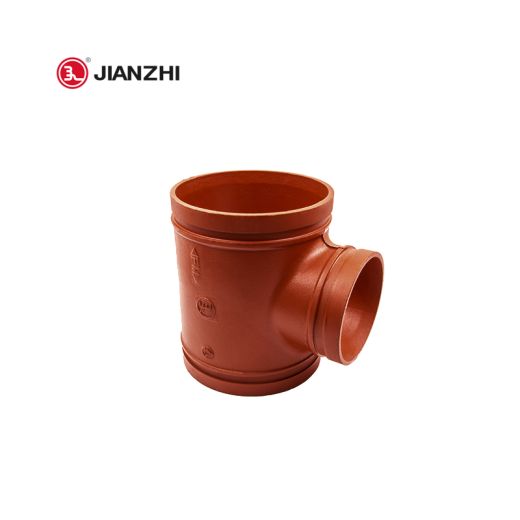
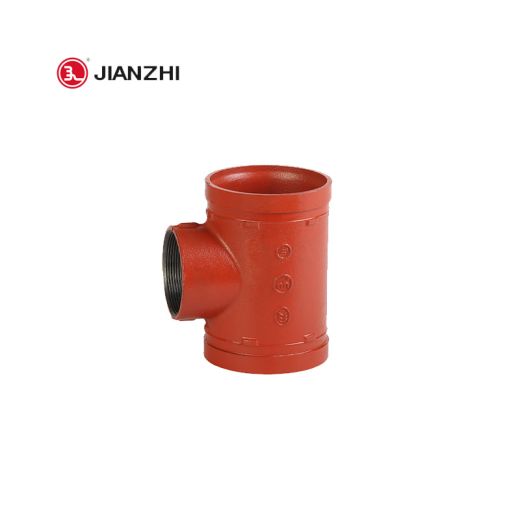
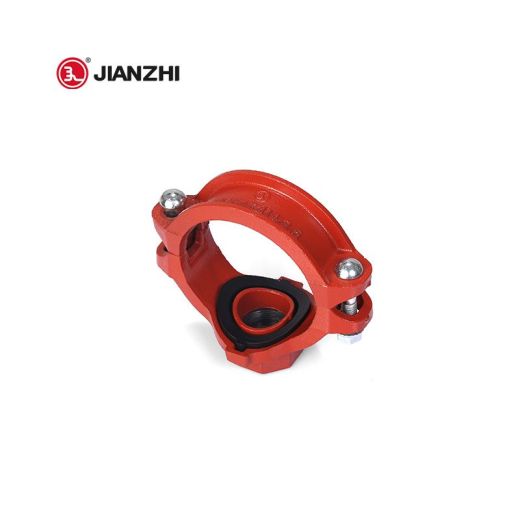
Tees are used to create a branch from a main pipeline. An equal tee has three connections of the same nominal size, while a reducing tee has a smaller branch connection.
Tees are commonly used in water distribution, plumbing, gas-related piping, and industrial systems where a branch connection is required.
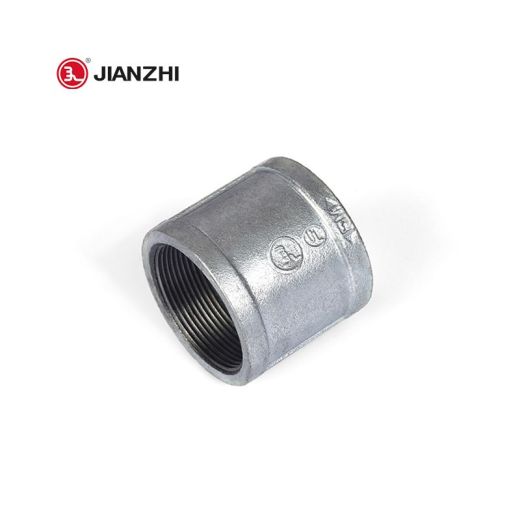
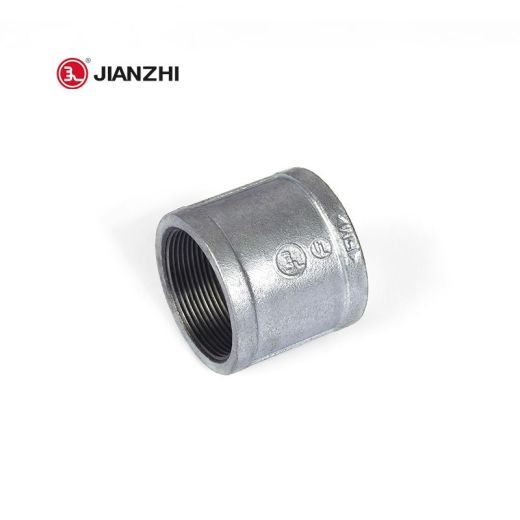
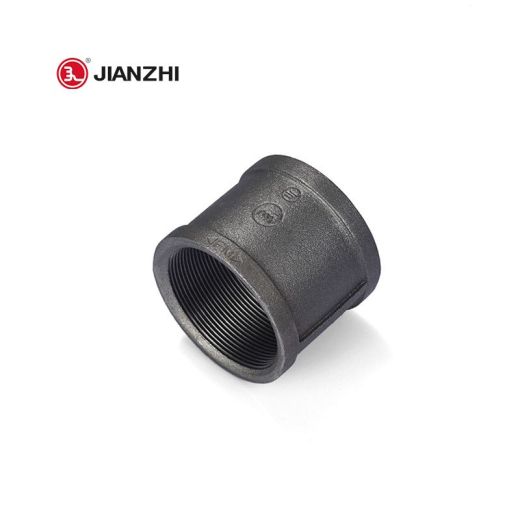
Couplings connect two pipe sections in a straight line. They are particularly useful when extending a pipeline or joining two sections with compatible connection types.
Threaded couplings are commonly used with threaded steel pipes and fittings. The thread standard and nominal size should be matched correctly before installation.
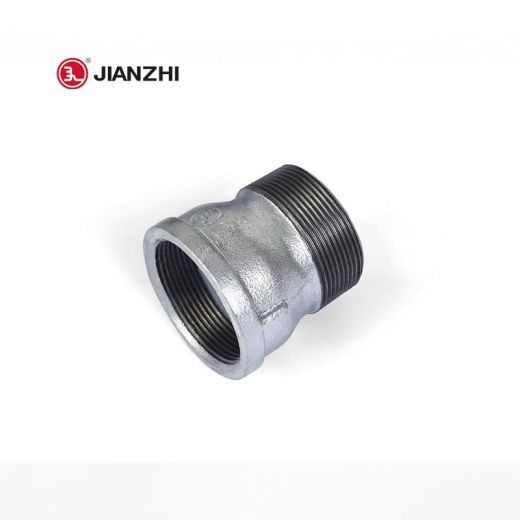
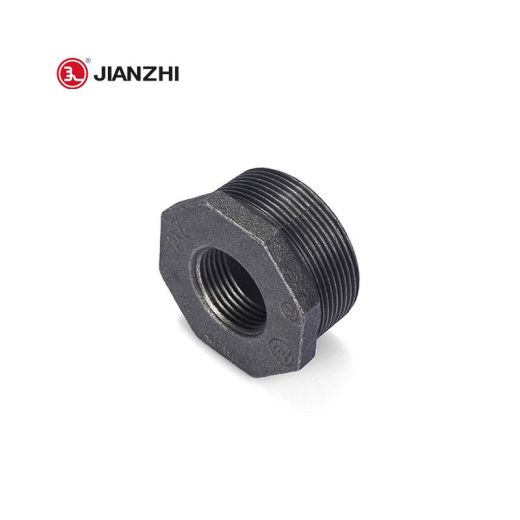
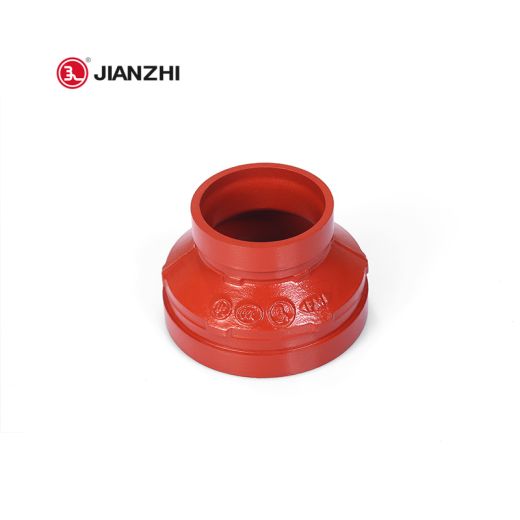
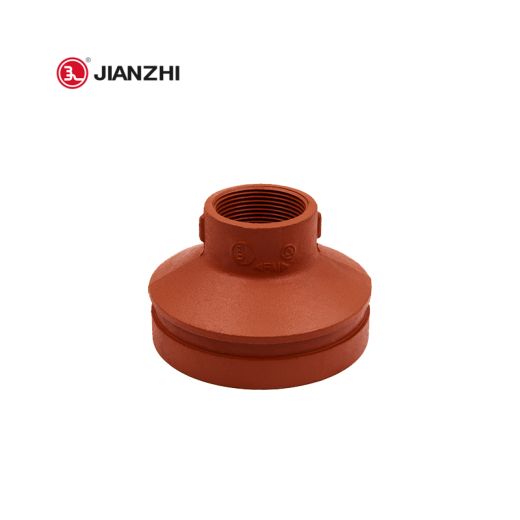
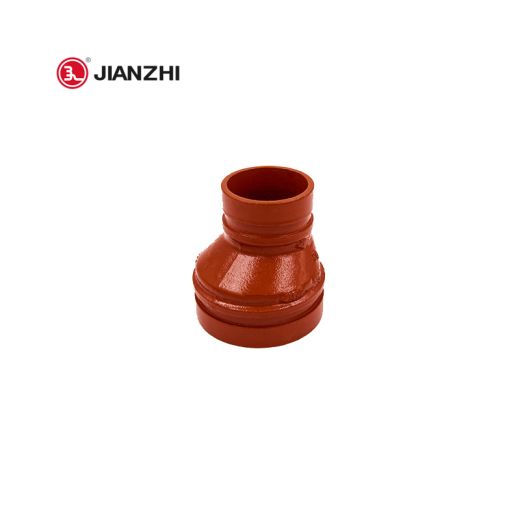
Reducers connect pipes or fittings with different nominal sizes. They provide a transition between a larger pipe and a smaller pipe within the same piping system.
Reducers are available in different configurations, including concentric and eccentric designs, depending on the requirements of the piping layout and application.
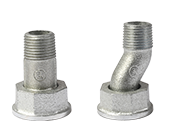
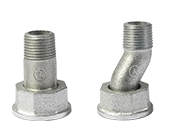
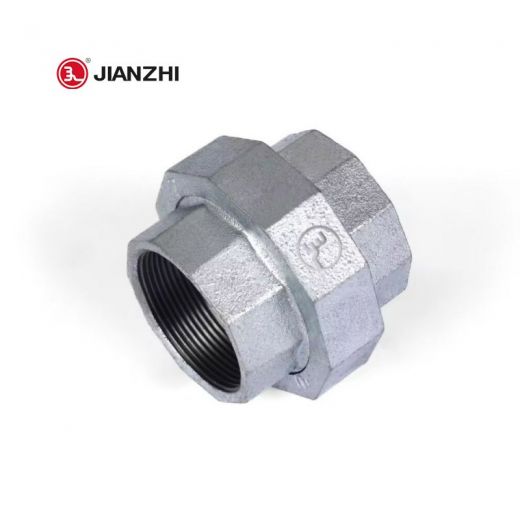
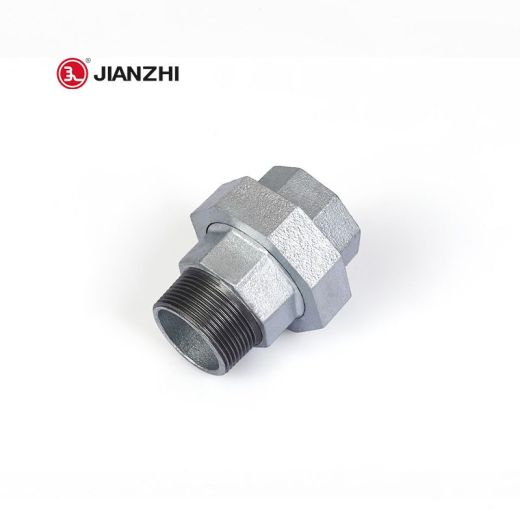
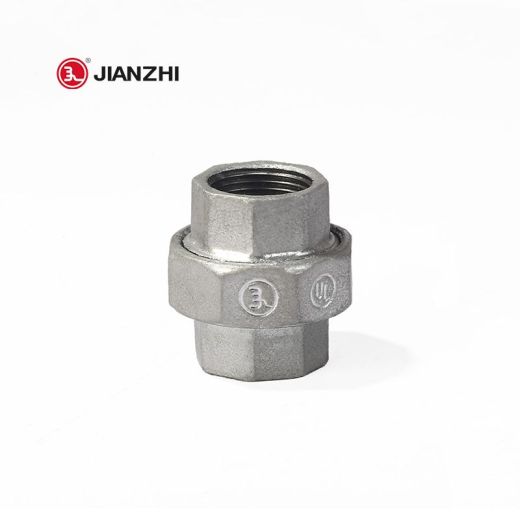
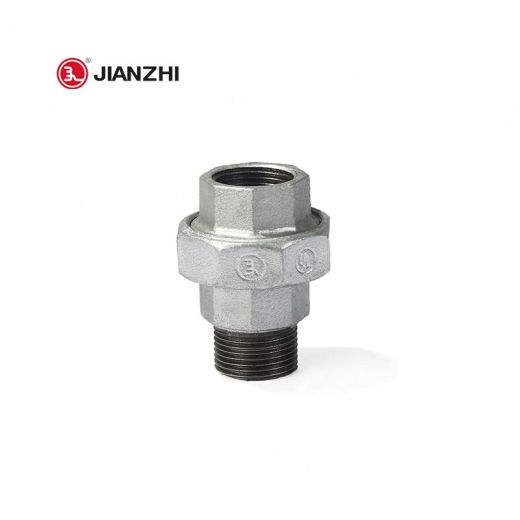
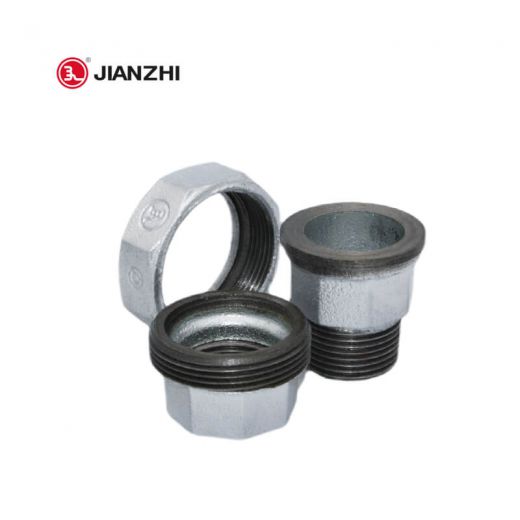
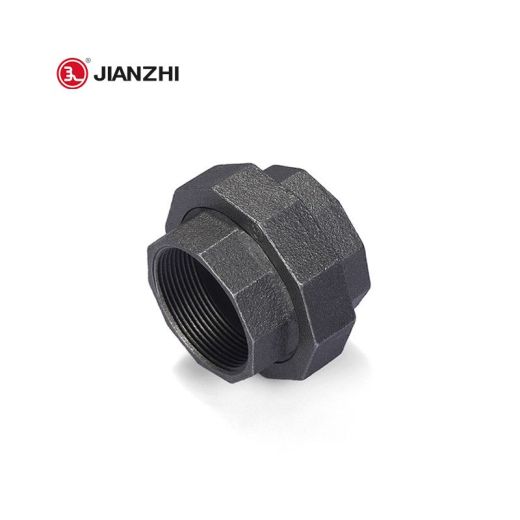
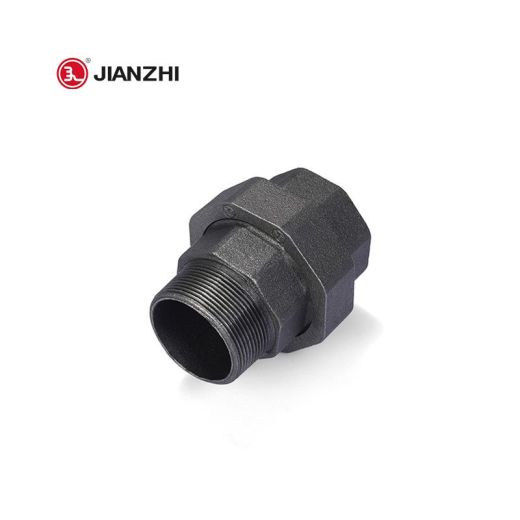
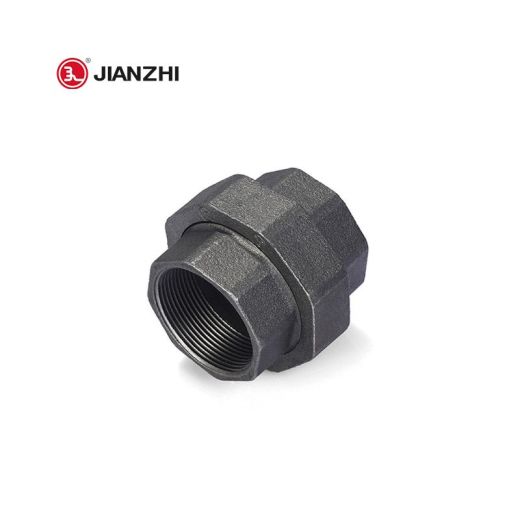
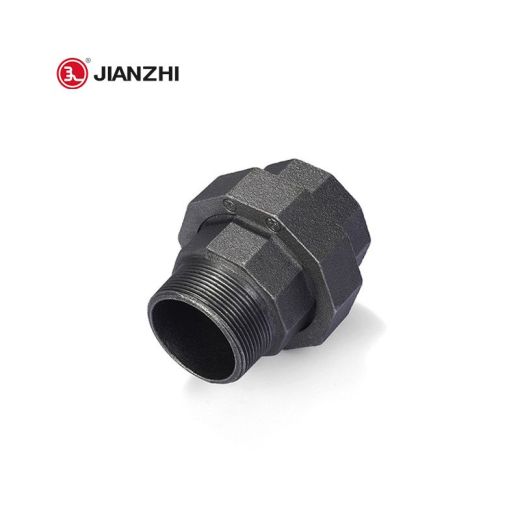
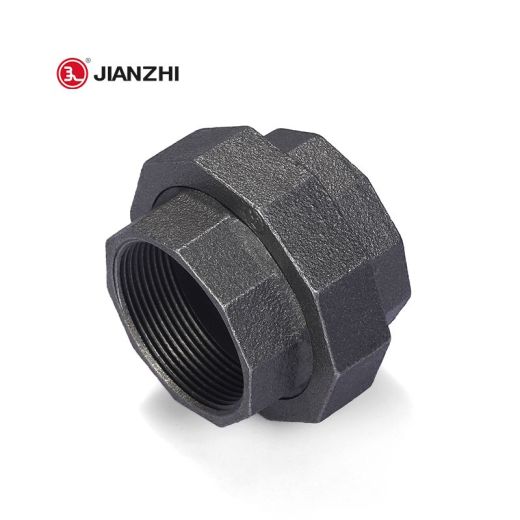
A union is a fitting designed to connect two sections of pipe while allowing the connection to be disconnected more easily than a permanent joint.
Unions are useful in applications where equipment, valves, or sections of a piping system may need to be removed for maintenance or replacement.
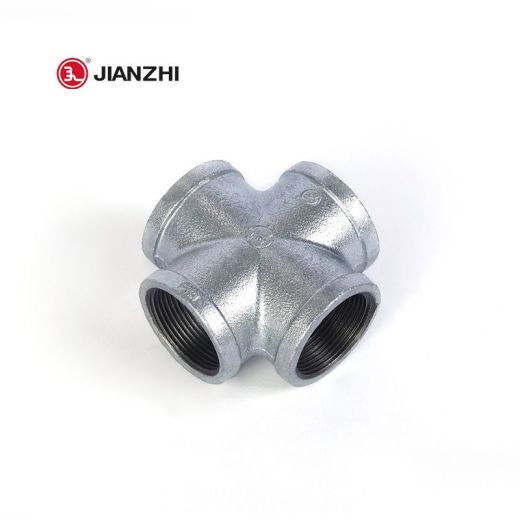
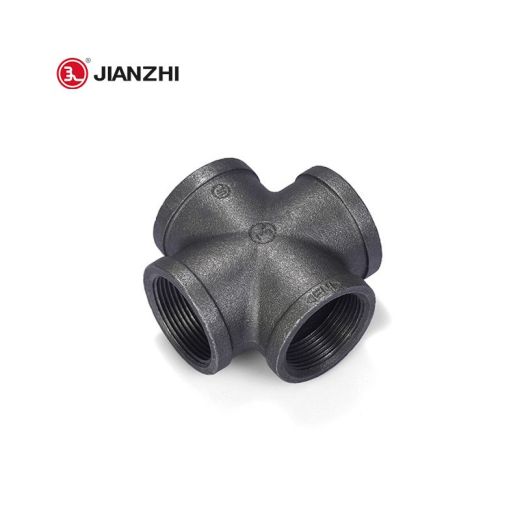
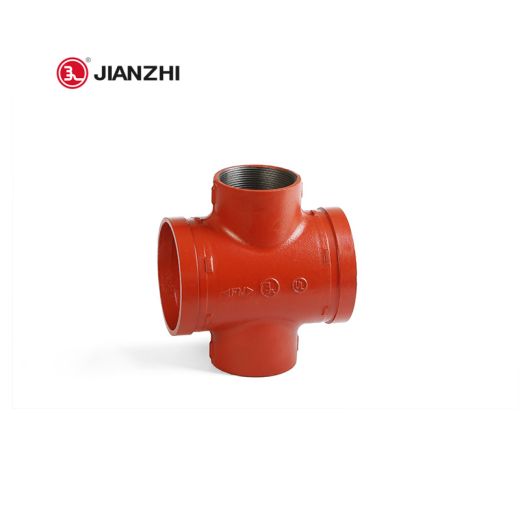
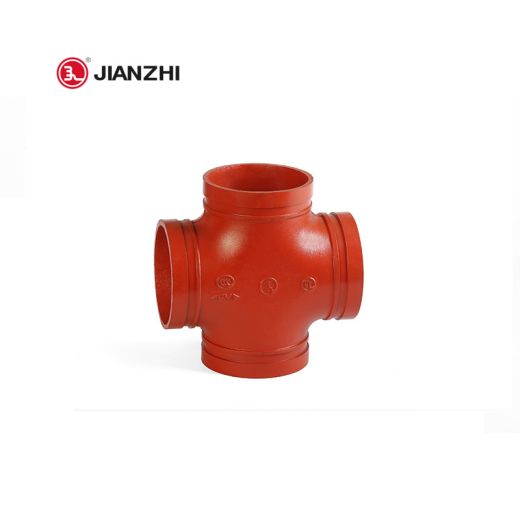
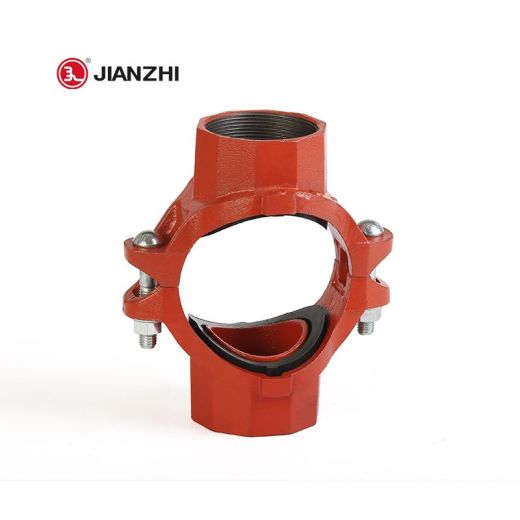
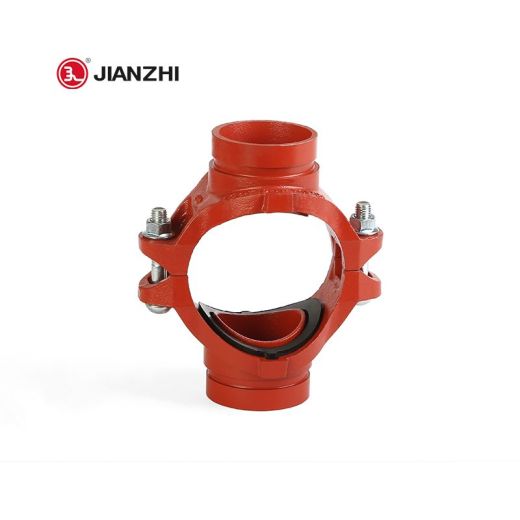
Cross fittings provide four connection points and can create multiple branches from a single location. They are used where the piping layout requires four-way connections.
The fitting size, connection type, and pressure requirements should be checked before selecting a cross fitting for a project.
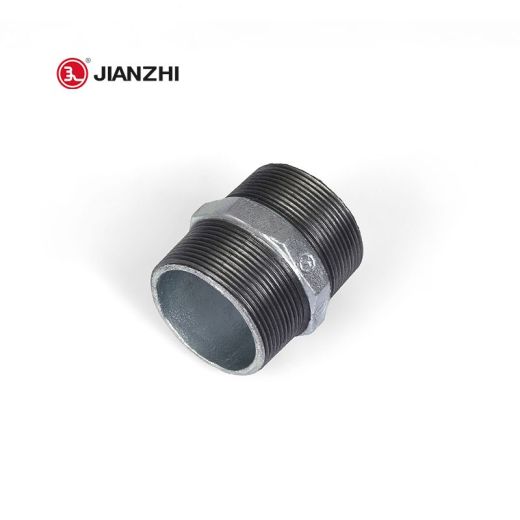
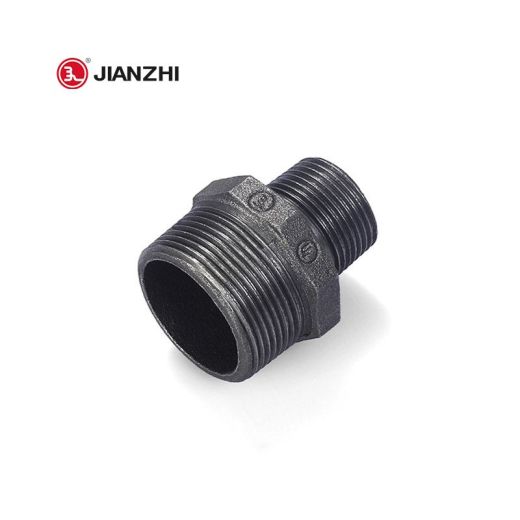
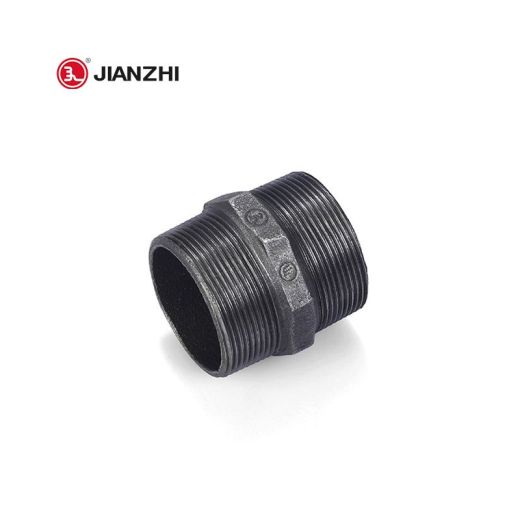
A pipe nipple is a short section of pipe, typically threaded at one or both ends, used to connect two fittings or other threaded components.
Common configurations include equal nipples and reducing nipples. Nipple dimensions and thread standards must be compatible with the fittings being connected.
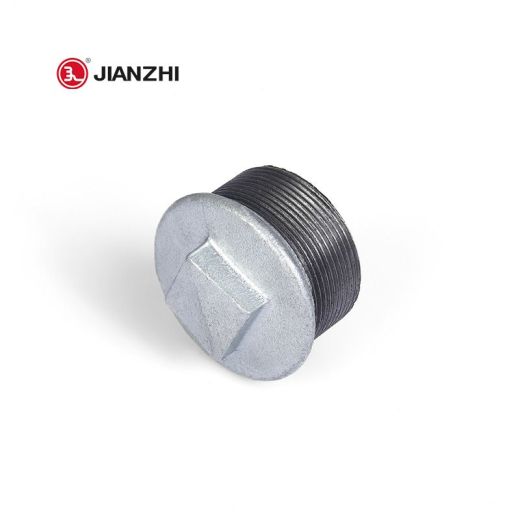
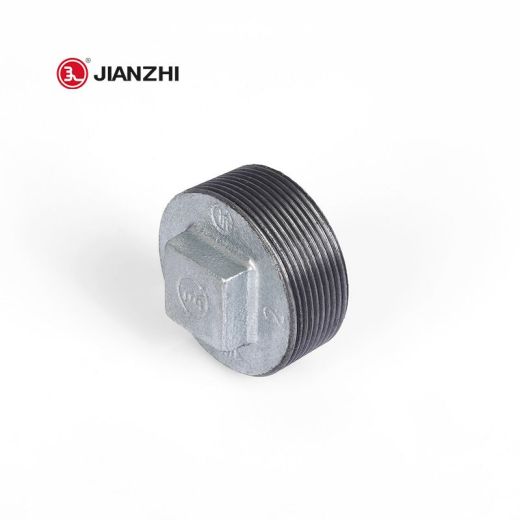
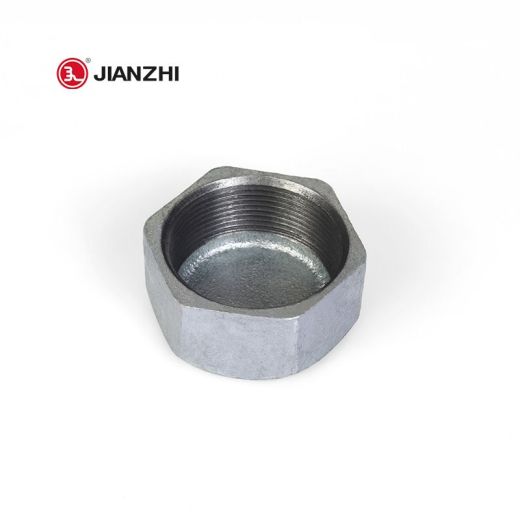
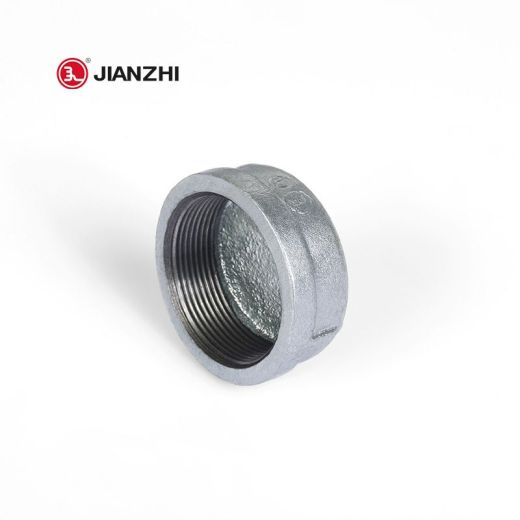
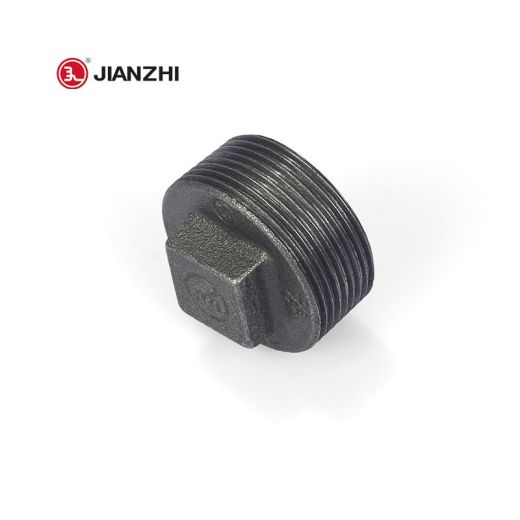
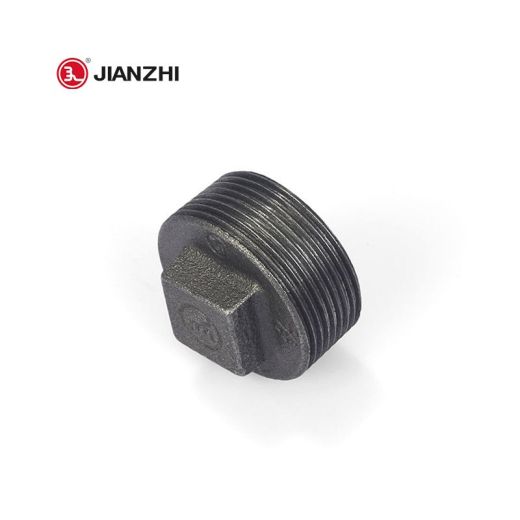
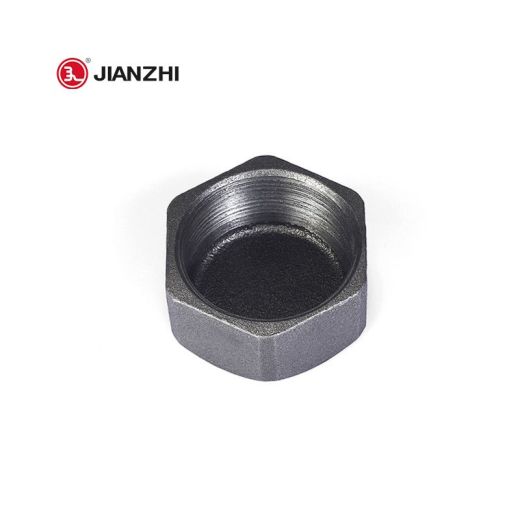
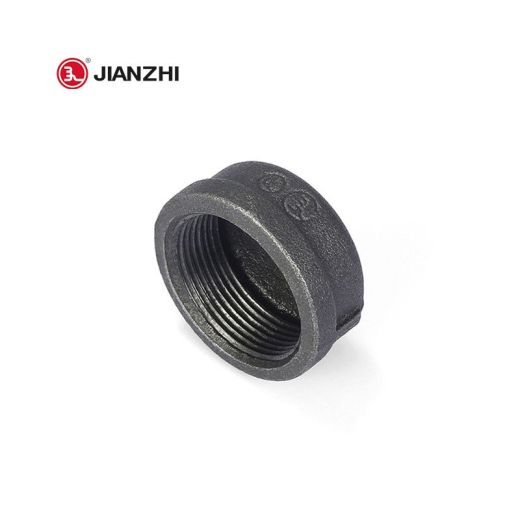
Caps and plugs are used to close the end of a pipe or fitting. A cap generally fits over the outside of a pipe, while a plug is installed into a compatible internal thread.
They are used for closing unused outlets, terminating pipe runs, or providing removable closures for maintenance purposes.
Choosing the right pipe and fitting combination is important for system reliability, installation efficiency, and long-term maintenance. Before purchasing, consider the following factors.
The fitting material should be compatible with the pipe and the conveyed medium. For example, galvanized steel piping commonly uses galvanized or otherwise compatible threaded fittings where corrosion resistance and threaded connections are required.
Material selection should also consider the operating environment, including exposure to moisture, chemicals, temperature changes, and other corrosive conditions.
Pipe and fitting sizes must be compatible. Buyers should confirm the nominal pipe size rather than relying only on outside diameter measurements.
For reducing fittings, both the inlet and outlet sizes should be clearly specified. Providing the required dimensions when requesting a quotation can help prevent incorrect product selection.
The connection method affects which fitting can be used. Common connection types include:
Threaded connections
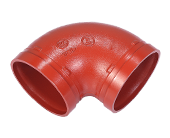
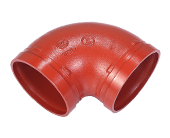
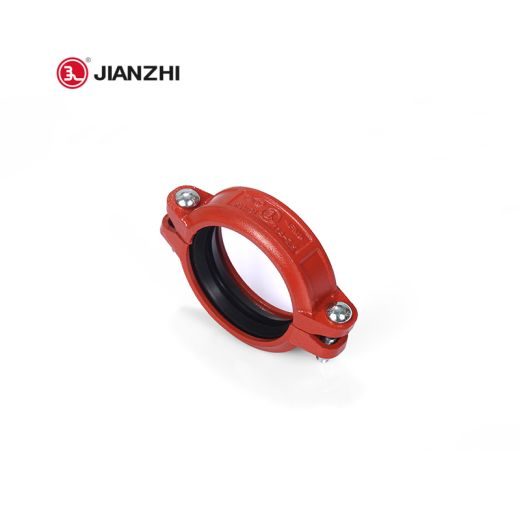
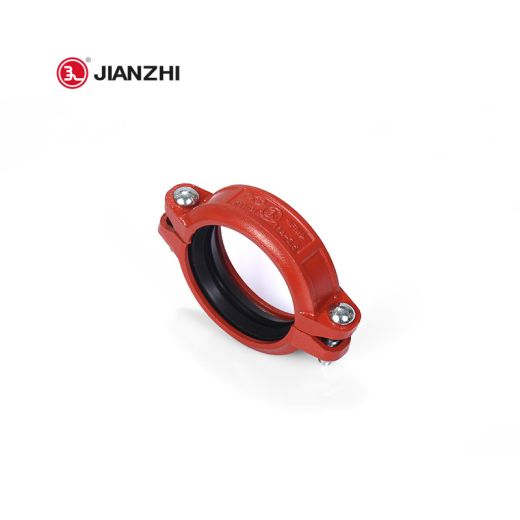
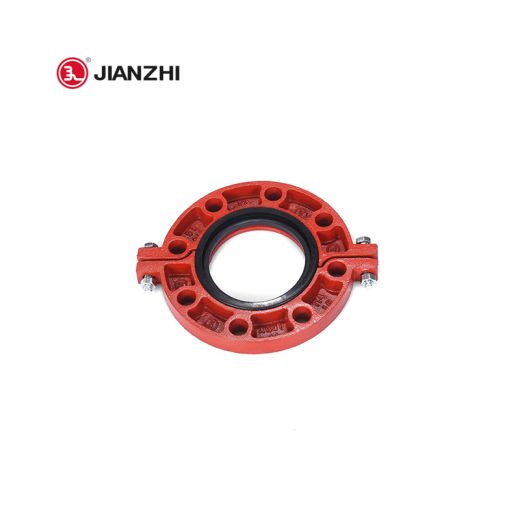
Grooved connections
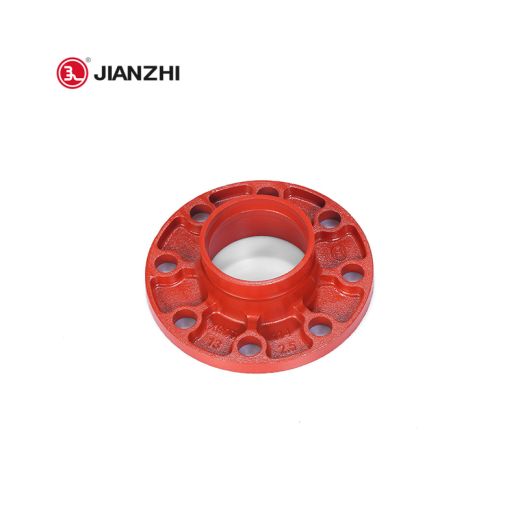
Flanged connections
Fusion connections
Compression connections
For threaded fittings, the thread standard must also be confirmed. BSP and NPT are common standards in international markets, but they have different thread profiles and should not be assumed to be interchangeable.
The fitting should be suitable for the operating pressure and temperature of the piping system. Do not select a fitting based only on its nominal size.
For industrial, gas, fire protection, and other critical applications, buyers should verify the applicable product specifications, standards, approvals, and ratings before placing an order.
The right fitting also depends on where and how the piping system will be used.
For example, plumbing, water supply, gas distribution, fire protection, compressed air, and industrial piping may have different material, coating, connection, and certification requirements.
If the fittings are being imported for a specific market, check the required standards and certifications before purchasing.
Providing the destination market, application, pipe size, connection type, and required standard to the supplier can help the manufacturer recommend a more suitable product.
Overall, each type of pipe has its unique advantages and applicability, and selecting the appropriate pipe type depends on specific application needs, budget, and environmental conditions. When selecting pipes and fittings, it is necessary to comprehensively consider the actual situation and select the most appropriate pipe type to meet the needs.
JIANZHI is a Chinese pipe fitting manufacturer with many years of experience. If you are interested in pipe fittings or have any questions, you can contact us and we will definitely give you a satisfactory and suitable service and quotation!
Products Category
Products
News
Related Information
SAFER
PRODUCT INFO
ABOUT JIANZHI
TECH DATA
Contact Us
E-mail: sales1@jianzhi-fitting.com
Tel: +86 15822792427
Office In Tianjin:
Heping District, Tianjin, China.
Production Base 1:
Chifeng, Inner Mongolia, China.
Production Base 2:
Tangshan City, Hebei Province, China.
Production Base 3:
Schelei Street,Baicoi City,Prahova County,Romania