Jan. 28, 2026
In the infrastructure landscape of 2026, the selection of piping components is a critical intersection of material science, financial strategy, and safety compliance. This guide, "Hot-Dip Galvanized vs Electro-Galvanized vs Black vs Stainless: How to Choose for Your Project," provides a comprehensive technical framework for evaluating the four primary finishes of the malleable iron pipe fitting family and their stainless steel counterparts.
By analyzing the metallurgical bond of Hot-Dip Galvanizing (HDG), the superficial nature of Electro-Galvanizing (EG), the specialized applications of Black Iron, and the extreme resilience of Stainless Steel, we establish a data-driven decision matrix for 2.5 MPa high-pressure systems. Utilizing the life-cycle formula L = h / R, the guide demonstrates how "Heavy Type" metallurgy and high-purity zinc coatings extend asset life to over 50 years, ensuring fire safety reliability and alignment with modern circular economy and ESG mandates.
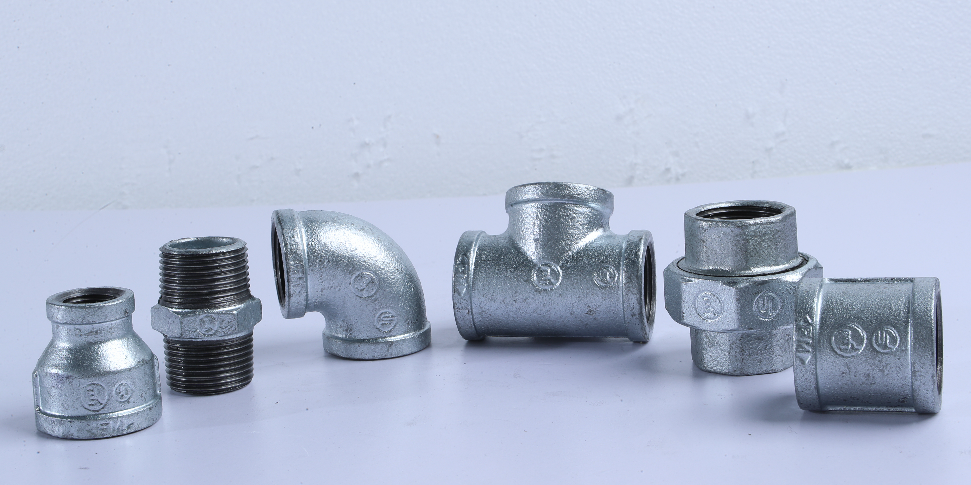
The Metallurgy of Protection: Hot-Dip Galvanizing (HDG) is the "Industrial Gold Standard" because it creates a metallurgical bond at 450°C, offering dual-sided (internal and external) protection that is essential for fire fighting pipe fitting networks.
The "Thin-Coat" Trap: Electro-Galvanized (EG) fittings are a "false economy." With a zinc thickness (h) of only 3–10 µm, they offer less than 1/10th the service life of HDG and are prone to internal "Faraday Cage" corrosion.
Specialized Routing: Black Iron is the specialist for non-corrosive media like oil, gas, and closed-loop steam, where zinc flaking or chemical instability would be a risk.
Stainless Steel (316) is reserved for "Sanitary" or high-chloride marine environments where a passive chromium-oxide layer is required for survival.
Predictive Longevity (L = h / R): Sourcing managers should demand a minimum zinc thickness of 70–100 µm to ensure a 50-year service life in standard urban environments, compared to the ~26-year limit of budget "Light Type" alternatives.
Geometric Precision: To handle 2.5 MPa pressures, all fittings must feature a CNC-machined 1:16 taper thread, ensuring a metal-to-metal wedge seal that minimizes leak paths.
Sustainability & ESG: High-quality malleable iron is 100% infinitely recyclable. Choosing durable, long-life fittings reduces the carbon footprint by eliminating frequent replacement cycles, supporting LEED v5 and Green Building goals.
Verification & Archives: Always audit batches using magnetic thickness gauges and refer to verified technical logs for annealing data and pressure test results:
1. The Chemistry of Choice: Material Fundamentals
2. Hot-Dip Galvanizing (HDG): The Industrial Gold Standard
3. Electro-Galvanized (EG): Identifying the "Thin-Coat" Trap
4. Black Pipe Fittings: The Specialist for Non-Corrosive Media
5. Stainless Steel (304/316): When Only the Best Will Do
6. The Decision Matrix: Application-Specific Routing
7. Sustainability & Circular Economy in 2026
8. Conclusion & Technical References
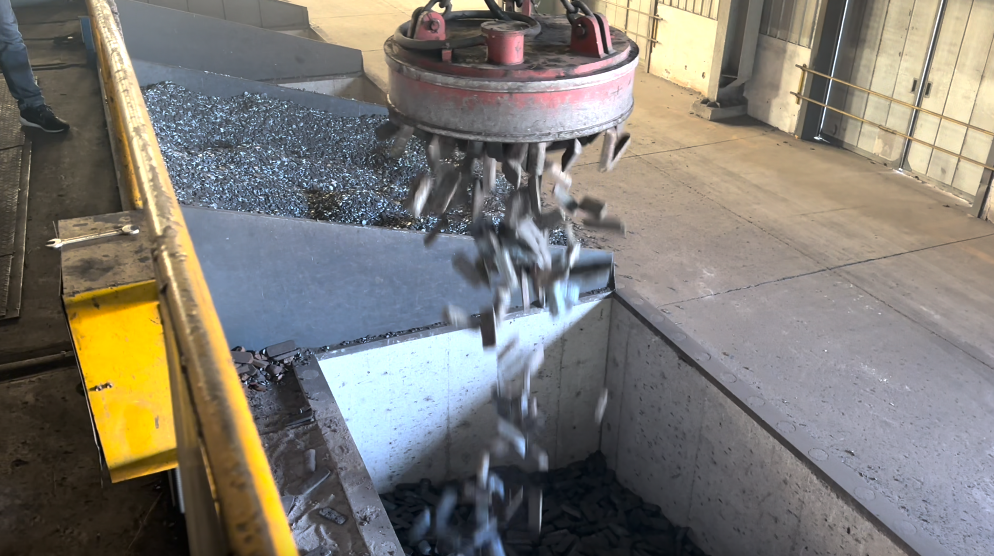
In the selection of a malleable iron pipe fitting, the decision-making process begins long before a coating is applied. It starts at the molecular level with the choice of the base substrate. In 2026, as infrastructure demands shift toward higher safety factors and longer service lives, understanding the "Chemistry of Choice" is essential for any procurement or engineering team.
Whether you are specifying a gi pipe fitting for a commercial water line or a fire fighting pipe fitting for a high-hazard industrial zone, the fundamental material properties determine how the system will respond to pressure, vibration, and time.
The two primary contenders in the modern piping market are Malleable Cast Iron and Stainless Steel. While they both serve the same mechanical purpose—connecting pipes—their chemical compositions and internal structures lead to very different performance profiles.
A Jianzhi malleable iron pipe fitting is not simply "cast iron." Standard cast iron is brittle due to its high carbon content in the form of flake graphite. To create a malleable iron pipe fitting, the raw "white iron" must undergo a sophisticated 96-hour heat-treatment process known as annealing.
During this cycle, the brittle iron carbides are transformed into "temper carbon" (graphite nodules). This change in microstructure is what gives the material its name: it becomes malleable.
Ductility: High-quality fittings achieve an elongation of 10-12%, allowing them to deform slightly rather than shatter under a sudden water hammer or seismic shift.
Internal Pressure: This ductility is the foundation of the 2.5 MPa (363 PSI) working pressure rating.
Thread Integrity: The material is soft enough to allow for a precision-machined 1:16 taper, creating a metal-to-metal wedge seal that is far more reliable than standard parallel threads.
Stainless steel (typically Grade 304 or 316) takes a different chemical approach. Its primary advantage is the inclusion of Chromium (minimum 10.5%). When exposed to oxygen, chromium forms an invisible, self-healing layer of chromium oxide on the surface.
Grade 304: Excellent for general corrosion resistance and potable water.
Grade 316: Contains Molybdenum, making it the "Chemistry of Choice" for marine environments where chloride (salt) would eat through a standard gi pipe fitting.
However, stainless steel is significantly more rigid than malleable iron. While it resists rust better than an uncoated pipe fitting, it is prone to "galling" during installation—a process where the threads lock together and seize if not properly lubricated.
At Jianzhi, the chemistry is supported by the "Heavy Type" design philosophy. The relationship between internal pressure (P), diameter (d), and wall thickness (t) is governed by the Hoop Stress formula:
Sh = (P * d) / (2 * t)
By increasing the thickness (t), we lower the stress (Sh) on the material. This extra mass is why a Jianzhi malleable iron pipe fitting is often 15-20% heavier than budget alternatives. In 2026, where high-rise buildings and industrial plants operate at higher hydraulic loads, the 2.5 MPa standard provides the necessary safety buffer to prevent catastrophic failure.
The choice of base metal dictates which finish is most effective. Malleable iron is an active metal that requires a "sacrificial" or "barrier" coating like hot-dip galvanizing to survive. Stainless steel is "passive" and requires no coating.
As we move into the following chapters, we will see why applying a "thin-coat" electro-galvanized finish to a high-quality malleable iron core is a waste of a superior substrate, and why a black finish is only appropriate when the chemistry of the transported media (like oil) naturally prevents oxidation.
For more detailed data on these material characteristics, you can consult the official Jianzhi technical archives:
Characteristics of Malleable Iron: https://www.malleableiron-pipefitting.com/industry-knowledge/characteristics-of-malleable-iron.html
Technical Support for 2.5 MPa Systems: https://www.jianzhipipefitting.com/technical-support/
When evaluating the total cost of ownership for a piping project in 2026, Hot-Dip Galvanizing (HDG) remains the unchallenged benchmark for durability. Unlike topical treatments, HDG is a thermal-chemical process that creates a permanent, metallurgical bond between the zinc and the malleable iron pipe fitting. For systems requiring 2.5 MPa reliability—particularly in municipal water grids and fire fighting pipe fitting networks—HDG is the only finish that offers predictable, multi-decade protection.
The "Gold Standard" status of HDG stems from the intensity of its application. At the Jianzhi foundry, the process begins with an exhaustive cleaning and fluxing stage, followed by full immersion into a bath of molten zinc at approximately 450°C (842°F).
At this extreme temperature, a reaction occurs between the iron and the zinc known as interdiffusion. This isn't a layer of "paint" sitting on the surface; the zinc atoms actually migrate into the iron surface to form a series of intermetallic alloy layers.
These layers include the Gamma, Delta, and Zeta phases, which are iron-zinc alloys that are actually harder than the base malleable iron itself. On top of these lies the Eta phase, a layer of pure zinc. This multi-layered structure provides exceptional resistance to abrasion and mechanical damage during transit and installation.
2.2 Calculating Longevity: The L = h / R Equation
One of the greatest advantages of a high-quality gi pipe fitting is that its service life is mathematically predictable. In 2026, engineers use a standardized linear equation to determine the "Time to First Maintenance":
L = h / R
L (Life): The expected service life in years.
h (Thickness): The thickness of the zinc coating in micrometers (μm).
R (Rate): The annual corrosion rate of the specific environment (μm/year).
Jianzhi’s "Heavy Type" fittings are engineered to achieve an "h" value of 70 μm to 100 μm. In a standard urban or commercial environment where the corrosion rate (R) is approximately 1.5 μm/year, the calculation is clear:
100 / 1.5 = 66.6 years
By contrast, many budget suppliers provide fittings with only 40 μm of zinc. Applying the same formula (40 / 1.5 = 26.6 years), you can see that choosing a Jianzhi fitting effectively doubles the system's lifespan for a marginal increase in initial cost. This data-driven approach allows procurement managers to justify the "Gold Standard" as a long-term capital saving.
The chemistry of the zinc bath is the "hidden" variable in the L = h / R equation. Budget foundries often use recycled zinc that contains high levels of lead, iron, or other impurities. This results in a "dross-heavy" coating that is brittle and prone to cracking.
Jianzhi utilizes 99.99% high-purity zinc. This purity is critical because it ensures that the outer Eta layer remains ductile. When a contractor applies a heavy pipe wrench to a Jianzhi galvanized pipe fitting, the zinc compresses and yields without shattering. This prevents the formation of micro-fissures that would otherwise allow moisture to reach the iron core, triggering premature rust.
For a fire fighting pipe fitting, internal corrosion is a life-safety risk. If a pipe fitting develops internal rust scales (tubercles), those scales can break off when the fire pumps activate, potentially clogging the tiny orifices of sprinkler heads.
Because HDG is a liquid immersion process, the molten zinc flows into every internal thread and waterway. This provides a uniform 70 μm barrier on the inside, ensuring that the waterway remains smooth and clear for decades. This internal protection is the primary reason why HDG is the mandatory standard for certified fire suppression networks globally.
The success of the HDG process is inextricably linked to the design of the fitting itself. A "Heavy Type" malleable iron pipe fitting possesses the thermal mass required to withstand the 450°C bath without warping.
In thinner, "Light Type" fittings, the sudden thermal load can distort the precision-machined 1:16 taper threads. Jianzhi’s commitment to extra wall thickness ensures that after the galvanizing process is complete, the threads remain perfectly geometric, allowing for a metal-to-metal wedge seal that can safely hold 2.5 MPa of pressure without leaking.
Bonding: Metallurgical (becomes part of the iron).
Thickness (h): 70–100 μm (2x the industry average).
Protection: Dual-sided (internal and external coverage).
Lifespan: 50+ years in typical environments.
By specifying Hot-Dip Galvanizing, project managers move from being "purchasers" to "lifecycle strategists," ensuring that the gi pipe fitting inventory they provide today remains a silent, rust-free guardian for the next half-century.
While Hot-Dip Galvanizing represents the industrial pinnacle of protection, the 2026 market is flooded with a deceptive alternative: Electro-Galvanizing (EG), frequently marketed as "Cold Galvanizing" or "Bright GI." For a procurement manager or project engineer, mistaking an EG fitting for a high-quality gi pipe fitting is a critical error that can compromise the safety and longevity of a 2.5 MPa system.
In this section, we will dissect the "Thin-Coat" trap—why it exists, why it fails in industrial environments, and how the "shiny" finish is often a warning sign for professionals.
Unlike the thermal-chemical marriage of the hot-dip process, electro-galvanizing is a cold electrolytic deposition. The malleable iron pipe fitting is submerged in a chemical electrolyte solution, and an electric current is used to migrate zinc ions from an anode to the surface of the fitting (the cathode).
Because this process occurs at room temperature, there is no interdiffusion of atoms and no creation of iron-zinc alloy layers. Instead, a layer of pure zinc is physically "plated" onto the surface. Without the metallurgical bond found in HDG, this coating remains a separate skin. Under the mechanical stress of installation—such as the high torque required to engage a 1:16 taper thread—this thin skin can easily flake or peel, leaving the raw iron underneath immediately vulnerable to oxidation.
The most damning evidence against electro-galvanizing in heavy-duty piping is the measurement of coating thickness (h). In 2026, where project lifecycles are expected to reach 50 years, the math simply does not support EG fittings.
Hot-Dip (HDG): Typically yields a thickness of 70 μm to 100 μm.
Electro-Galvanized (EG): Usually yields a thickness of only 3 μm to 10 μm.
When we apply the service life formula L = h / R, the "Thin-Coat" trap becomes a mathematical certainty. In a moderately corrosive urban environment where the annual corrosion rate (R) is 1.5 μm/year:
Jianzhi HDG Fitting: 100 / 1.5 = 66.6 years of service life.
Generic EG Fitting: 5 / 1.5 = 3.3 years of service life.
An electro-galvanized fitting is essentially a "temporary" solution being sold into permanent infrastructure. For any fire fighting pipe fitting system buried behind walls or in high-ceiling warehouses, a 3-year failure rate is a financial and safety catastrophe.
In industrial piping, the interior of the fitting is arguably more important than the exterior. This is where the "Faraday Cage" effect makes electro-galvanizing particularly dangerous. In an electrolytic bath, the electric current follows the path of least resistance, which is the exterior surface.
As a result, the internal threads and the deep internal waterways of a malleable iron pipe fitting receive very little current and, consequently, almost no zinc coating.
In a fire fighting pipe fitting application, this is a hidden killer. While the outside of the fitting may look shiny and pristine, the interior can be rusting rapidly. This internal rust creates "tubercles" (scale) that can break off during a fire event, potentially clogging the sprinkler nozzles exactly when they are needed most. Hot-dip galvanizing, as a liquid immersion process, ensures that the molten zinc flows into every crevice, providing a uniform 70 μm barrier inside and out.
One of the easiest ways for a sourcing manager to avoid the trap is a simple visual audit of the inventory:
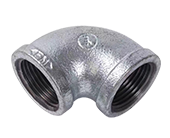
Hot-Dip (The Standard): Features a dull, matte gray, or ruggedly "spangled" finish. It looks like a heavy-duty industrial part.
Electro-Plated (The Trap): Is extremely shiny, silvery, and smooth. It looks like decorative chrome or a kitchen fixture.
Furthermore, because Jianzhi produces "Heavy Type" fittings, there is a significant weight difference. An EG fitting is often paired with a "Light Type" thin-walled body to save on shipping costs. When held side-by-side, a Jianzhi gi pipe fitting will feel substantially more massive, providing the "corrosion allowance" that thin EG fittings lack.
The primary driver for the electro-galvanized market is cost. They use significantly less zinc, less energy, and can be produced at high speed. However, the cost of the fitting itself usually represents less than 5% of the total installation labor cost of a 2.5 MPa system.
If an EG fitting fails in 4 years, the cost to shut down the facility, drain the pipes, and replace the joint is 100 times the initial "savings." At Jianzhi, we emphasize that a high-quality galvanized pipe fitting is an insurance policy. By paying a marginal premium for HDG, you are preventing an inevitable and expensive system failure.
Feature | Hot-Dip (Jianzhi Standard) | Electro-Galvanized (Trap) |
Bond Type | Metallurgical (Alloy) | Physical (Adhesion) |
Thickness (h) | 70 - 100 μm | 3 - 10 μm |
Internal Protection | Full (Immersion) | Poor (Faraday Effect) |
Mechanical Grip | Absorbs Torque | Prone to Flaking |
Typical Life (L) | 50+ Years | 2 - 5 Years |
By rejecting the "Thin-Coat" trap and insisting on verified hot-dip gi pipe fitting supplies, sourcing managers ensure that their projects are built to last for decades, not just until the first inspection.
While the debate between Hot-Dip and Electro-galvanizing focuses on protection against moisture, there is a distinct category of the malleable iron pipe fitting family that intentionally foregoes zinc altogether. Black Pipe Fittings, often referred to simply as "Black Iron," are the essential specialists for systems where corrosion is managed through the chemistry of the media itself rather than a sacrificial coating. In a 2.5 MPa high-pressure environment, choosing Black Iron is not a cost-saving shortcut; it is a technical decision based on the specific fluids being transported.
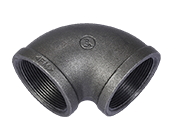
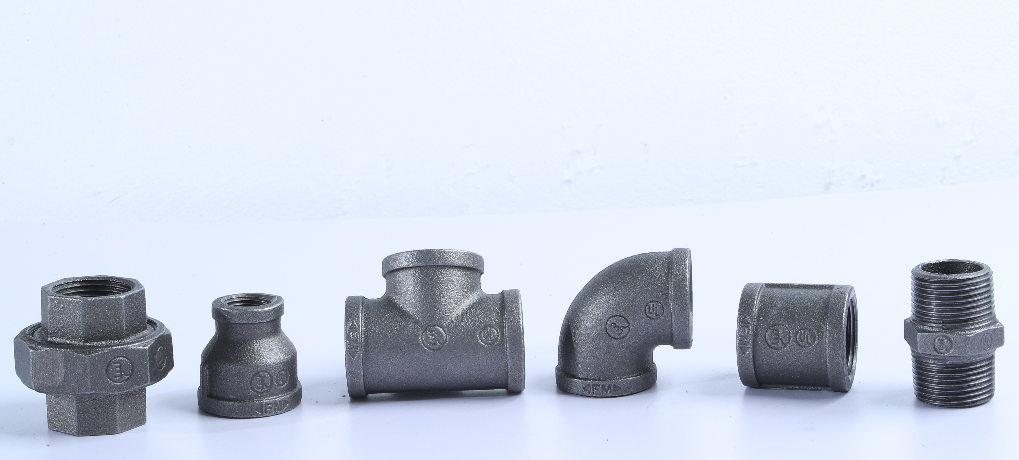
The term "Black Iron" refers to a malleable iron pipe fitting that has been annealed but not galvanized. The dark, blackish appearance is the result of iron oxide (mill scale) formed on the surface during the high-temperature manufacturing process. In the Jianzhi production line, these fittings undergo the same rigorous 96-hour annealing cycle as their galvanized cousins, ensuring a 10–12% elongation rate and a structural integrity capable of handling 2.5 MPa loads.
The primary application for Black Iron is in the transport of petroleum products, such as oil, diesel, and natural gas. In these systems, a gi pipe fitting is actually avoided for chemical reasons. Crude oils and various gases can react with zinc, causing the galvanized coating to flake off into the fluid stream. These microscopic zinc flakes can travel downstream and clog fuel injectors, sensors, or sensitive valves in an industrial engine or boiler system.
In an oil line, the media itself acts as a natural inhibitor. Oil is non-corrosive to iron and naturally coats the internal walls of the pipe fitting, creating a hydrophobic barrier that prevents oxygen and moisture from reaching the metal. Therefore, a Black Iron malleable iron pipe fitting in an oil system can last as long as a galvanized fitting in a water system, provided the exterior is painted or protected from the elements.
In 2026, high-efficiency HVAC and steam systems continue to rely heavily on Black Iron. In a "closed-loop" heating system, the water is treated to remove dissolved oxygen. Without oxygen, the chemical reaction of oxidation (rust) cannot occur.
If Black Iron is used in a water system, the corrosion rate (R) is extremely high. Applying our life-cycle logic:
Rate (R) in Oxygenated Water: Can exceed 15.0 μm / year.
Coating (h): 0 μm.
Result: Rapid internal pitting and "tuberculation."
Within months, a Black Iron fitting in a water system will develop internal rust nodules that restrict flow and eventually eat through the wall of the fitting, causing a failure well before the 2.5 MPa pressure limit is ever reached. This is why Black Iron should strictly be reserved for non-corrosive, oxygen-depleted media.
Because Black Iron fittings are frequently used in gas and high-pressure steam lines, thread precision is paramount. A leak in a gas line is far more hazardous than a leak in a water line.
Jianzhi Black Iron fittings feature the same CNC-machined 1:16 taper threads as our galvanized products. This geometry is designed to create a "pressure-tight" seal by mechanically wedging the male and female threads together. In a Black Iron system, the absence of a zinc layer actually allows for a more "metal-on-metal" contact, which, when paired with a high-quality pipe sealant, ensures that gas-tight integrity is maintained even at the upper limits of the 2.5 MPa rating.
Media Type | Recommended Fitting | Why? |
Natural Gas / LPG | Black Iron | Zinc flaking risks; gas is non-corrosive to iron. |
Fuel Oil / Diesel | Black Iron | Oil naturally protects the iron; avoids chemical reactions with zinc. |
High-Temp Steam | Black Iron | Zinc stability issues above 60°C. |
Potable Water | Hot-Dip Galvanized | Zinc protects against oxidation and minerals. |
Fire Sprinklers | Hot-Dip Galvanized | Prevents internal rust scaling that clogs nozzles. |
In summary, Black Iron is the elite choice for the specialist environments of energy and thermal transport. By understanding the chemistry of the media, sourcing managers can select the most efficient malleable iron pipe fitting for the job, ensuring system longevity without paying for unnecessary galvanization where it isn't chemically appropriate.
In the hierarchy of fluid management, if a gi pipe fitting is the reliable workhorse, then Stainless Steel is the specialized elite. There are environments where even the most robust malleable iron pipe fitting will eventually yield to the relentless chemistry of its surroundings. In 2026, for high-purity pharmaceutical lines, corrosive chemical processing, or luxury maritime infrastructure, Stainless Steel is the "Chemistry of Choice" when the cost of failure far outweighs the premium of the material.
The fundamental difference between a galvanized pipe fitting and Stainless Steel lies in how they handle oxygen. While zinc "sacrifices" itself to protect iron, Stainless Steel uses a "passive" strategy. By alloying iron with a minimum of 10.5% Chromium, the metal creates an instantaneous, microscopic layer of Chromium Oxide on its surface.
This layer is unique because it is self-healing. If the surface is scratched or abraded, the Chromium reacts with ambient oxygen to reform the shield immediately. This eliminates the need for any topical coating, making the fitting inherently corrosion-resistant throughout its entire cross-section.
In the 2026 industrial market, two grades dominate the landscape, and choosing between them is critical for project ROI:
Grade 304 (The Generalist): Composed of approximately 18% Chromium and 8% Nickel. It is the standard for potable water, food processing, and indoor architectural applications. It offers excellent resistance to oxidizing acids but can struggle in high-salinity environments.
Grade 316 (The Marine Specialist): The addition of 2% to 3% Molybdenum is the "secret ingredient" here. Molybdenum provides specific resistance to "pitting corrosion" caused by chlorides (salts). If your project is within five miles of the ocean or involves concentrated chemical cleaners, 316 is the mandatory standard to prevent rapid localized failure.
A common misconception is that Stainless Steel is "stronger" than malleable iron in every category. While Stainless has higher tensile strength, it lacks the 10–12% elongation (ductility) found in a Jianzhi malleable iron pipe fitting.
Stainless Steel is significantly more rigid and harder to machine. This hardness introduces the risk of galling (thread seizing). During the assembly of a 2.5 MPa system, the friction between the male and female stainless threads can cause them to cold-weld together before the joint is fully tightened. To prevent this, installers must use specialized anti-seize lubricants, a step often unnecessary with the naturally "greasier" surface of a gi pipe fitting.
One area where a galvanized pipe fitting cannot compete is in "Sanitary" environments. Because zinc is a heavy metal, it is not suitable for high-concentration acids or ultra-pure pharmaceutical water. Stainless Steel is non-reactive and does not leach minerals into the fluid stream. Its smooth internal surface—often polished to a specific "Ra" (Roughness Average)—prevents the buildup of biofilms and bacteria, making it the only choice for modern biotech and food-grade infrastructure.
The primary barrier to Stainless Steel is cost. Typically, a Grade 316 fitting can be 4 to 6 times more expensive than a Jianzhi "Heavy Type" gi pipe fitting. However, a professional procurement manager evaluates the Total Cost of Ownership (TCO).
If a fire fighting pipe fitting made of galvanized iron in a coastal pump room requires replacement every 12 years due to salt-spray corrosion, the labor and downtime costs will eventually eclipse the price of a one-time Stainless Steel installation. Stainless Steel should be viewed as a "life-of-building" investment.
Feature | Stainless Steel (316) | Hot-Dip Galvanized (HDG) |
Corrosion Mechanism | Passive (Chromium Oxide) | Sacrificial (Zinc) |
Max Pressure | 2.5 MPa and above | 2.5 MPa (Heavy Type) |
Chemical Resistance | Extreme (Acids/Chlorides) | Moderate (Water/Air) |
Thread Galling Risk | High (Requires Lubricant) | Low (Self-Lubricating) |
Best Application | Marine/Sanitary/Chemical | Fire Safety/Water/Industrial Air |
You should choose Stainless Steel when:
1. The media is highly acidic or contains high chloride levels.
2. The system requires "Sanitary" certification (Food/Drug/Potable Water).
3. The cost of future access for maintenance is prohibitive (e.g., inside a sealed concrete structure).
4. The project is located in a Grade C5 (Highly Corrosive) maritime environment.
For standard industrial applications where 2.5 MPa reliability is needed without the "Stainless Premium," the Jianzhi malleable iron pipe fitting with hot-dip galvanization remains the most cost-effective, high-performance solution.
Selecting the right malleable iron pipe fitting or stainless alternative is not merely a matter of material preference; it is a strategic engineering decision that must align with the media, the environment, and the budget. In 2026, the "Decision Matrix" serves as a roadmap for procurement managers and MEP engineers to ensure that every gi pipe fitting or black iron joint is fit for its specific purpose.
To achieve a 2.5 MPa safety rating, one must balance the chemical properties of the transported fluid with the external atmospheric conditions. This section provides a localized routing strategy for the most common industrial and commercial applications.
In fire suppression systems, reliability is the only metric that matters. A fire fighting pipe fitting must remain dormant for years and then perform perfectly under high pressure in seconds.
Primary Choice: Hot-Dip Galvanized (HDG).
Routing Logic: HDG is the global standard because it prevents internal "tuberculation"—the growth of rust nodules that can break loose and clog sensitive sprinkler heads.
Constraint: Never use Electro-Galvanized (EG) or Black Iron in wet-pipe fire systems. Black iron will corrode internally, leading to "pinhole" leaks, while EG's thin coating offers no internal protection against stagnant water.
Heating, Ventilation, and Air Conditioning (HVAC) systems often utilize "closed-loop" cycles where the water is chemically treated to remove oxygen.
Primary Choice: Black Pipe Fittings.
Routing Logic: Since oxygen is excluded from the system, the iron will not rust. Black iron is more cost-effective and avoids the risk of "galvanic reversal" that can occur with zinc coatings at temperatures above 60°C.
Constraint: If the system is "open-loop" (e.g., a cooling tower exposed to the atmosphere), you must upgrade to Hot-Dip Galvanized to handle the constant influx of oxygenated water.
Fuel and gas transport requires a different set of chemical considerations.
Primary Choice: Black Pipe Fittings (for Oil/Gas) or HDG (for Compressed Air).
Routing Logic: For natural gas and diesel, Black Iron is preferred because zinc can react with certain fuel additives and flake off, damaging downstream engines. For compressed air, HDG is superior because it prevents internal moisture from creating rust flakes that could damage pneumatic tools.
2.5 MPa Requirement: Ensure all fittings utilize the 1:16 taper thread to prevent microscopic gas leaks.
When the environment contains high levels of salt (Chlorides) or the media is highly acidic, standard iron-based solutions reach their limit.
Primary Choice: Stainless Steel (Grade 316).
Routing Logic: If a project is within 5km of the coast, the annual corrosion rate (R) is too high for a standard gi pipe fitting to reach a 50-year life. Grade 316 Stainless Steel, with its molybdenum content, is the only material that can reliably withstand chloride pitting.
Constraint: Grade 304 is often insufficient for salt-air environments; always specify 316 for maritime infrastructure.
The following table summarizes the routing logic for quick procurement reference:
Application | Media | Environment | Recommended Fitting | Why? |
Fire Sprinklers | Water | Indoor/Outdoor | Hot-Dip Galvanized | Prevents nozzle clogging. |
Natural Gas | LPG/LNG | Any | Black Iron | Prevents zinc-media reaction. |
Potable Water | Drinking Water | Indoor | Stainless (304) | Sanitary and Lead-Free. |
Industrial Air | Compressed Air | Factory | Hot-Dip Galvanized | Prevents internal rust flakes. |
Steam Lines | High-Temp Steam | Industrial | Black Iron | Thermal stability; no zinc. |
Coastal Plumbing | Water/Brine | Marine (C5) | Stainless (316) | Maximum pitting resistance. |
The following table summarizes the routing logic for quick procurement reference:
One of the most common mistakes in the 2026 market is "over-engineering" or "under-specifying" to meet a budget.
Under-Specifying: Using Electro-Galvanized where HDG is required. The 3.3 year life expectancy of EG in an HDG environment creates a massive maintenance liability.
Over-Engineering: Using Stainless Steel for a standard indoor fire system. While "safer," it wastes capital that could be better spent on higher-grade valves or sensors.
By following this matrix, you ensure that the malleable iron pipe fitting you source is perfectly matched to its chemical and physical stress. For technical logs on specific pressure tests and material compatibility, refer to the verified archives at jianzhipipefitting.com or malleableiron-pipefitting.com.
In 2026, the global industrial sector has moved beyond viewing a malleable iron pipe fitting simply as a mechanical component. It is now scrutinized through the lens of ESG (Environmental, Social, and Governance) frameworks and the Circular Economy. For procurement managers and project developers, sustainability is no longer a "nice-to-have" feature; it is a regulatory mandate. Whether you are sourcing a gi pipe fitting for a green building or a fire fighting pipe fitting for a sustainable factory, the material choice has profound implications for a project’s carbon footprint and resource efficiency.
The most significant environmental impact of a piping system occurs during the extraction and smelting of raw materials. Therefore, the "greenest" pipe fitting is the one that never needs to be replaced.
In the circular economy, we prioritize the "Slow Loop"—extending the life of products to the absolute maximum. Applying the formula L = h / R, we can see that a Jianzhi "Heavy Type" galvanized pipe fitting with a 100 μm zinc coating is a sustainable choice because it prevents the energy-intensive cycle of replacement.
If a budget Electro-Galvanized (EG) fitting fails in 4 years, the project must endure the carbon cost of manufacturing, shipping, and installing a new part every few years. By contrast, a hot-dip gi pipe fitting that lasts 50 years eliminates over 10 replacement cycles, reducing the total embodied carbon of the building’s lifecycle by over 80% in that specific category.
Malleable iron is a champion of the circular economy because it is inherently and infinitely recyclable. Unlike composite or plastic piping (which often ends up in landfills due to multi-layer contamination), a malleable iron pipe fitting can be melted down at the end of its 50-year life and recast into a new component without any loss in mechanical properties.
At Jianzhi, the production process reflects this circularity. Scrap iron from the machining process is fed back into the induction furnaces, creating a "closed-loop" manufacturing environment. By 2026, the use of electric induction melting rather than traditional coal-fired cupola furnaces has reduced the direct CO2 emissions of malleable iron production by nearly 40%.
The environmental impact of galvanization is often misunderstood. While zinc is a heavy metal, it is also a naturally occurring element essential to biological life. The Jianzhi mandate for 99.99% high-purity zinc is not only a quality standard but an environmental one.
Lower-grade zinc often contains Lead (P b) or Cadmium (C d) as impurities. These toxic elements can leach into the soil or water supply over decades of corrosion. By using high-purity zinc, we ensure that the runoff from a gi pipe fitting is non-toxic. Furthermore, modern hot-dip plants in 2026 utilize sophisticated "closed-kettle" technology that captures 99% of the zinc fumes and particulates, preventing atmospheric pollution.
For projects aiming for LEED v5 or BREEAM certification, the documentation provided by the manufacturer is critical. A malleable iron pipe fitting contributes to "Materials and Resources" (MR) credits through:
Environmental Product Declarations (EPDs): Providing transparent data on the global warming potential (GWP) of each fitting.
Material Ingredient Reporting: Confirming that the hot-dip galvanizing process does not utilize restricted chemicals under REACH or RoHS standards.
In 2026, the piping industry has seen a significant shift away from plastic (PVC/CPVC) and toward metal due to the global microplastic crisis. While plastic fittings are lighter, they degrade under UV exposure and can leach microplastics into the water table or the internal fluid stream.
A malleable iron pipe fitting provides a permanent, stable solution. It does not degrade under UV light, it does not off-gas volatile organic compounds (VOCs), and it remains structurally sound in temperatures that would cause plastic to melt or become brittle. In a fire fighting pipe fitting application, this thermal stability is also a safety-sustainability crossover: iron fittings do not release toxic smoke during a fire, unlike many synthetic alternatives.
Sustainability Metric | Jianzhi Malleable Iron (HDG) | Plastic / PVC Alternatives |
Service Life | 50+ Years (L = h/R) | 15–20 Years (UV degradation) |
Recyclability | 100% Infinite | Low / Difficult to separate |
Carbon Impact | High Initial / Low Lifecycle | Low Initial / High Replacement |
Toxicity | Lead-Free High Purity Zinc | Risks of microplastics/VOCs |
Fire Performance | Non-combustible / No toxic smoke | Combustible / Toxic fumes |
Sustainable procurement in 2026 is about choosing "Quality Once." By investing in a "Heavy Type" gi pipe fitting, you are fulfilling the core tenets of the circular economy: Reduce (the frequency of replacement), Reuse (through long-term asset life), and Recycle (at end-of-life).
As we look toward the final section of this guide, remember that a decision for Jianzhi is not just a decision for 2.5 MPa pressure safety—it is a commitment to an infrastructure that respects the resources of the future as much as the needs of the present.
To ensure 2.5 MPa reliability and 50-year durability, the choice of a malleable iron pipe fitting should be guided by three non-negotiable pillars:
1. Chemical Matching: Align the finish with the media. Use Black Iron for oil/gas/steam, HDG for water/fire/air, and Stainless Steel for high-salinity or high-purity environments.
2. The Thickness Standard: Avoid the "Thin-Coat" trap of Electro-Galvanizing. Use the L = h / R formula to demand a minimum coating thickness (h) of 70–100 µm for industrial applications.
3. Metallurgical Integrity: Prioritize "Heavy Type" designs that undergo a full 96-hour annealing cycle. This ensures the ductility (10–12% elongation) necessary to withstand hydraulic shocks and thermal expansion.
By adhering to these principles, procurement teams move beyond the "False Economy" of cheap fittings, instead securing assets that provide a lower Total Cost of Ownership (TCO) and align with modern ESG mandates.
The technical data and engineering claims made in this article are supported by the following international standards and proprietary technical archives. We recommend referencing these for tender specifications and quality audits.
ISO 1461:2022 – Hot dip galvanized coatings on fabricated iron and steel articles. The global reference for verifying zinc coating thickness and metallurgical bonding. URL: https://www.iso.org/standard/74024.html
ASME B16.3-2021 – Malleable Iron Threaded Fittings: Classes 150 and 300. Defines the dimensions, pressure ratings, and wall thickness for heavy-duty fittings. URL: https://www.asme.org/codes-standards/b16-3
ISO 9223:2012 – Corrosion of metals and alloys — Corrosivity of atmospheres. The basis for calculating the annual corrosion rate (R) in your specific project location. URL: https://www.iso.org/standard/53499.html
ASTM A153/A153M – Standard Specification for Zinc Coating (Hot-Dip) on Iron and Steel Hardware. Essential for fire fighting pipe fitting quality assurance. URL: https://www.astm.org/a0153_a0153m-16a.html
UL 213 / FM 1112 – The primary safety certifications for fittings in fire suppression networks. URL: https://www.fmapprovals.com/approval-standard-1112
Jianzhi Pipe Fittings Selection Guide (2022-2026): Contains detailed data on the selection of Class 150/300 fittings and the 100% air-under-water testing protocol. URL:https://www.jianzhipipefitting.com/2022/09/15/malleable-fittings-selection-guide/
Characteristics of Malleable Iron Database: A technical repository for annealing logs, microstructure analysis, and the chemical properties of "Heavy Type" iron. URL:https://www.malleableiron-pipefitting.com/industry-knowledge/characteristics-of-malleable-iron.html
Global Standards Compliance Archive: A breakdown of how Jianzhi products meet localized standards (NPT, BSPT, DIN) while maintaining a universal quality baseline. URL: https://www.malleableiron-pipefitting.com/malleable-iron-pipe-fittings/
In 2026, the "best" fitting is no longer the cheapest one on the invoice, but the one that ensures the system never stops running. By choosing a Jianzhi gi pipe fitting with verified Hot-Dip Galvanizing, you are choosing an engineering solution that is as reliable as the physics it is built upon.
SAFER
PRODUCT INFO
ABOUT JIANZHI
TECH DATA
Contact Us
E-mail: sales1@jianzhi-fitting.com
Tel: +86 15822792427
Office In Tianjin:
Heping District, Tianjin, China.
Production Base 1:
Chifeng, Inner Mongolia, China.
Production Base 2:
Tangshan City, Hebei Province, China.
Production Base 3:
Schelei Street,Baicoi City,Prahova County,Romania